NASA commissions new 34-metre antenna to boost deep space communications
The new Deep Space Station 23 at the Goldstone complex marks a significant step in modernising the network, supporting over 40 spacecraft with advanced beam-waveguide technology.
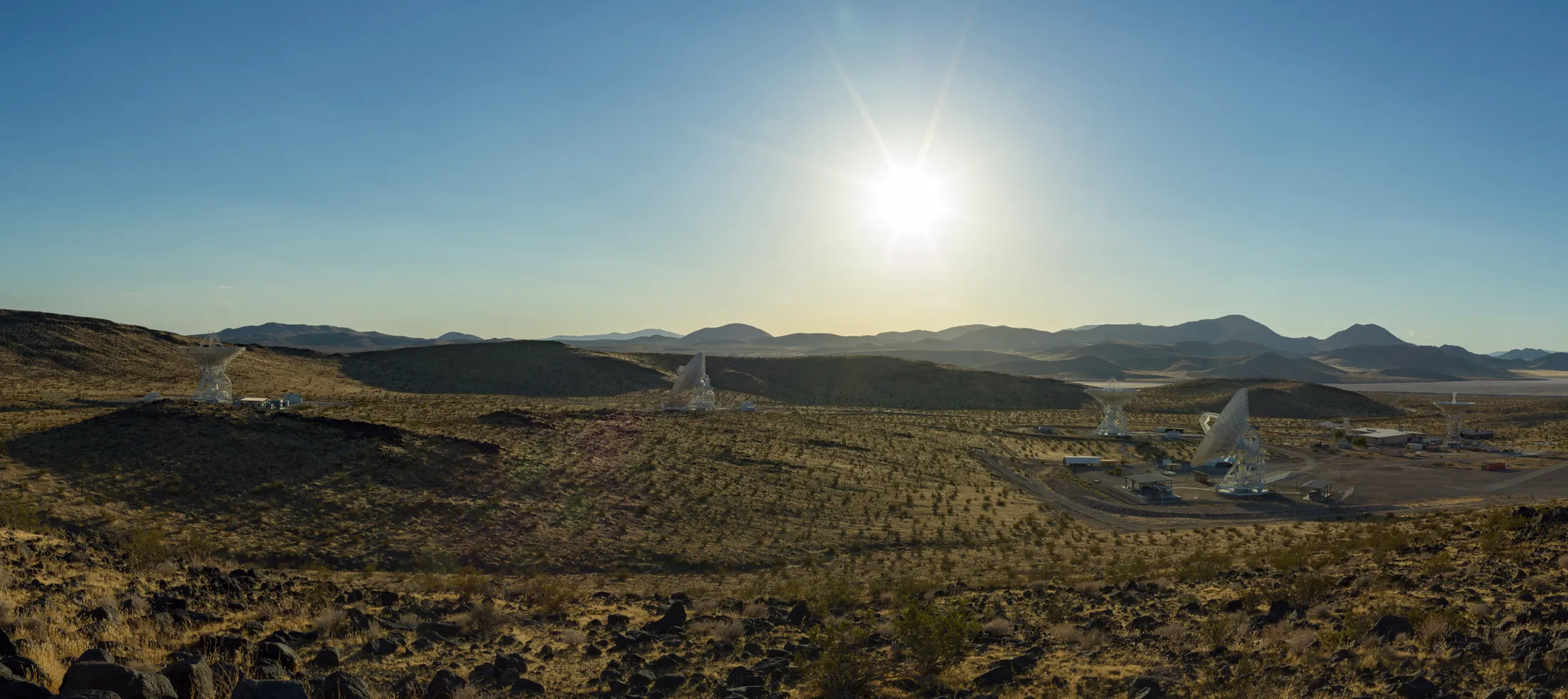
NASA has commissioned a new 34-metre-wide radio frequency antenna, designated Deep Space Station 23 (DSS-23), at the Goldstone Deep Space Communications Complex in California. Managed by the Jet Propulsion Laboratory (JPL), the station began operations on 3 August 2026 following a testing campaign conducted from May to July. Its initial tracking target was the Chandra X-ray Observatory, though it has since established communication links with dozens of other robotic spacecraft, including the Mars Reconnaissance Orbiter, Psyche, Juno, and Voyager 1.
The addition of DSS-23 is part of the Aperture Enhancement Project, a long-term initiative that began in 2009 to upgrade and expand the Deep Space Network. The project aims to install six new 34-metre multifrequency beam-waveguide antennas across the network’s three global facilities: Goldstone, Madrid, and Canberra. DSS-23 is the fifth antenna added under this programme and the fifth such antenna at the Goldstone facility, joining three existing 34-metre dishes and one 70-metre antenna.
A key feature of the new station is its beam-waveguide design. Unlike traditional antennas that house sensitive electronic equipment on the moving dish, this technology directs signals down to a stable, climate-controlled underground room. This arrangement allows for easier access for maintenance and upgrades, reducing the complexity of servicing the system while maintaining high precision.
Construction of the antenna began in February 2020. The 133-ton metal reflector framework was installed in December 2024, after which engineers attached the panels that reflect radio frequency signals. The final phase involved a rigorous calibration process to ensure the new station could operate in concert with the rest of the network. According to JPL, the primary challenge was integrating the complex collection of mechanical, electrical, and software systems into a single, mission-ready asset.
The Deep Space Network supports more than 40 spacecraft exploring the solar system and interstellar space. The new 34-metre antennas can be arrayed together to provide a communications backup equivalent to the single 70-metre antennas at each facility. These larger 70-metre dishes, which have operated for more than 50 years, are becoming increasingly costly to maintain and repair.
The Aperture Enhancement Project is scheduled for completion in 2029, when Deep Space Station 33 comes online at the Canberra facility in Australia. This final addition will bring the total number of 34-metre antennas across the network to 13, modernising the infrastructure that supports NASA’s current and future exploration goals.