NASA invites public to help identify artefacts in space-telescope data
Artifact InSPECtor will use volunteer observations to improve artificial-intelligence tools working with data from Euclid and, from early 2027, NASA’s Nancy Grace Roman Space Telescope.
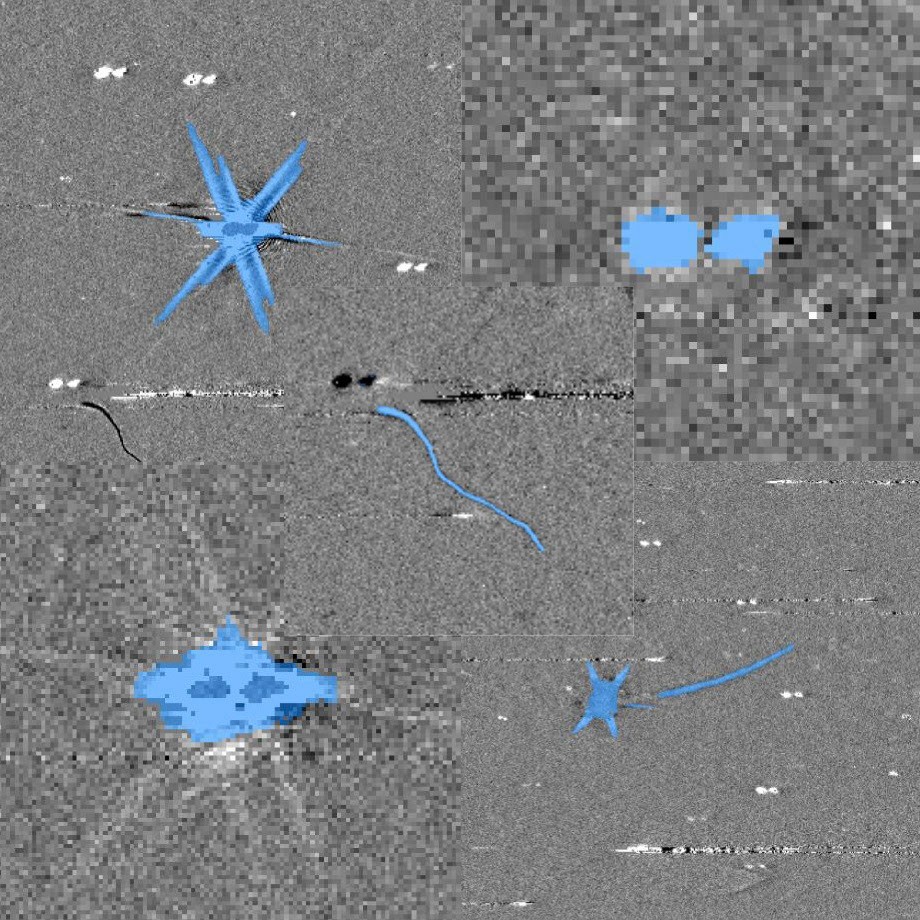
NASA has launched Artifact InSPECtor, a citizen-science project inviting volunteers of all ages to identify artefacts in space-telescope data. The project is designed to help improve artificial-intelligence tools that distinguish likely artefacts from genuine astronomical signals.
Volunteers can begin by examining data from the Euclid space telescope, an ESA mission with critical contributions from NASA. Data from NASA’s Nancy Grace Roman Space Telescope is expected to be added from early 2027, although no precise date has been given.
Artefacts are signals produced by sources other than astronomical objects. They can result from cosmic rays striking a detector, reflected light, characteristics of a camera, electronic issues and other causes.
Euclid and Roman use spectrographs to split the light from galaxies into spectra. Scientists can study these patterns to investigate galaxy properties, including their distance and stars, as well as broader questions about the expansion of the universe and dark energy.
Participants’ observations will be used to improve the instructions guiding AI tools that identify artefacts. The project is intended to support scientific analysis by helping distinguish data problems from genuine signals, rather than replacing scientific review or correcting every issue in telescope data.