NASA opens Artemis engine webinar to blind and low-vision community
A two-hour virtual event will feature audio-described footage of the RS-25 engine and a dedicated panel on accessibility in space exploration.
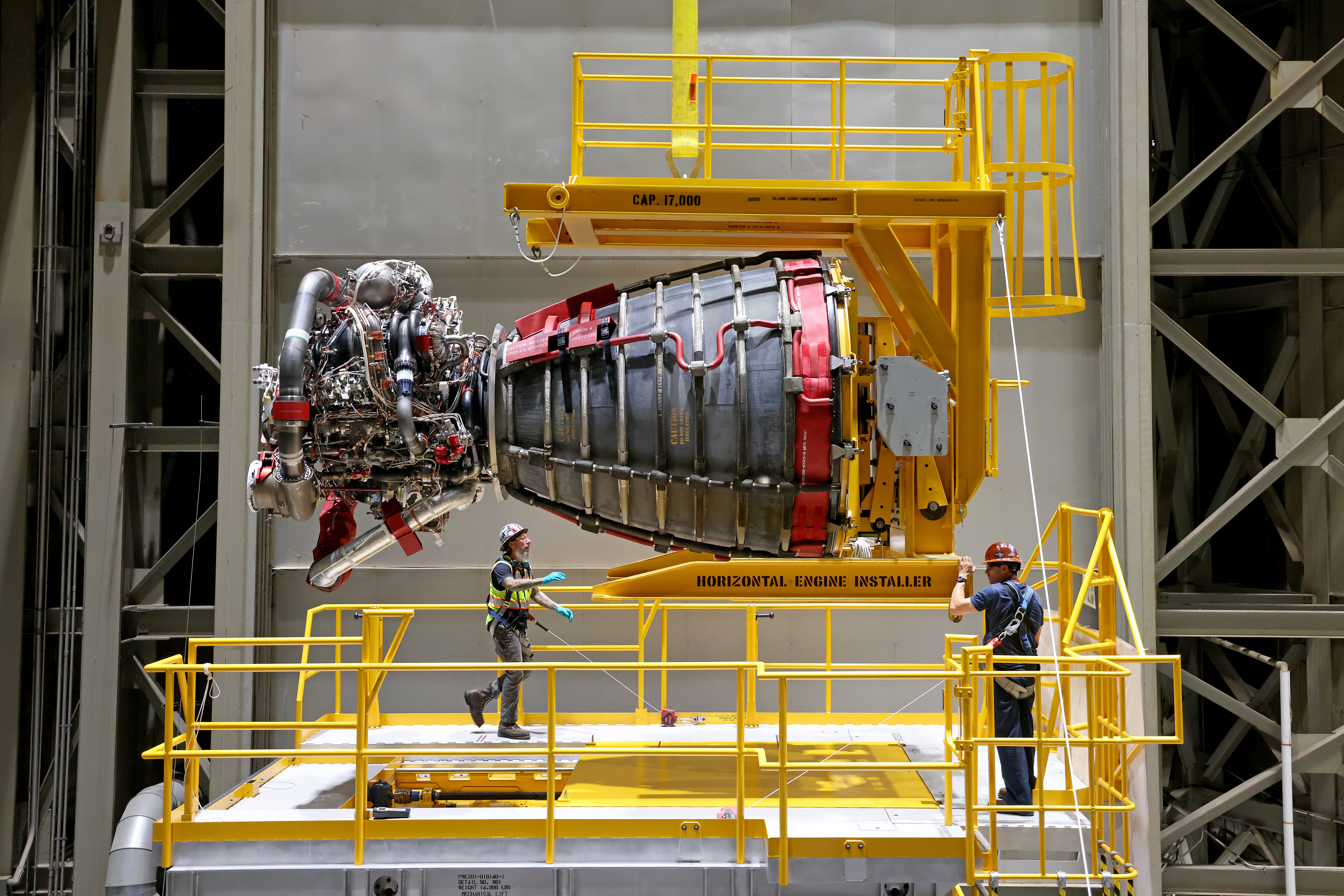
NASA will host a specialised virtual webinar on Friday, 2 October, designed specifically for the blind and low-vision community. The two-hour event, titled “The RS-25 Engine and the Future of Artemis Missions: An Accessible Webinar for the Blind and Low-Vision Community,” is open to the public but tailored to meet the specific needs of this audience.
The session will be hosted on the Zoom platform at 2 p.m. Eastern Daylight Time. Attendees will have the opportunity to view an audio-described video of an RS-25 engine test, a key component of the agency’s lunar exploration efforts. The programme aims to send astronauts on increasingly difficult missions to explore the Moon and establish a Moon Base on the lunar surface.
In addition to the visual content, the webinar will include a question-and-answer session with an Artemis engineer. This segment is intended to provide direct insight into the technical aspects of the upcoming missions.
A panel discussion on accessibility in space and science will also form part of the agenda. This segment seeks to address how the broader scientific community can better accommodate diverse audiences in its outreach and educational activities.
Those interested in attending must register by Friday, 25 September. NASA will email the specific details of the webinar to registrants in the days leading up to the event. For further inquiries, the agency has directed the public to contact Thalia K. Patrinos.