NASA’s Roman Space Telescope moves to launch site ahead of Falcon Heavy liftoff
The Nancy Grace Roman Space Telescope has been transported to the SpaceX hangar at Kennedy Space Center, positioning it for a launch targeted for no earlier than 30 August 2026.
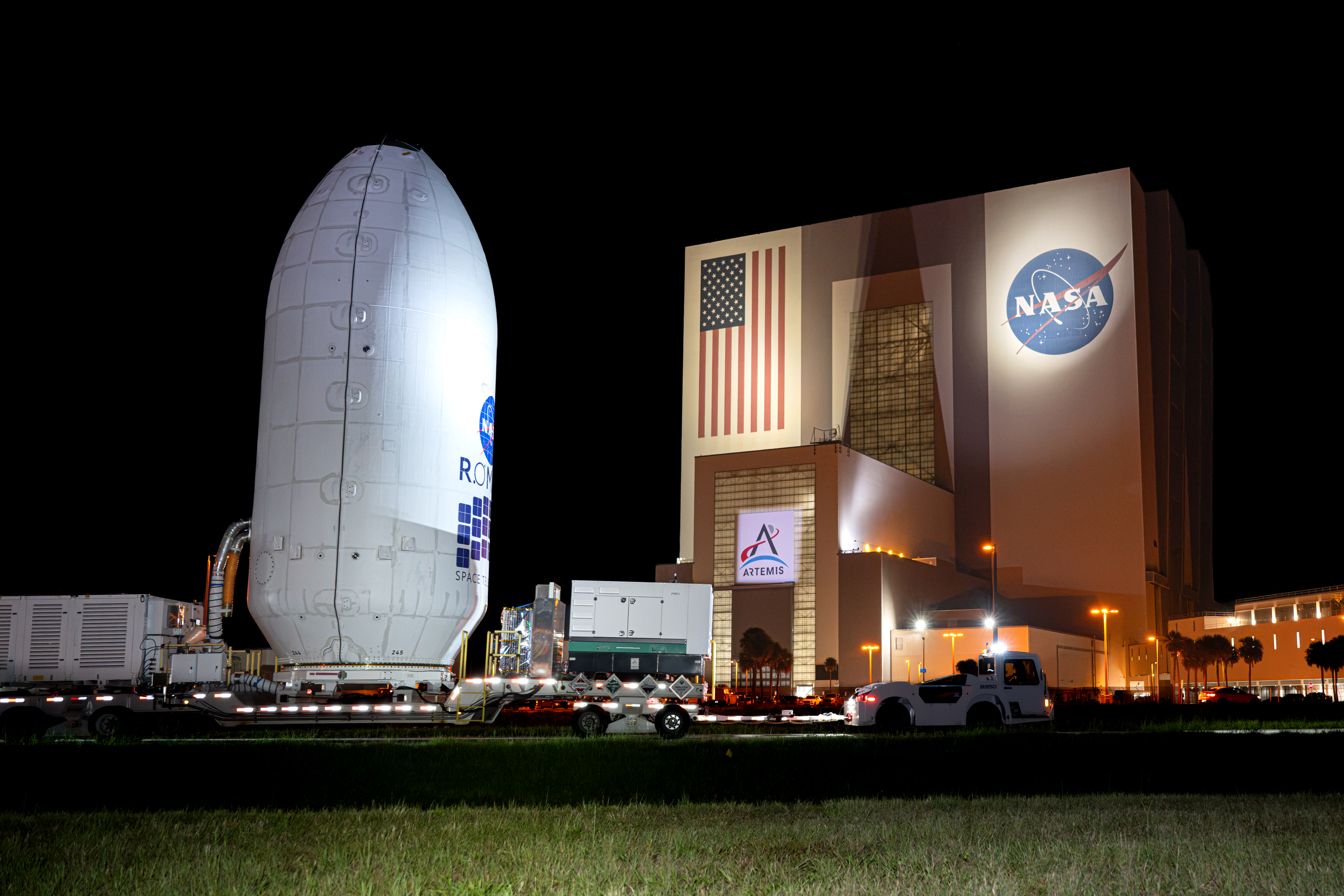
NASA’s Nancy Grace Roman Space Telescope has been moved to the SpaceX hangar at Launch Complex 39A at Kennedy Space Center, marking a significant step towards its planned launch. The observatory, which is currently encapsulated in its payload fairing, was transported from the Payload Hazardous Servicing Facility on 25 August 2026.
This relocation prepares the telescope for its mating with a SpaceX Falcon Heavy rocket. The move is a critical logistical step in the final stages of the mission’s pre-launch sequence, ensuring the spacecraft is ready for integration with its launch vehicle.
The primary scientific objective of the Roman Space Telescope is to help researchers understand dark energy, the mysterious force accelerating the universe’s expansion. By studying this phenomenon, scientists hope to gain deeper insights into the fundamental forces shaping the cosmos.
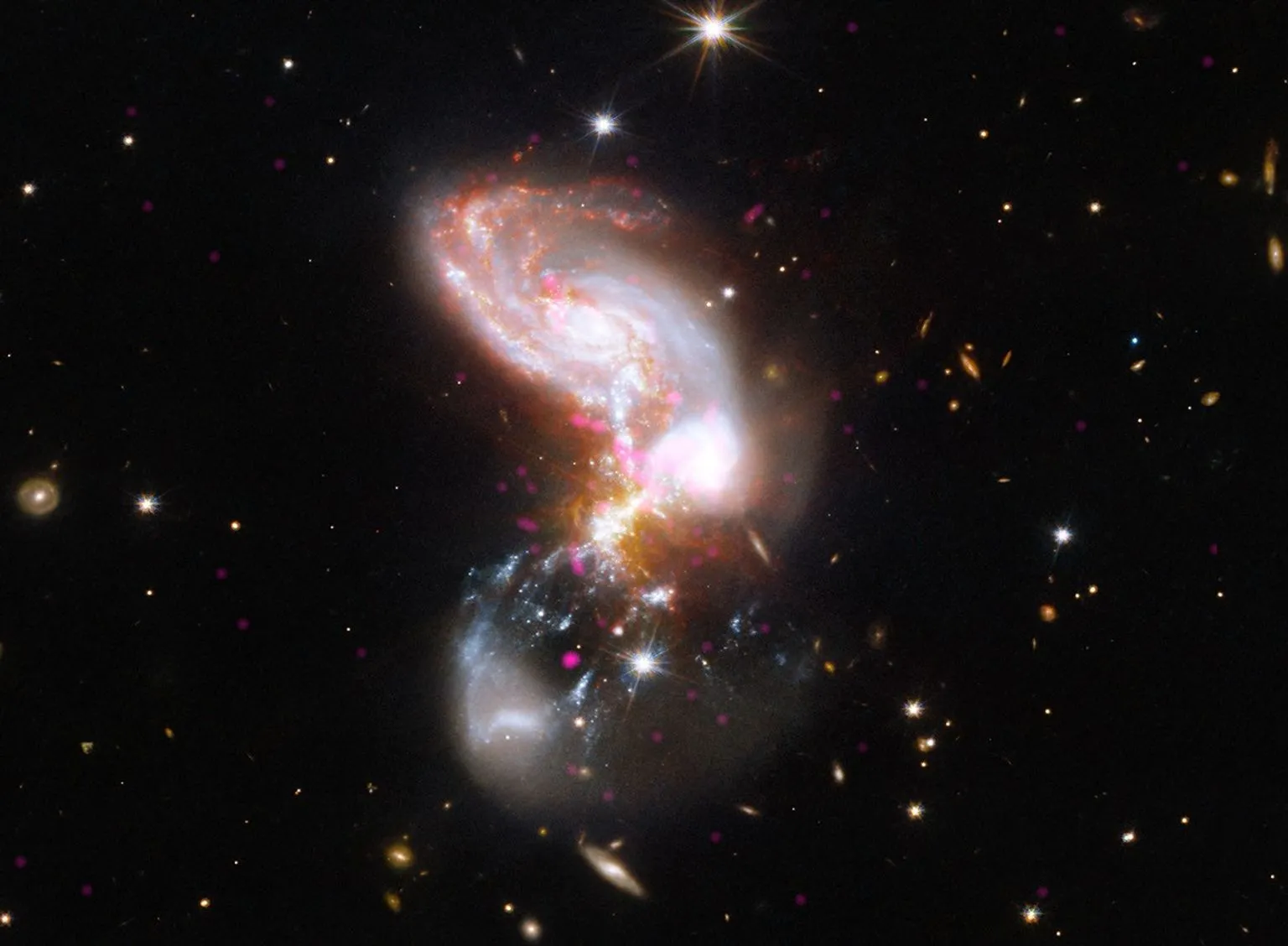
In addition to investigating dark energy, the observatory is designed to map how galaxies form, cluster, and evolve. It will achieve this by tracing the influence of dark matter, providing a comprehensive view of the structural development of the universe over time.
According to NASA, liftoff from Kennedy Space Center is targeted for no earlier than Sunday, 30 August 2026. The use of the phrase "no earlier than" indicates that while 30 August is the current target, the actual launch date may be subject to change depending on final preparations and weather conditions.
The transport of the Roman Space Telescope underscores the collaborative effort between NASA and SpaceX in executing the mission. As the telescope prepares for its journey into space, the scientific community awaits the data that will help unravel some of the universe’s most persistent mysteries.