Progress 96 resupply mission set for launch to International Space Station
NASA will broadcast live coverage of the Soyuz rocket launch and subsequent autonomous docking of the Progress 96 cargo spacecraft, which is carrying three tonnes of supplies to the orbiting laboratory.
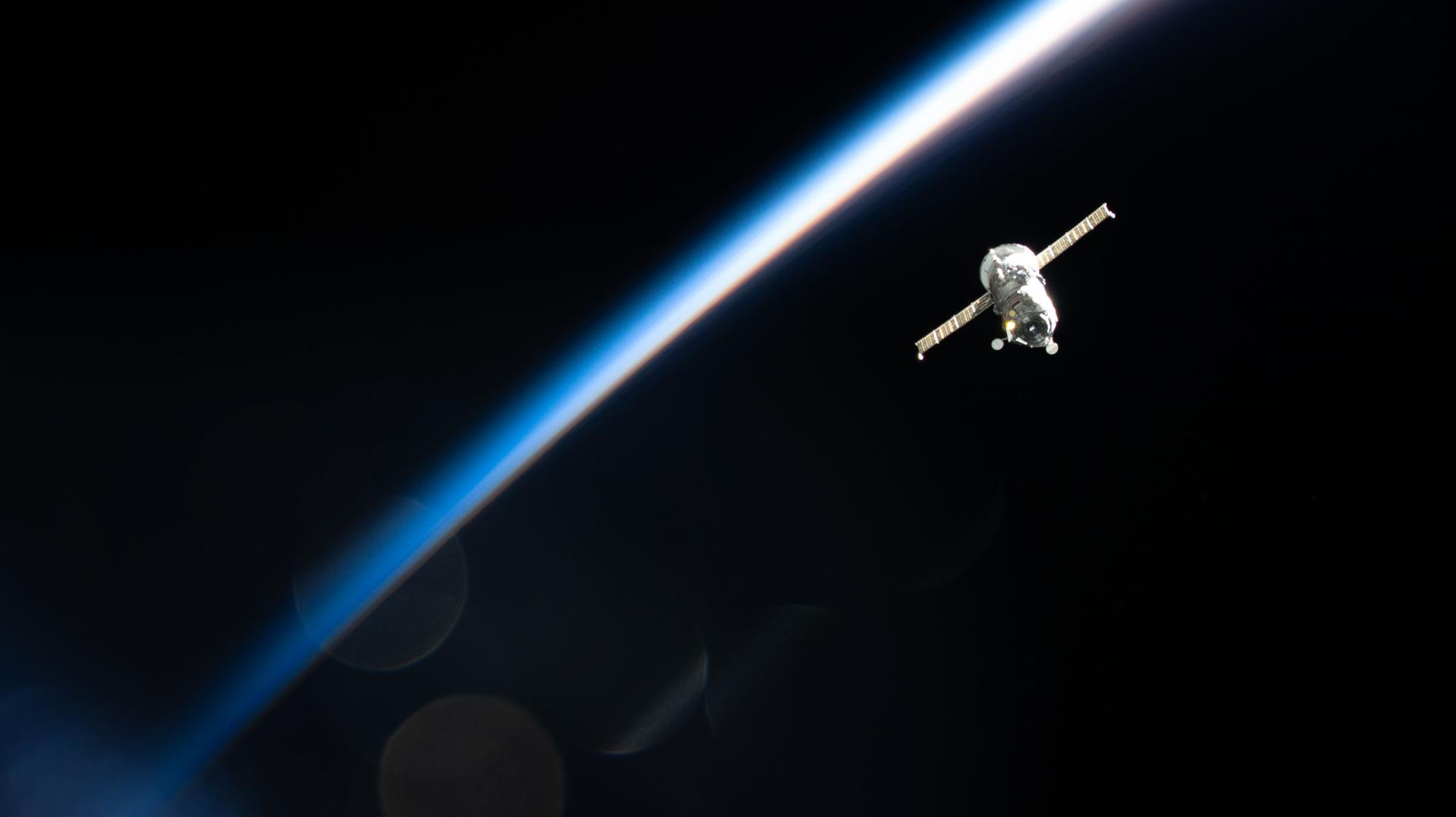
NASA is preparing to provide live coverage of the launch and docking of the Progress 96 resupply spacecraft, a Roscosmos cargo vehicle destined for the International Space Station. The unpiloted craft is scheduled to lift off on a Soyuz rocket from the Baikonur Cosmodrome in Kazakhstan at 12:15 p.m. Eastern Daylight Time, which corresponds to 9:15 p.m. local time in Baikonur, on Wednesday, 9 September.
The spacecraft is carrying approximately three tonnes of food, fuel, and other supplies for the crew aboard the space station. Following a two-day transit, Progress 96 is expected to dock autonomously with the Poisk module’s space-facing port at 2:37 p.m. EDT on Friday, 11 September. NASA’s live broadcast of the launch is set to begin at 12:00 p.m. EDT, while coverage of the arrival will commence at 1:45 p.m. EDT on the day of docking.
Prior to the arrival of the new cargo vehicle, the Progress 94 spacecraft is scheduled to undock from the station at approximately 11:18 a.m. EDT on Monday, 7 September. This departure marks the beginning of its planned destructive re-entry into Earth’s atmosphere. Unlike the Progress 96 mission, NASA will not stream live coverage of the Progress 94 undocking event.
Once docked, the Progress 96 spacecraft will remain attached to the orbiting laboratory for approximately five months. It will then depart to re-enter Earth’s atmosphere, where it is expected to burn up harmlessly over the Pacific Ocean. The mission serves as a critical logistical operation to maintain the continuous habitation of the space station.
The International Space Station has been continuously inhabited for more than 25 years, serving as a platform for scientific research and the advancement of knowledge not possible on Earth. The station helps NASA understand the challenges of human spaceflight and expand commercial opportunities in low Earth orbit.
Additionally, the space station provides a foundation for preparing long-duration missions to the Moon under the Artemis program and to Mars. NASA will stream the launch and docking events live through various digital platforms for public viewing.