HealthDraft
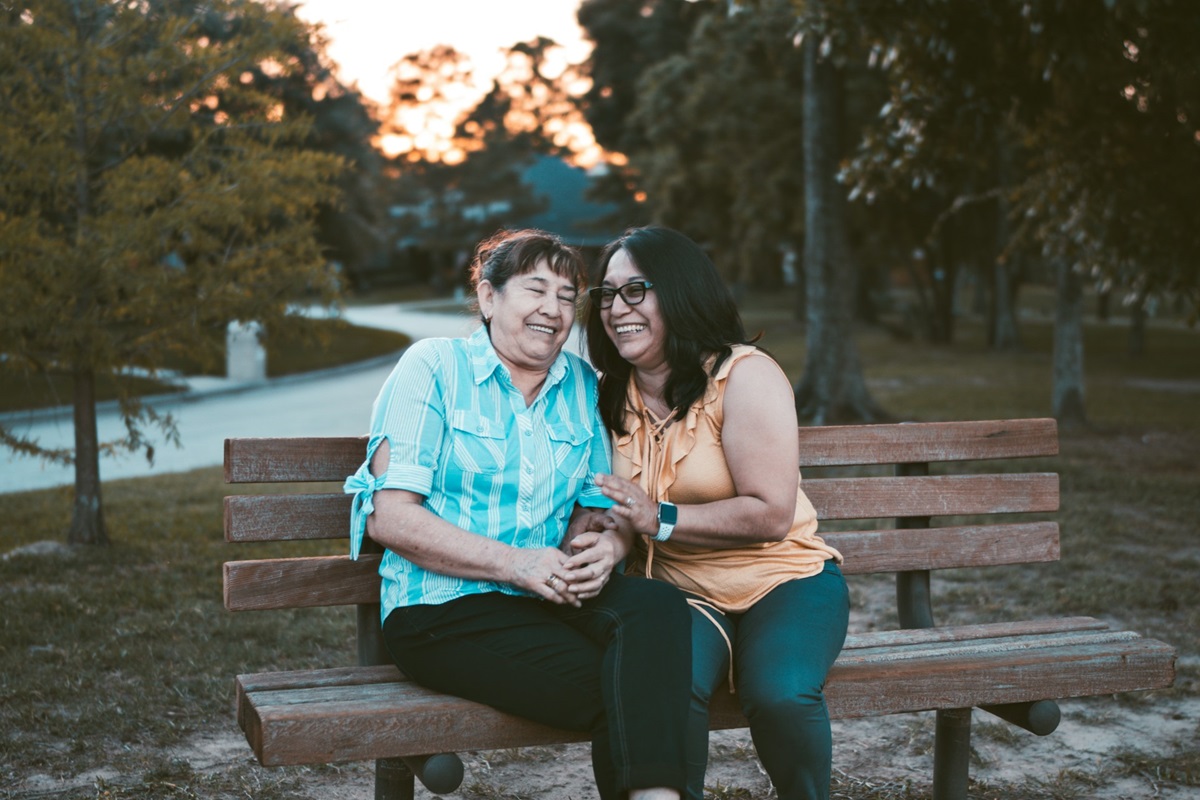
WHO updates dementia guidelines, citing 45% of risk as preventable
New guidance highlights modifiable lifestyle factors and warns against unsupervised supplement use as global dementia cases rise.
Health DeskRead story
Topic
Biotech reporting, context, and analysis collected into one editorial stream.
New guidance highlights modifiable lifestyle factors and warns against unsupervised supplement use as global dementia cases rise.
New estimates reveal that while more infants received initial vaccines, millions remain unprotected and key regions lag behind pre-pandemic levels.
The World Health Organization has confirmed El Salvador’s elimination of trachoma, a bacterial infection and leading infectious cause of blindness. The country joins 64 nations globally recognised for eradicating at least one neglected tropical disease.
New analysis from the World Health Organization underscores that while global blood supplies are growing, where a person lives remains a critical determinant of their access to life-saving transfusions.
Topic stream

The six-month plan, running from June to November 2026, aims to raise US$518 million to support African nations in detecting and responding to the outbreak, particularly given the lack of approved vaccines for this specific virus strain.
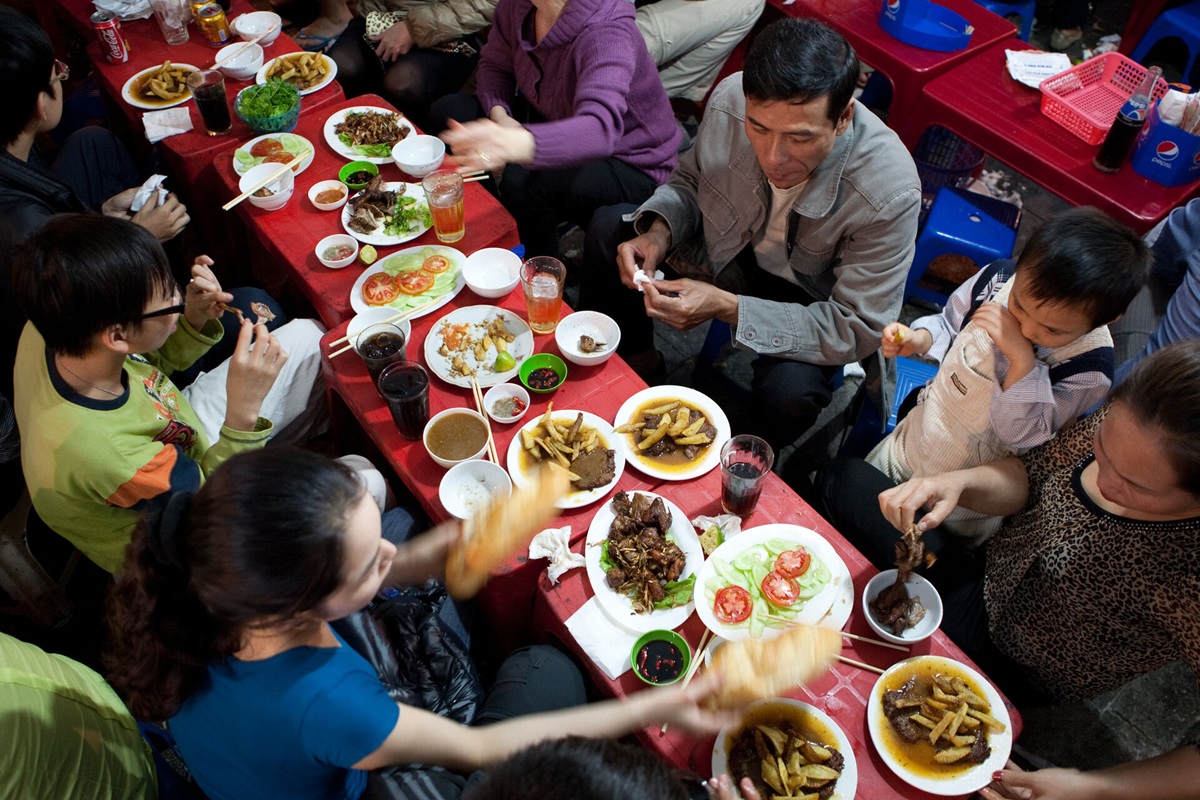
The World Health Organization’s latest data highlights significant regional inequalities and a US$647 billion economic toll, urging a unified 'One Health' approach to food safety.

At least 40 million children aged 13–15 use tobacco products worldwide, with the World Health Organization highlighting a regulatory gap in approximately 160 countries regarding nicotine pouches.
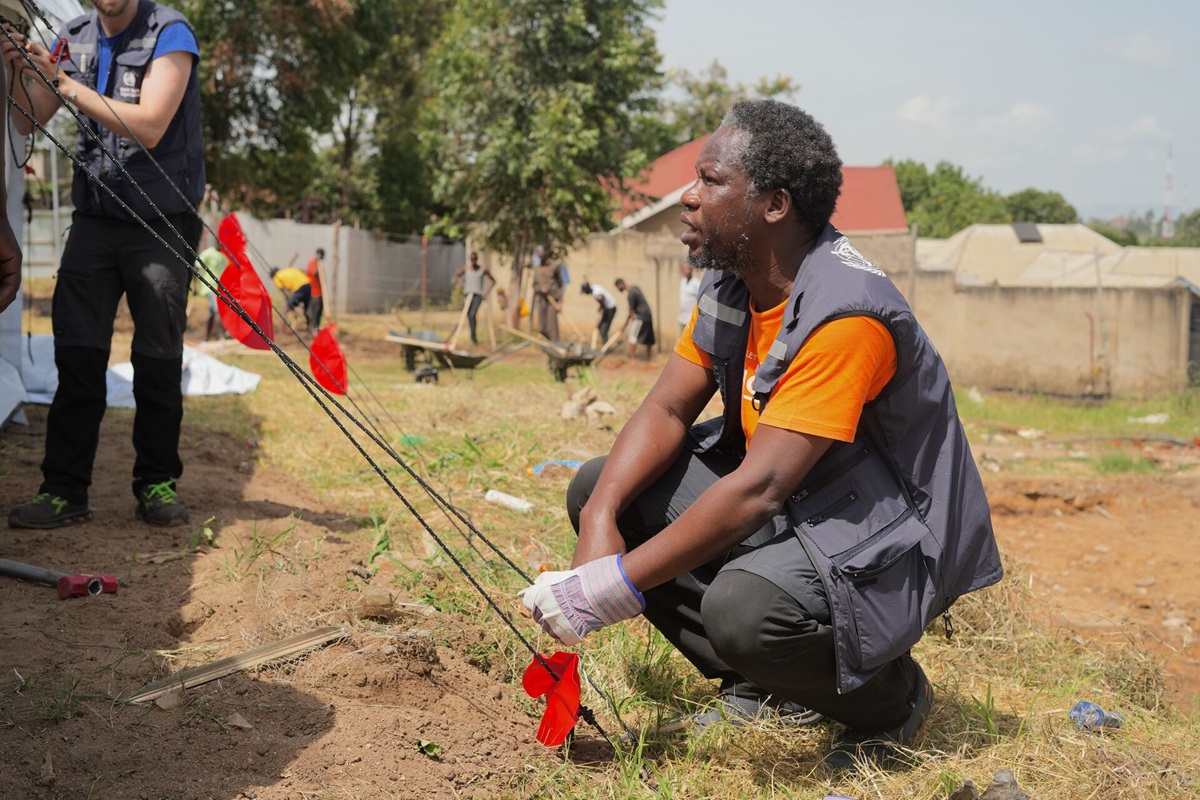
Advisory groups recommend candidate products be restricted to clinical trials to ensure ethical research and generate robust data as transmission control measures intensify.
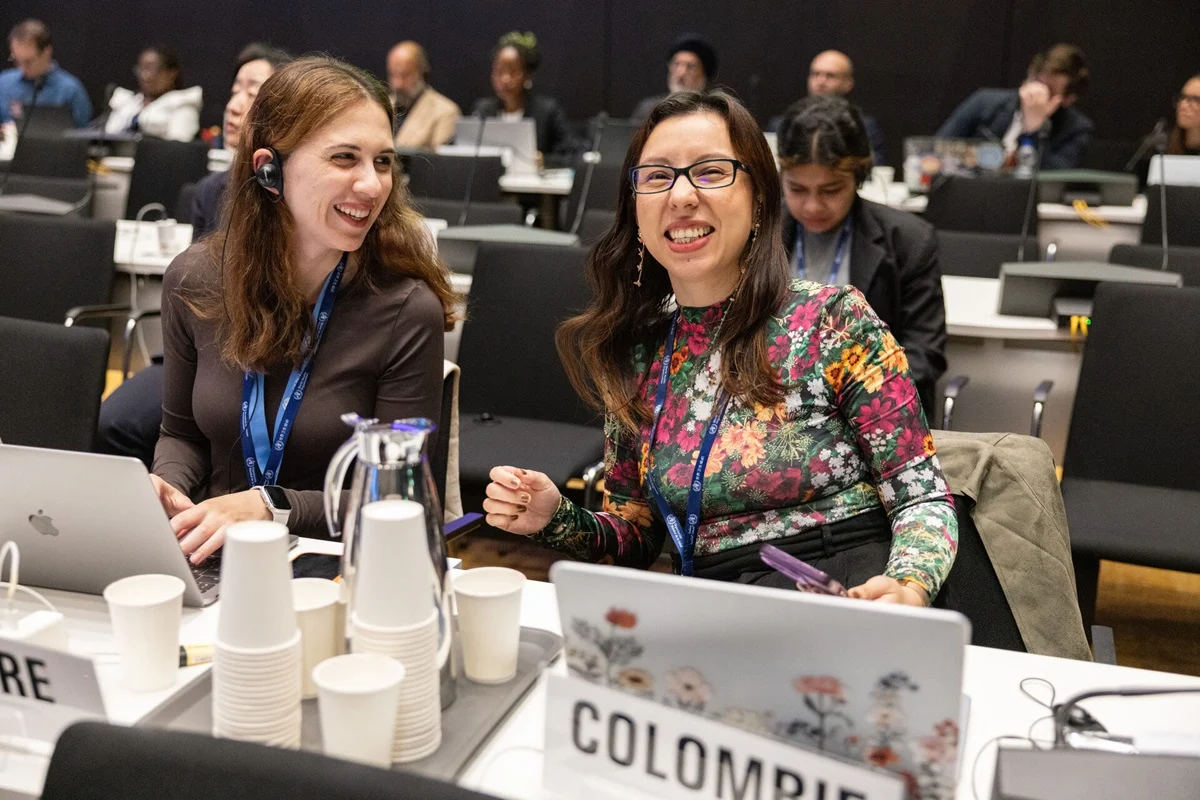
Member States have approved critical amendments to the global health workforce code, a new strategy for economic health integration, and a decade-long action plan to combat antimicrobial resistance.
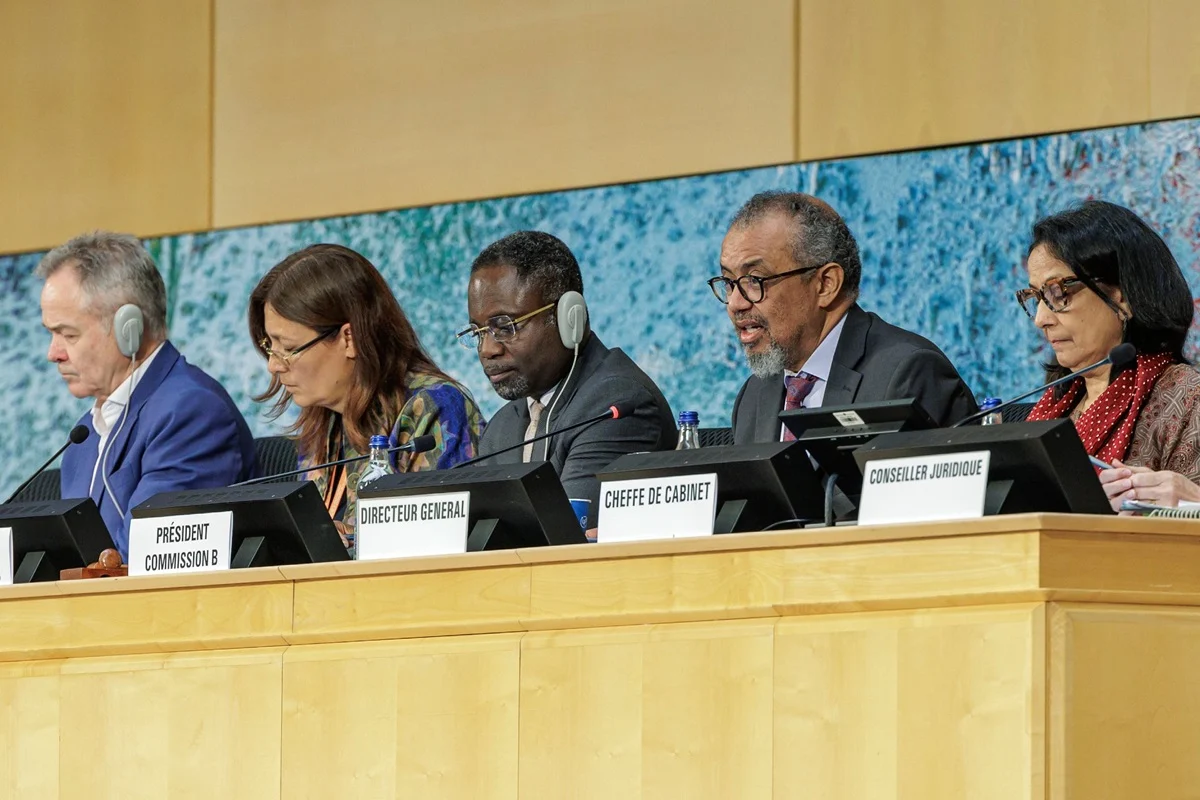
The Seventy-ninth World Health Assembly has passed a series of resolutions aimed at strengthening the global health architecture, addressing the rising burden of stroke, and establishing pathways for precision medicine and teleradiology.
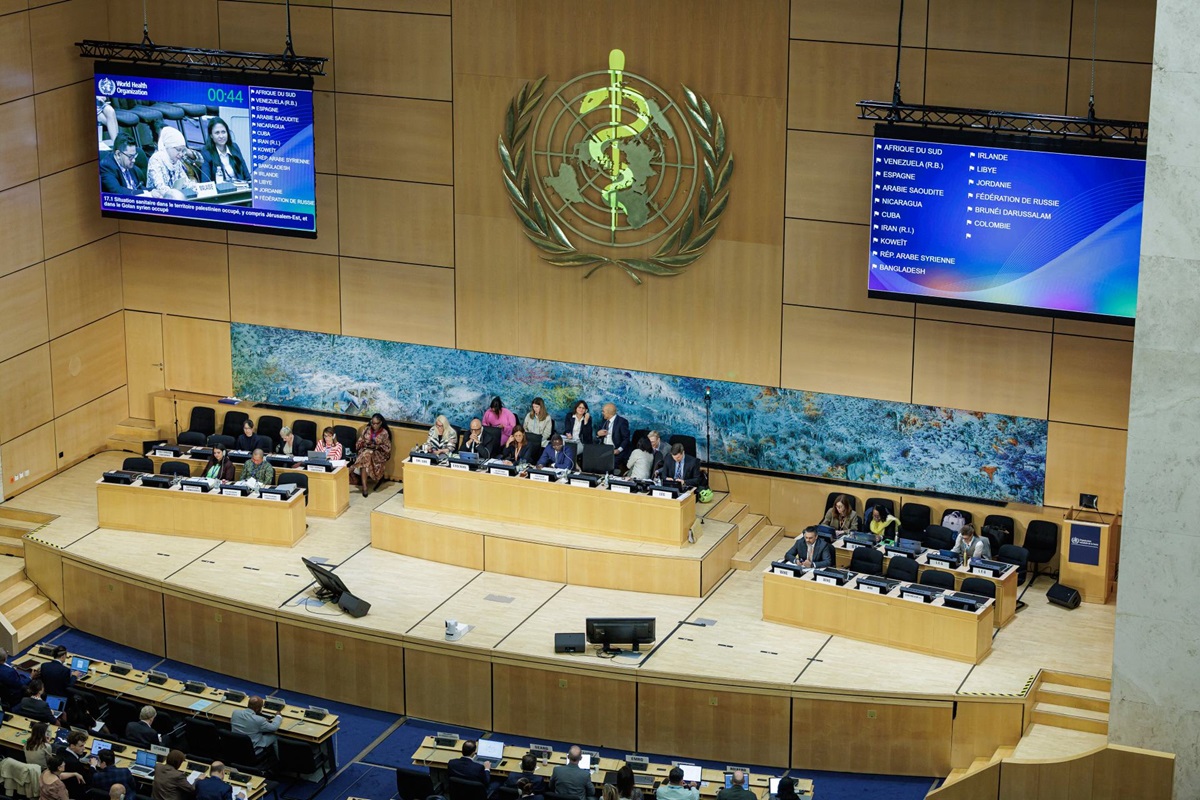
The World Health Organization has mandated a new tuberculosis strategy for 2030, formally classified steatotic liver disease as a major noncommunicable disease threat, and renewed commitments to treat bleeding disorders.
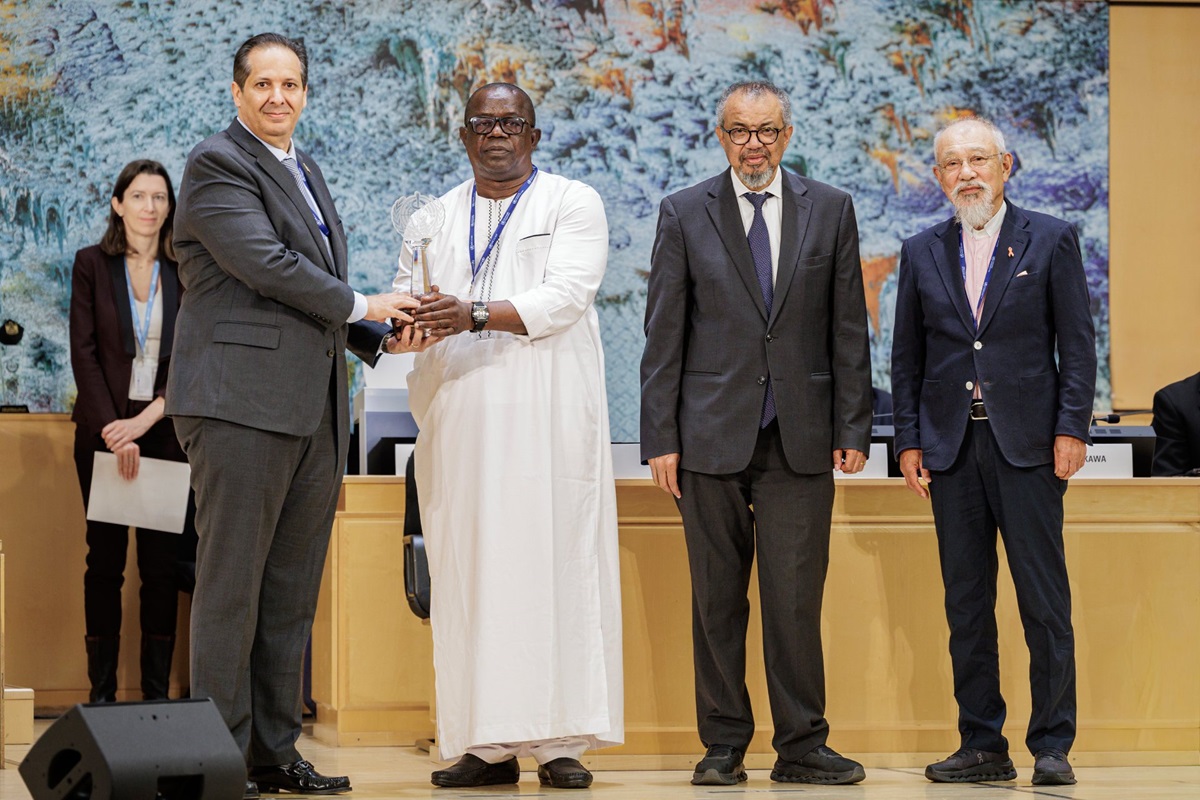
The World Health Organization’s annual awards ceremony marked the 20th anniversary of Dr Lee Jong-wook’s death and highlighted the growing global engagement in public health excellence.
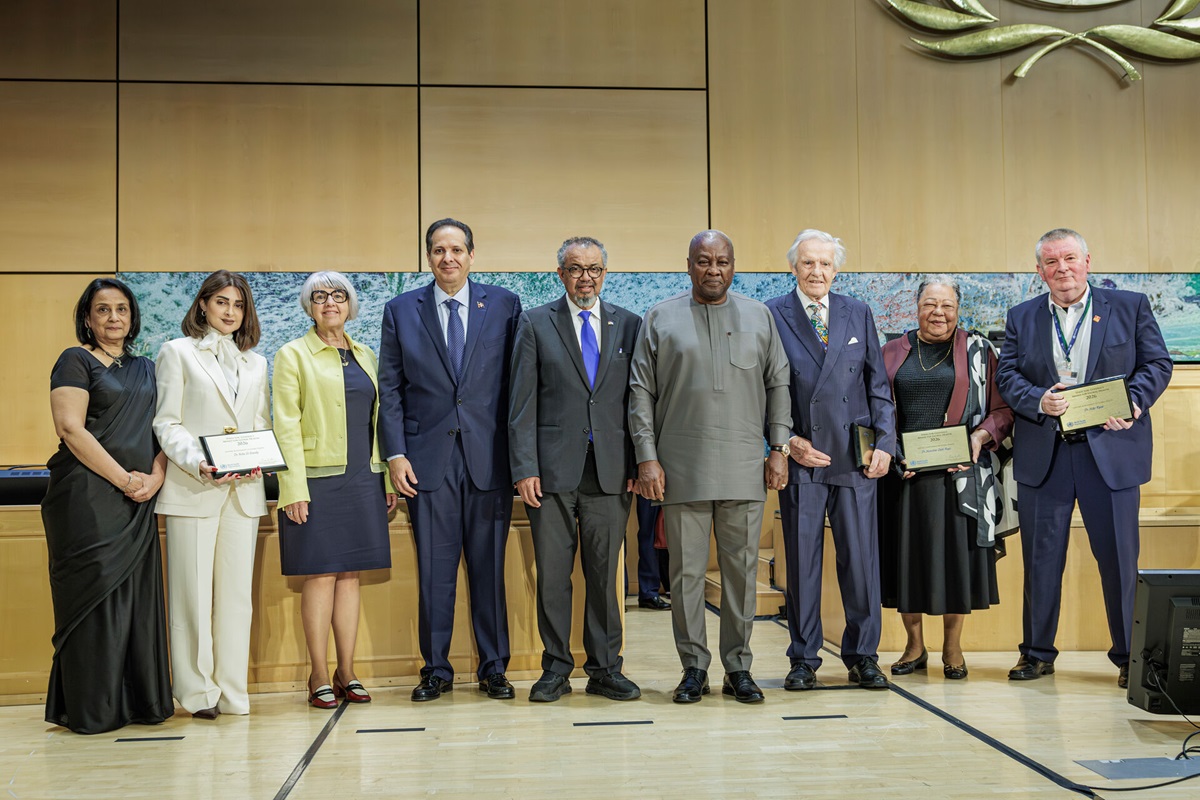
Dr Tedros Adhanom Ghebreyesus recognises Dr Tore Godal, Dr Merceline Dahl-Regis, Dr Mike Ryan, and Dr Heba El Sewedy for their exceptional contributions to improving health outcomes worldwide.

The World Health Organization has released its first global report on nicotine pouches, urging governments to implement strong safeguards against marketing tactics that normalise addiction among adolescents.
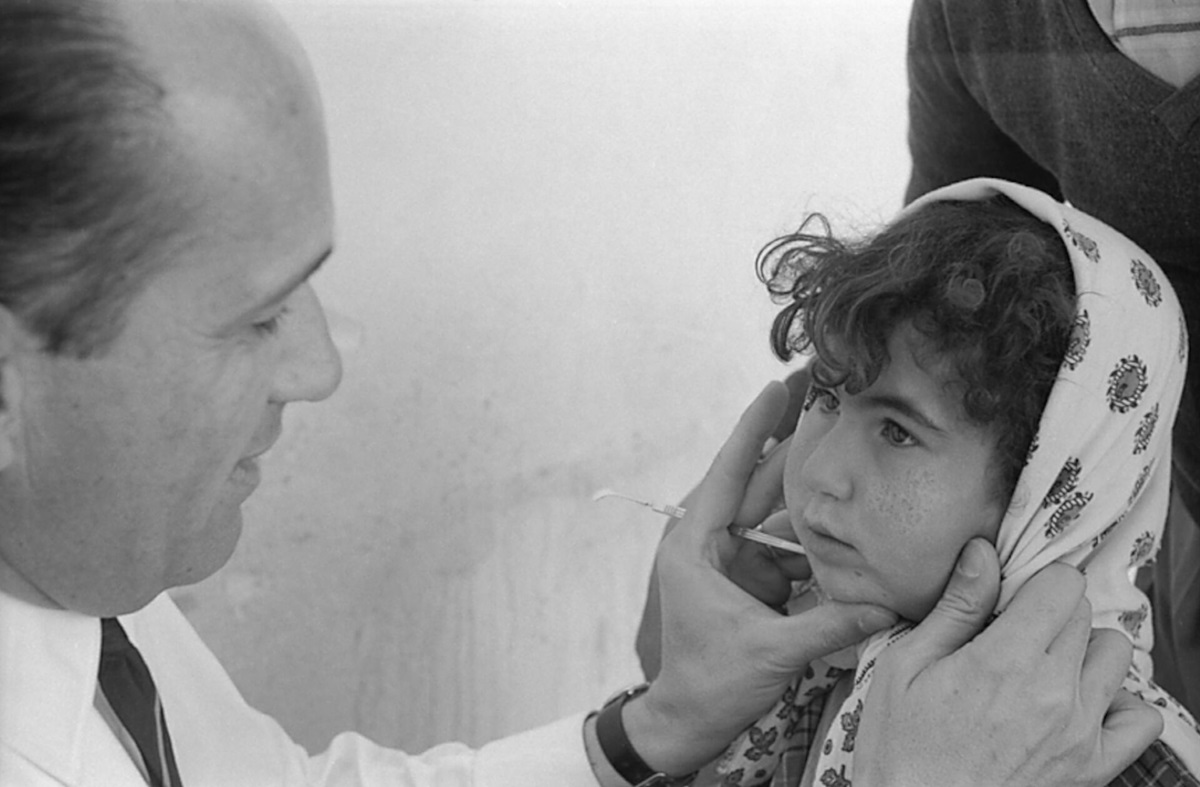
The World Health Organization has officially recognised Tunisia’s success in eradicating trachoma as a public health issue, citing sustained political commitment and integrated primary care strategies.

Tedros Adhanom Ghebreyesus praises Spanish government and island community for professional handling of crisis, while acknowledging the human cost of the incident.

The World Health Organization is coordinating a response under the International Health Regulations, deploying an expert and diagnostic kits to support testing and safe disembarkation.

A joint statement marks the tenth anniversary of UN Security Council Resolution 2286, describing the current situation as a failure of political will rather than a failure of the law itself.