Africa CDC and WHO launch $518m joint Ebola response plan
The six-month plan, running from June to November 2026, aims to raise US$518 million to support African nations in detecting and responding to the outbreak, particularly given the lack of approved vaccines for this specific virus strain.
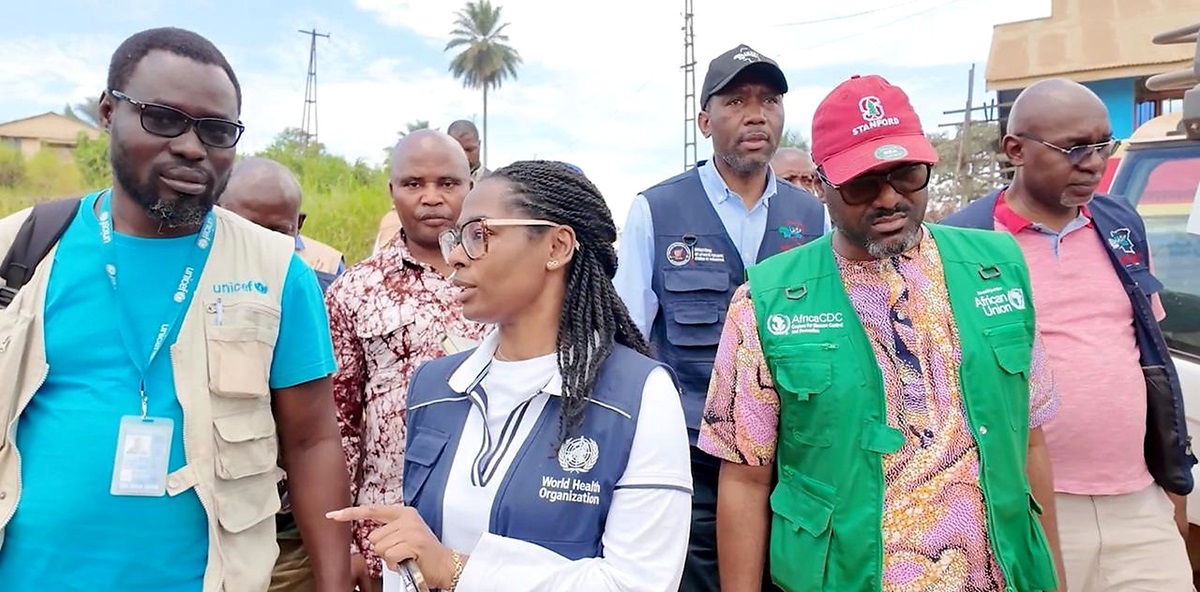
The Africa Centres for Disease Control and Prevention (Africa CDC) and the World Health Organization (WHO) have launched a joint continental preparedness and response plan to address the ongoing Ebola outbreak caused by the Bundibugyo virus. Covering the period from June to November 2026, the initiative seeks to raise US$518 million to support African countries and partners in preparing for, rapidly detecting, and responding to the outbreak.
The plan adopts a unified ‘One Response’ approach involving governments, partners, and communities, and complements national response efforts in the Democratic Republic of the Congo and Uganda. Implementation of preparedness and response activities is already underway across affected and at-risk countries, with critical measures being strengthened in 10 priority countries.
A significant challenge in managing the Bundibugyo species is the absence of licensed vaccines or therapeutics specifically approved for it. Consequently, the plan focuses on strengthening health systems, cross-border collaboration, and protecting vulnerable populations. Dr Tedros Adhanom Ghebreyesus, WHO Director-General, stated that the guiding principle is “one plan, one budget, one team,” emphasising that containing Ebola depends on political commitment, sustained financing, and community trust.
Dr Jean Kaseya, Director-General of Africa CDC, highlighted that the plan aims to turn commitment into action and resources into response for communities at risk. The coordinated effort includes urging Member States to strengthen screening and public health measures at points of entry and enhance cross-border coordination to support a timely and effective response.
The plan also emphasises the need to maintain support for other ongoing health emergencies, including mpox, cholera, and measles, to prevent disruptions to critical response efforts. This balance is crucial to safeguard progress towards stronger, more resilient health systems while addressing the acute Ebola outbreak.
Response operations are accelerating in the Democratic Republic of the Congo, where authorities, with support from Africa CDC, WHO, and partners, are ramping up efforts to curb the spread of the virus. The joint initiative draws on lessons learned from previous outbreaks to strengthen Africa’s capacity to prevent, detect, and respond to future health threats.
Successful implementation will require strong political commitment, sustained investment, and close collaboration among governments, health workers, communities, and partners. Through this joint plan, the continent is mobilising its collective expertise and resources to reinforce response measures and protect communities across the region.