WHO Assembly endorses post-2030 TB strategy and recognises steatotic liver disease
The World Health Organization has mandated a new tuberculosis strategy for 2030, formally classified steatotic liver disease as a major noncommunicable disease threat, and renewed commitments to treat bleeding disorders.
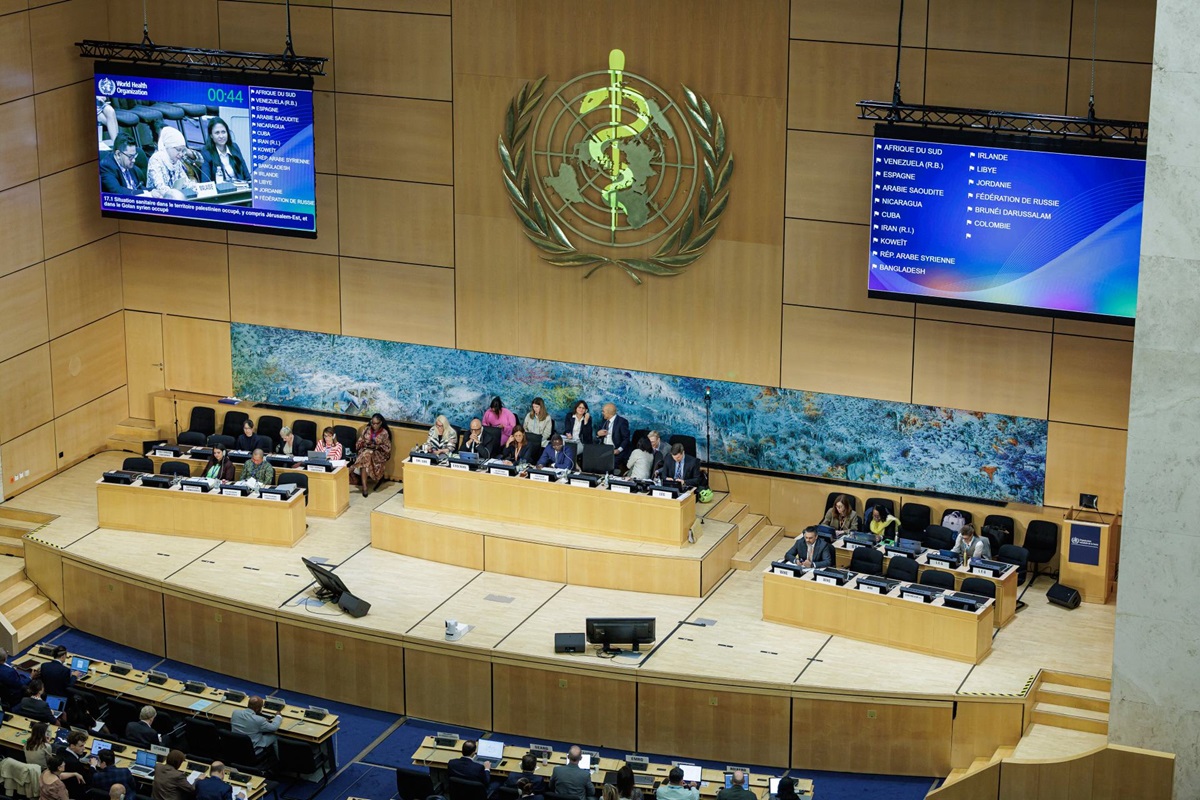
At the Seventy-ninth World Health Assembly on 21 May 2026, delegates endorsed a decision requesting the Director-General to develop a post-2030 tuberculosis strategy. The new framework is scheduled for submission to the Eighty-first Assembly in 2028 and aims to align global responses with primary health care, universal health coverage, and health security agendas ahead of the 2028 UN High-Level Meeting on TB.
The mandate follows a report on the current End TB Strategy, which noted that expanded treatment between 2000 and 2024 saved an estimated 83 million lives. While 2024 saw the first post-pandemic decline in incidence and record access to essential services, global targets remain off track due to chronic underfunding, conflict, and climate-related displacement.
The Assembly also approved a resolution recognising steatotic liver disease, formerly known as fatty liver disease, as a significant contributor to the global burden of noncommunicable diseases. Affecting an estimated 1.7 billion people, the condition is closely linked to obesity, type 2 diabetes, and alcohol use. The resolution calls for integration into national strategies, improved surveillance, and multisectoral action addressing shared risk factors.
Member States further recommitted to action on haemophilia and other bleeding disorders, pledging to close equity gaps in diagnosis and treatment. With nearly 70% of people with haemophilia remaining undiagnosed, the resolution encourages the inclusion of life-saving therapies in Essential Medicines Lists and the integration of management into national health policies.
A Strategic Roundtable session addressed health mis- and disinformation as a growing public health threat. Participants emphasised the need for resilient information ecosystems and proactive engagement to build trust, identifying the issue as a challenge that undermines the delivery of effective health interventions.