WHO assesses risk as low amid hantavirus cluster on cruise ship MV Hondius
The World Health Organization is coordinating a response under the International Health Regulations, deploying an expert and diagnostic kits to support testing and safe disembarkation.
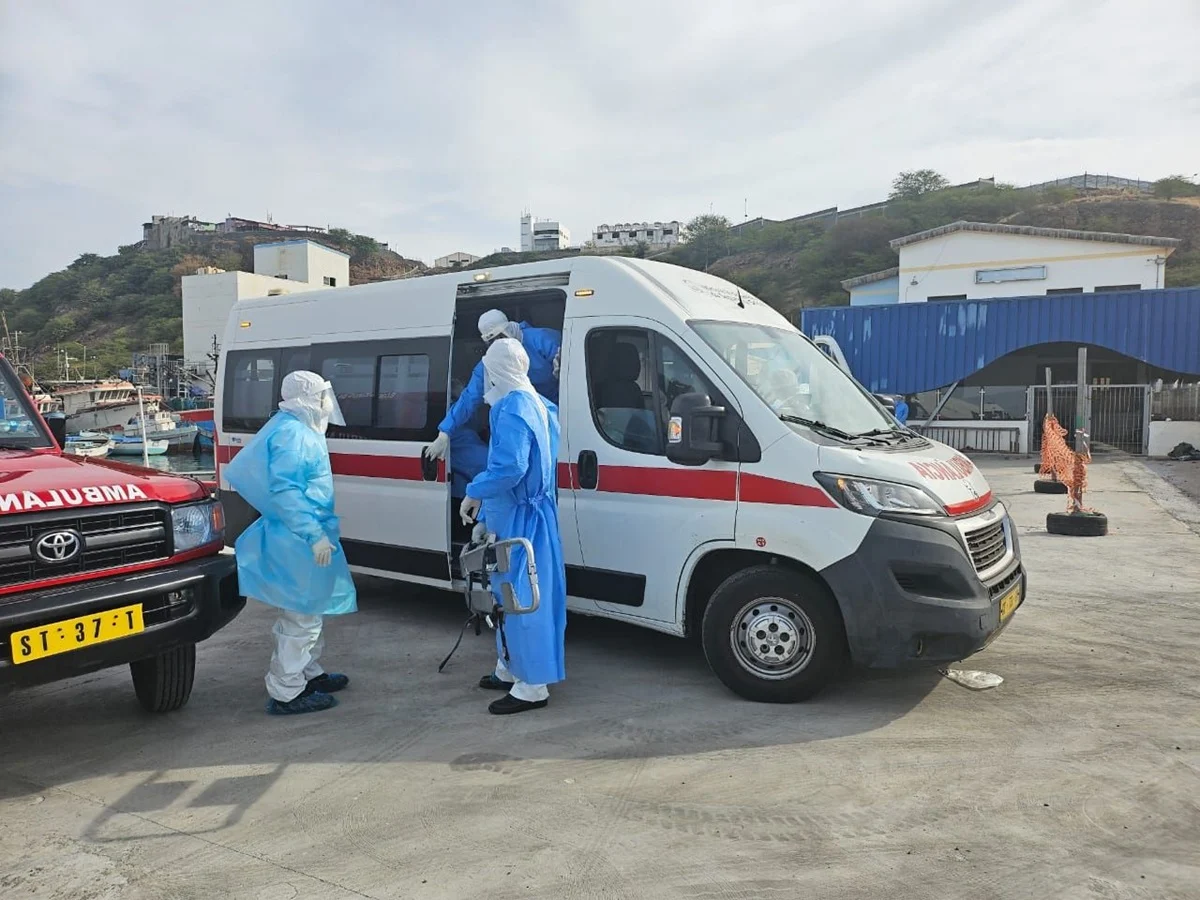
The World Health Organization has addressed a cluster of hantavirus cases linked to the cruise ship MV Hondius, with Director-General Dr Tedros Adhanom Ghebreyesus briefing media on the developing situation. To date, eight cases have been reported, including three deaths, with five of those instances confirmed as the Andes virus.
The Andes virus is distinct among hantavirus species for its capacity for limited transmission between humans, typically occurring through close and prolonged contact. While Dr Tedros described the incident as serious, he assessed the current public health risk as low. However, he cautioned that the incubation period for the virus means it is possible for further cases to be reported as the timeline plays out.
In response to the outbreak, the organisation is coordinating its efforts under the International Health Regulations. These regulations define the rights and obligations of nations and the WHO in responding to public health events, underscoring the importance of global cooperation in managing health threats that cross borders.
To support a comprehensive medical assessment of all passengers and crew, WHO has deployed an expert directly onto the MV Hondius. This expert is gathering critical information to evaluate the risk of infection for those on board while ensuring affected patients receive necessary care.
Diagnostic capacity is being strengthened through the shipment of 2500 kits from Argentina to laboratories in five countries. This move aims to bolster testing capabilities and facilitate the safe and respectful disembarkation of passengers and crew once operational guidance is finalised.
Dr Tedros emphasised that the priority remains ensuring the safety and dignity of the remaining passengers on the ship while preventing any further spread of the virus. The organisation continues to develop step-by-step operational guidance for the onward travel of affected individuals, demonstrating a commitment to handling the situation with care and transparency.