WHO warns tobacco firms are engineering products to hook young people
At least 40 million children aged 13–15 use tobacco products worldwide, with the World Health Organization highlighting a regulatory gap in approximately 160 countries regarding nicotine pouches.
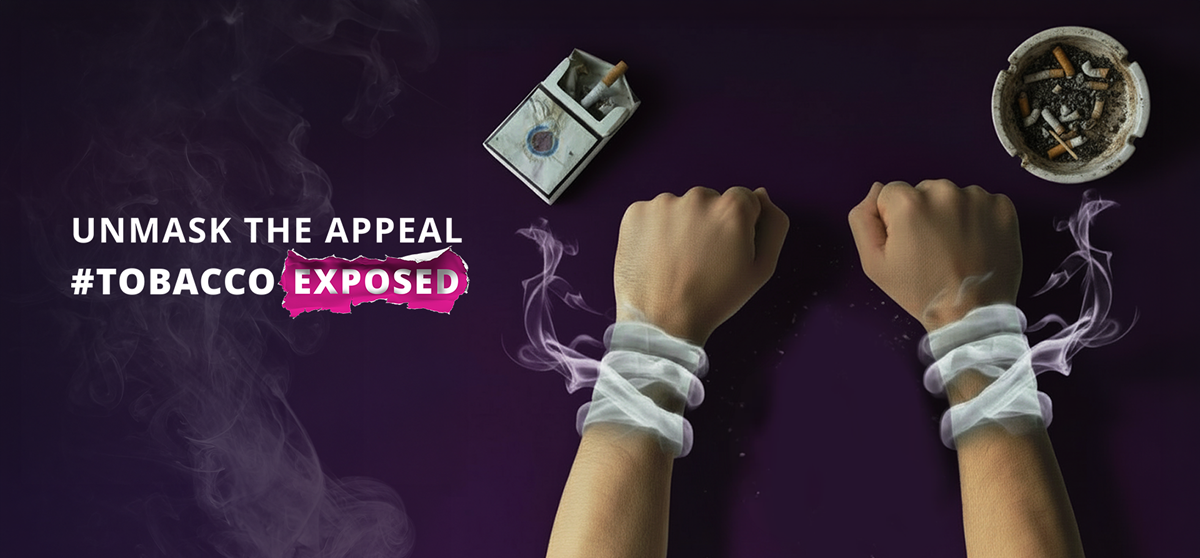
The World Health Organization has issued a stark warning ahead of World No Tobacco Day on 31 May 2026, urging governments to take immediate action to protect young people from addiction to tobacco and nicotine products. The global health body reports that at least 40 million children aged 13 to 15 use tobacco products worldwide, with usage of e-cigarettes and nicotine pouches continuing to rise.
Dr Etienne Krug, Director of the Department of Health Determinants, Promotion and Prevention at the WHO, stated that tobacco and nicotine companies are deliberately engineering their products to be more appealing, easier to use, and harder to quit for adolescents. He noted that while tobacco continues to kill millions of people, major firms are reinventing their business models by aggressively pushing flavoured e-cigarettes and nicotine pouches designed to hook the next generation.
The organisation highlighted that nicotine pouches are being promoted through social media influencers using lifestyle branding and flavours specifically designed to appeal to young people. Despite rapidly growing global sales, a recent WHO report found that approximately 160 countries still lack specific regulations for these products, leaving millions of people unprotected from the risks associated with high-concentration nicotine, which is particularly harmful to developing brains.
To combat these industry tactics, the WHO recommended that governments ban flavoured products, advertising, promotion, and sponsorship. The agency also called for indoor public places to be made completely smoke- and vape-free, with strengthened enforcement measures. The WHO emphasised that bright packaging, candy-like flavours, and influencer campaigns are tactics used to create addiction to these harmful products.
In recognition of effective local action, the WHO cited the city of Rio de Janeiro in Brazil as a leading example. The city has intensified enforcement against e-cigarette sales and advertising, conducted hundreds of coordinated inspections, and strengthened smoke-free legislation to explicitly include all tobacco and nicotine products. On 19 May, the WHO also awarded leaders from around the world for their bold actions in countering industry tactics designed to attract young people.
Tobacco use remains a leading cause of preventable death globally, killing more than 7 million people every year and linked to cardiovascular disease, respiratory illness, and more than 20 types of cancer. The WHO encouraged the world’s more than 1 billion tobacco, e-cigarette, and nicotine pouch users to take the first step toward quitting on World No Tobacco Day.