Tunisia becomes 31st nation to eliminate trachoma as public health problem
The World Health Organization has officially recognised Tunisia’s success in eradicating trachoma as a public health issue, citing sustained political commitment and integrated primary care strategies.
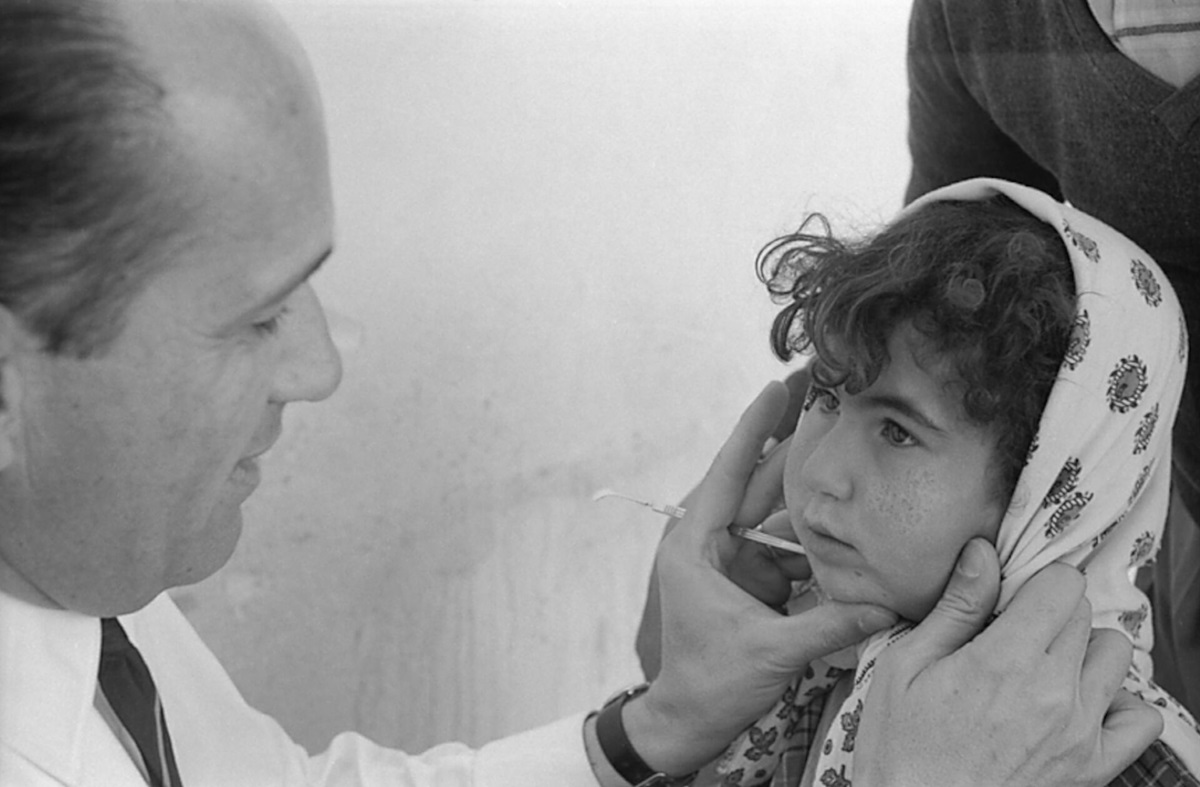
The World Health Organization (WHO) has validated Tunisia as having eliminated trachoma as a public health problem, a milestone achieved after decades of sustained national effort. This recognition makes Tunisia the 31st country globally and the 14th in the WHO Eastern Mediterranean Region to eliminate a neglected tropical disease.
Trachoma, a bacterial infection caused by Chlamydia trachomatis, was once endemic in Tunisia, particularly in southern regions, affecting at least half of the population in the early to mid-20th century. The disease is closely linked to limited access to water, sanitation, and hygiene, and remains a leading infectious cause of preventable blindness worldwide.
To combat the disease, Tunisia implemented the WHO-recommended SAFE strategy, which encompasses Surgery for advanced cases, Antibiotics to clear infection, Facial cleanliness to reduce transmission, and Environmental improvements to limit fly spread and enhance sanitation. The country also integrated eye care into primary health care and school health programmes, alongside nationwide screening and treatment campaigns.
Dr Tedros Adhanom Ghebreyesus, WHO Director-General, congratulated Tunisia on the achievement, stating that eliminating trachoma demonstrates the impact of long-term political commitment and strong primary health care. He noted that the success proves that even the world’s leading infectious cause of blindness can be overcome through teamwork and sustained focus.
Tunisia’s Minister of Health, Dr Mustapha Ferjani, described the validation as a historic result of coordinated national efforts and the dedication of generations of health-care professionals. He emphasised that the country remains committed to sustaining these gains and protecting future generations through continued prevention and equity-focused policies.
A robust post-validation surveillance system is now in place to detect any return of the disease at an early stage. This system includes ongoing case management and the training of health professionals, ensuring that the gains made over decades are maintained.
Dr Ahmed Zouiten, Acting WHO Representative in Tunisia, highlighted that the validation reflects sustained collaboration between the Ministry of Health and the WHO. He stated that the milestone stands as a strong demonstration of how science, evidence-based programming, and coordinated technical support can overcome neglected tropical diseases.
Tunisia joins a growing list of nations that have achieved this status, including Algeria, Australia, Egypt, and Morocco. The achievement aligns with the health-related Sustainable Development Goals and the WHO’s road map for neglected tropical diseases 2021–2030, which aims to eliminate trachoma as a public health problem worldwide by 2030.