Global childhood immunisation coverage inches forward despite conflict and hesitancy
New estimates reveal that while more infants received initial vaccines, millions remain unprotected and key regions lag behind pre-pandemic levels.
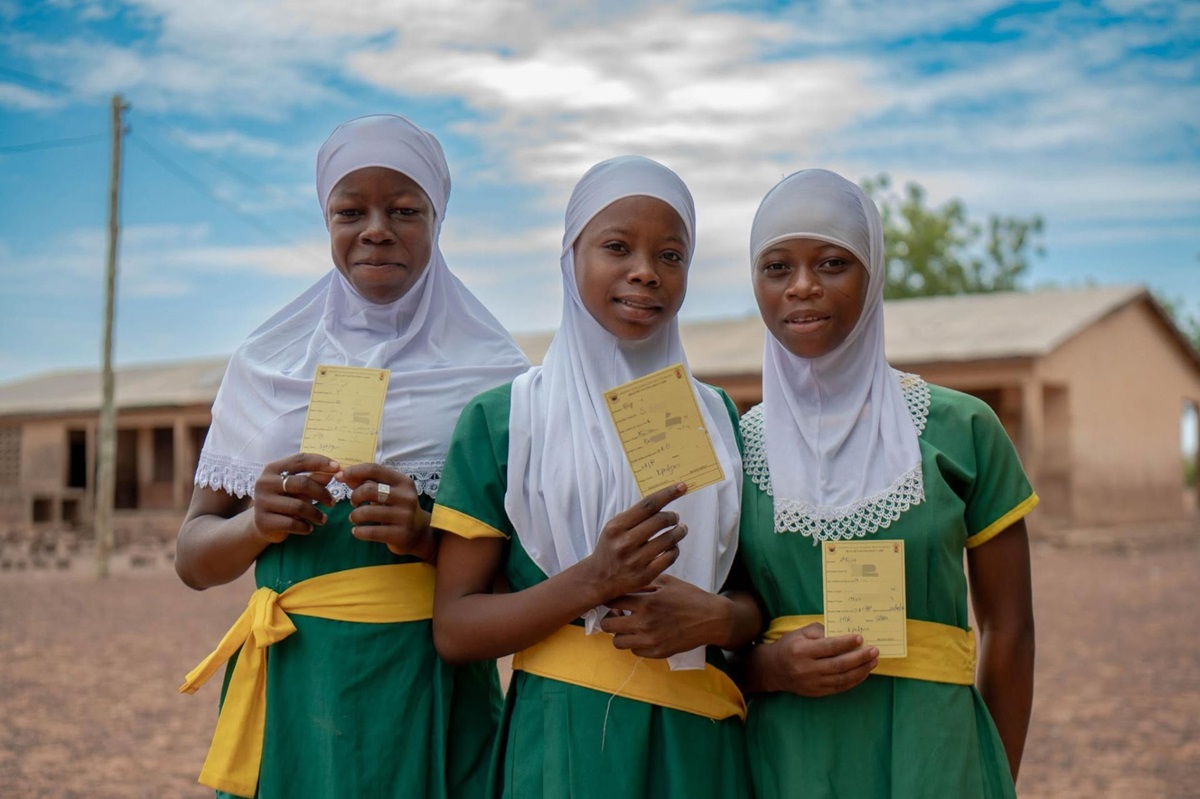
Global childhood immunisation coverage saw a marginal increase in 2025, yet significant disparities and systemic vulnerabilities persist, according to the annual Estimates of National Immunization Coverage (WUENIC) released by the World Health Organization (WHO) and UNICEF. The data indicates that 90 per cent of infants, or approximately 116 million children, received at least one dose of the diphtheria, tetanus, and pertussis (DTP) vaccine, while 85 per cent, or 110 million, completed the full three-dose series.
Although these figures represent a one percentage point rise from the previous year, global coverage remains one point below 2019 levels, hovering within a narrow range since 2009. The report highlights that an estimated 13.5 million children were "zero-dose," meaning they received no vaccines in their first year. While this represents nearly 750,000 fewer children than the previous year, progress is offset by a rising number of children who begin the immunisation schedule but do not complete it.
Measles coverage remains a critical concern, with 84 per cent of children receiving the first dose (MCV1) and 77 per cent receiving the second (MCV2). Both figures fall significantly short of the 95 per cent threshold required to prevent outbreaks of the highly contagious virus. Consequently, 57 countries reported large or disruptive measles outbreaks in 2025. Globally, 7.3 million infants are estimated to have received their first DTP dose but dropped out before receiving their first measles dose.
Regional performance varied widely. The Americas and South-East Asia have fully recovered and improved their performance compared to 2019 baselines, with South-East Asia now the highest-performing region. In contrast, Africa, the Eastern Mediterranean, and Europe saw gains last year but remain below pre-pandemic levels. The Western Pacific experienced a decline, leaving it the region furthest below its 2019 baseline.
Persistent threats in fragile, conflict-affected, or vulnerable (FCV) settings drive much of this variability. More than half of all zero-dose children live in these areas, where programmes are strained by political upheaval, insecurity, or chronic underfunding. For instance, Syria lost six percentage points on DTP1 coverage in a single year, while Sudan recorded the largest single-country gain globally, increasing DTP1 coverage by 35 percentage points. In middle- and high-income countries, coverage is slipping amid shifting political commitment and rising hesitancy, as seen in South Africa and Bosnia and Herzegovina.
The foundations enabling past progress are now under significant strain. The full impact of cuts to international health financing is not yet fully reflected in these estimates, but data systems are showing weakness. Only 18 national immunisation surveys were undertaken and submitted this round, down from 50 in 2024. WHO and UNICEF warn that weakening investments in data systems will lead to preventable outbreaks and deaths, urging governments to strengthen support for the Immunization Agenda 2030.