WHO data reveals global blood collection surge but highlights stark access inequalities
New analysis from the World Health Organization underscores that while global blood supplies are growing, where a person lives remains a critical determinant of their access to life-saving transfusions.
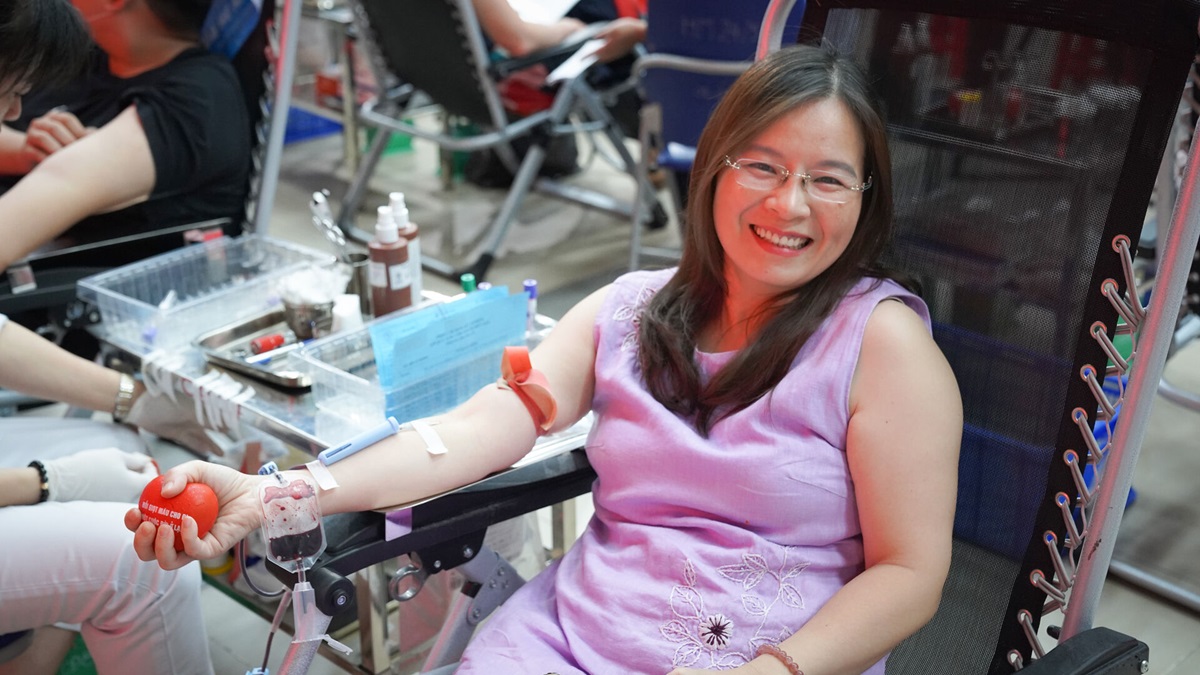
New data released by the World Health Organization indicates that global blood collections increased by nearly 19% between 2013 and 2023. The figures, drawn from 132 countries and covering 97% of the world’s population, show that voluntary unpaid donors contributed to over 85% of the estimated 120 million donations recorded in 2023. This growth underscores the expanding role of unpaid donors in maintaining safe and sustainable blood supplies worldwide.
Despite these aggregate gains, access to safe blood and blood products remains highly unequal. High-income countries, which comprise only 15% of the global population, account for 36% of all blood donations. In contrast, many lower-income nations face persistent shortages driven by limited financing, weak infrastructure, logistical barriers, and insufficient donor recruitment. Donation rates vary dramatically across the globe, ranging from 0.4 to 53 donations per 1,000 population.
The disparity in donor types further illustrates these inequalities. While voluntary unpaid donors account for 98.4% of blood collections in high-income countries, this figure drops to 63.4% in low-income countries. Twenty-four countries reported collecting fewer than 5 blood donations per 1,000 population, reflecting severe constraints in providing timely transfusions for patients, including women experiencing life-threatening bleeding during childbirth, children with severe anaemia, and trauma victims.
Governance and regulatory frameworks also show significant gaps. The WHO analysis reveals that nearly one-third of countries lack specific legislation to ensure the safety and quality of blood and blood products. Furthermore, only 62% of countries have licensing systems in place, and just 40% report that at least some blood transfusion services are accredited. More than one in seven countries reported having neither dedicated government budget allocations nor cost-recovery mechanisms for blood services, raising concerns about long-term sustainability.
Dr Tedros Adhanom Ghebreyesus, WHO Director-General, emphasised that no one should die because safe blood is unavailable when needed. He noted that while the data shows encouraging progress in voluntary donations, it also reminds the world that geographic location still determines access to essential transfusions. The WHO is calling on governments to continue investing in strong, sustainable national blood systems to support the donors whose generosity saves millions of lives annually.
These findings are part of the Global status report on blood safety and availability 2025, which draws on data from 168 countries. The report is being released ahead of World Blood Donor Day on 14 June 2026, under the slogan “One Drop of Humanity. Give Blood. Save Lives.” The campaign aims to recognise the contribution of voluntary unpaid blood donors and highlight how every donation supports patients and strengthens communities.
The WHO urges countries and partners to strengthen governance, ensure sustainable financing, expand quality assurance programmes, and improve clinical transfusion practices. These measures are essential to ensuring universal access to safe, effective, and quality-assured blood and blood products, regardless of where people live. The data highlights the need for evidence-based decision-making to support resilient health systems globally.