Health care in armed conflicts faces worsening crisis a decade after UN resolution
A joint statement marks the tenth anniversary of UN Security Council Resolution 2286, describing the current situation as a failure of political will rather than a failure of the law itself.
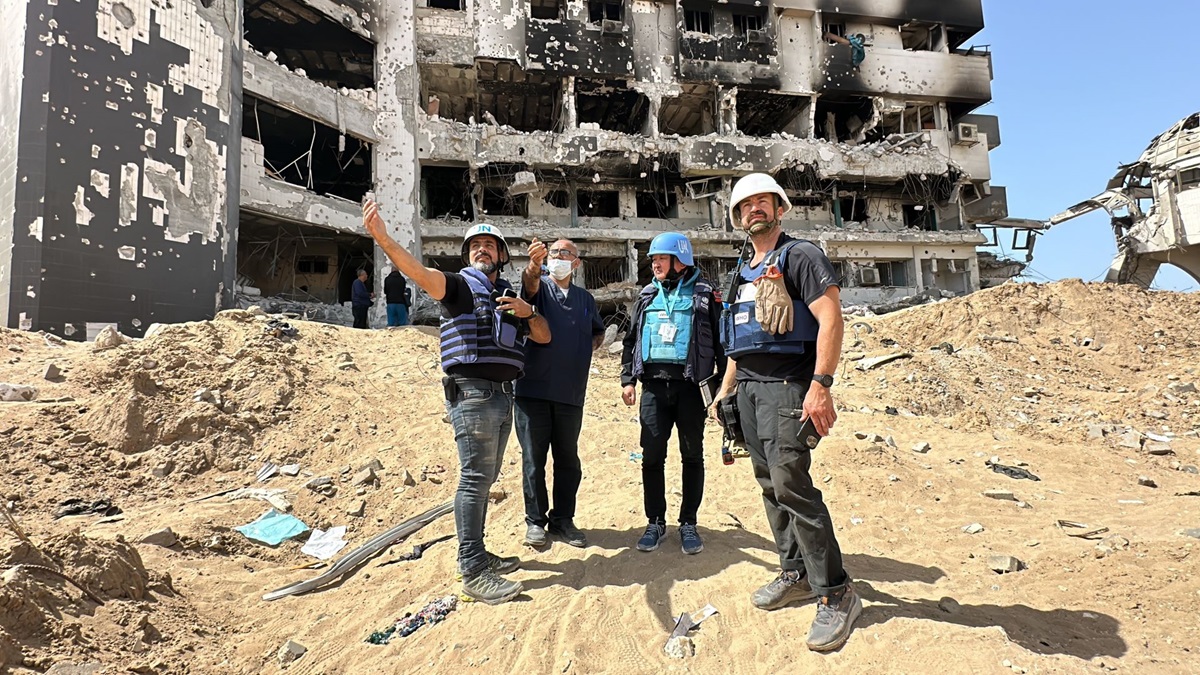
The heads of the International Committee of the Red Cross, the World Health Organization and Médecins Sans Frontières have issued a joint statement marking the tenth anniversary of UN Security Council Resolution 2286. The leaders declared that the situation regarding health care in armed conflicts has deteriorated rather than improved since the resolution was adopted a decade ago.
According to the statement, medical facilities, transport and personnel continue to face attacks in contexts where the harm the resolution sought to prevent has not diminished but has, in many cases, intensified. The three organisations note that hospitals are being reduced to rubble while ambulances face delays and obstruction, leaving patients to die from otherwise treatable wounds.
The leaders characterised the current state of affairs not as a failure of international humanitarian law itself, but as a failure of political will among world leaders. They stated that when health care is no longer safe, it serves as a clear warning sign that the rules and norms intended to limit the harm of war are breaking down.
In the joint call, the organisations urged states and all parties to conflict to urgently implement measures to comply with international humanitarian law and protect medical services. They emphasised that the obligation under international law to respect and ensure respect for medical personnel and facilities in all circumstances requires states to use all possible influence to ensure other parties to conflict do the same.
The statement references the recommendations of the UN Secretary-General that accompanied Resolution 2286 as a clear, actionable roadmap for states. The ICRC, WHO and MSF noted they stand ready with their presence in conflict settings, medical expertise and operational capacity to support states in implementing these critical measures.
Additionally, the leaders recalled World Health Assembly Resolution 65.20, adopted in 2012, which introduced systematic documentation and reporting of attacks on health care by the WHO. They argued that strengthening consistent and transparent reporting is essential to building the evidence base, informing prevention and response, and supporting accountability.
The joint statement concludes with a call upon all states to urgently implement specific measures to prevent another decade of deteriorating norms and unjustifiable violence affecting health care in conflict settings. The leaders asserted that health care must never be a casualty of war and urged world leaders to act to end this violence.