WHO member states adopt major reforms on health recruitment, antimicrobial resistance and radiation safety
Member States have approved critical amendments to the global health workforce code, a new strategy for economic health integration, and a decade-long action plan to combat antimicrobial resistance.
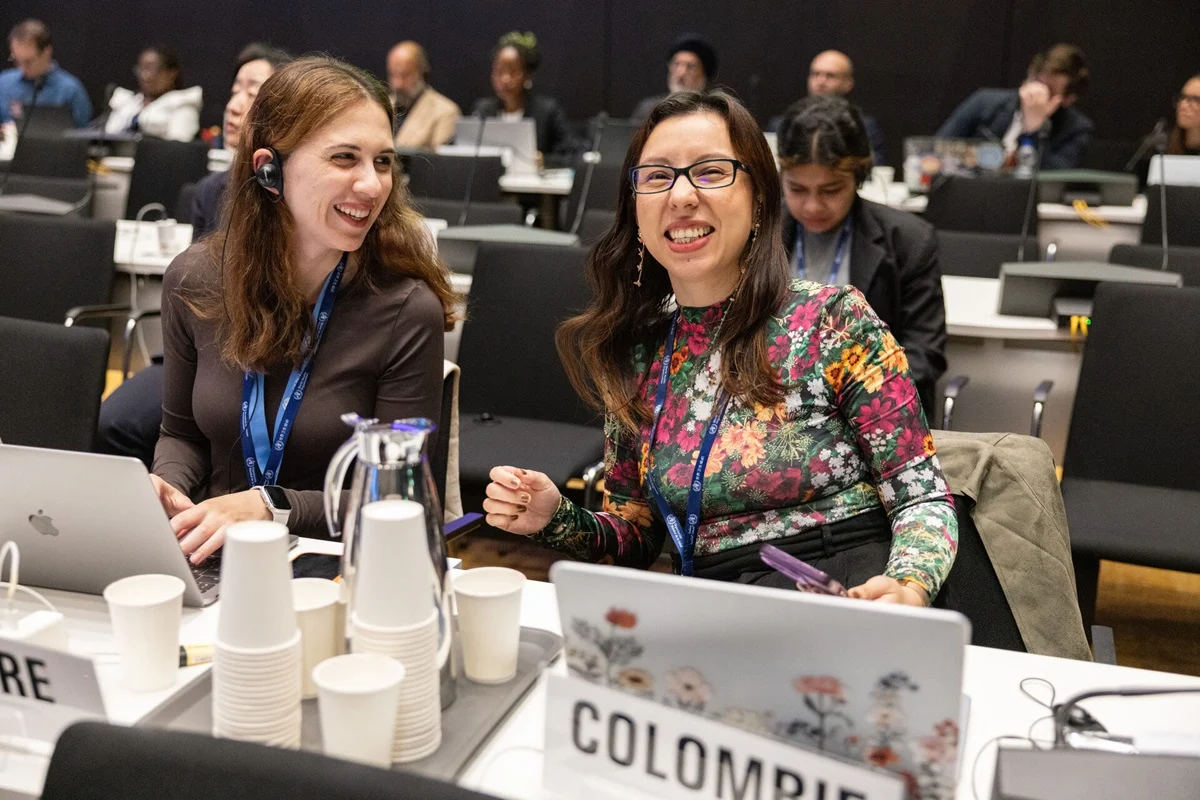
The Seventy-ninth World Health Assembly concluded in Geneva on 23 May 2026, with Member States adopting more than 20 decisions and 13 resolutions addressing a wide spectrum of public health challenges. The proceedings covered technical issues ranging from stroke and liver disease to tuberculosis and precision medicine, alongside significant political and administrative agreements. Among the most consequential outcomes was an agreement to reform the global health architecture through a joint process that is led by Member States and hosted by the World Health Organization.
A central focus of the assembly was the approval of critical amendments to the WHO Global Code of Practice on the International Recruitment of Health Personnel. Marking the first update to the code in 16 years, the revisions incorporate provisions for care workers recruited internationally and clarify the code’s applicability during emergencies. The updated framework encourages co-investment in health systems to ensure that international recruitment yields proportional benefits for both source and destination countries, a move aimed at supporting universal health coverage and global health security.
The assembly also adopted the Strategy on the economics of health for all (2026–2030), designed to align economic systems with health, equity, and sustainable development. Delegates emphasised the deep interconnection between health and economic prosperity, calling for coordinated government approaches that place well-being at the centre of policy and financing decisions. The strategy aims to integrate health systematically into economic, fiscal, and industrial policies, addressing what Member States described as a global health financing emergency.
In a significant move for environmental health, countries agreed on a comprehensive resolution on radiation and health, the first of its kind to cover both ionizing and non-ionizing radiation. The resolution commits nations to strengthening national protection systems, monitoring exposure, and scaling up prevention efforts for natural sources such as ultraviolet radiation and radon. It also highlights the need for safe and equitable use of radiation in medical imaging and radiotherapy, with progress reports to be submitted to the assembly in 2028.
Countries further renewed their commitment to tackling antimicrobial resistance by approving the Global Action Plan on Antimicrobial Resistance (GAP-AMR) for 2026–2036. The plan aims to achieve a 10 per cent reduction in bacterial AMR-associated deaths in humans by 2030, building on data indicating that one in six common bacterial infections were resistant to treatment in 2023. Emphasising a One Health approach, the strategy focuses on preserving the effectiveness of antimicrobials across human, animal, and plant sectors while reducing environmental pollution from resistant microbes.
During the closing ceremony, WHO Director-General Dr Tedros Adhanom Ghebreyesus presented ceremonial gavels to the Assembly President, Dr Víctor Atallah Lajam of the Dominican Republic, and Committee Chairs Dr Timur Sultangaziyev of Kazakhstan and Dr Kwabena Mintah Akandoh of Ghana. Dr Tedros underscored that the value of these resolutions lies in their ability to change outcomes in clinics and communities, requiring sustained political commitment and cooperation to ensure health workers have the resources needed to save lives.