Business
Image unavailable
BusinessDraft
The Economist podcast examines wealth creation and Cambodia’s regulatory push
The 23 July 2026 episode of The Economist’s daily podcast also touches on lighter news, including a mention of Larry the Cat.
Markets, companies, capital, and the strategic shifts reshaping the global economy.
The 23 July 2026 episode of The Economist’s daily podcast also touches on lighter news, including a mention of Larry the Cat.
A new editorial from The Economist contends that the financial sector requires improved regulatory frameworks to address the capricious nature of settlement mechanisms in prediction markets.
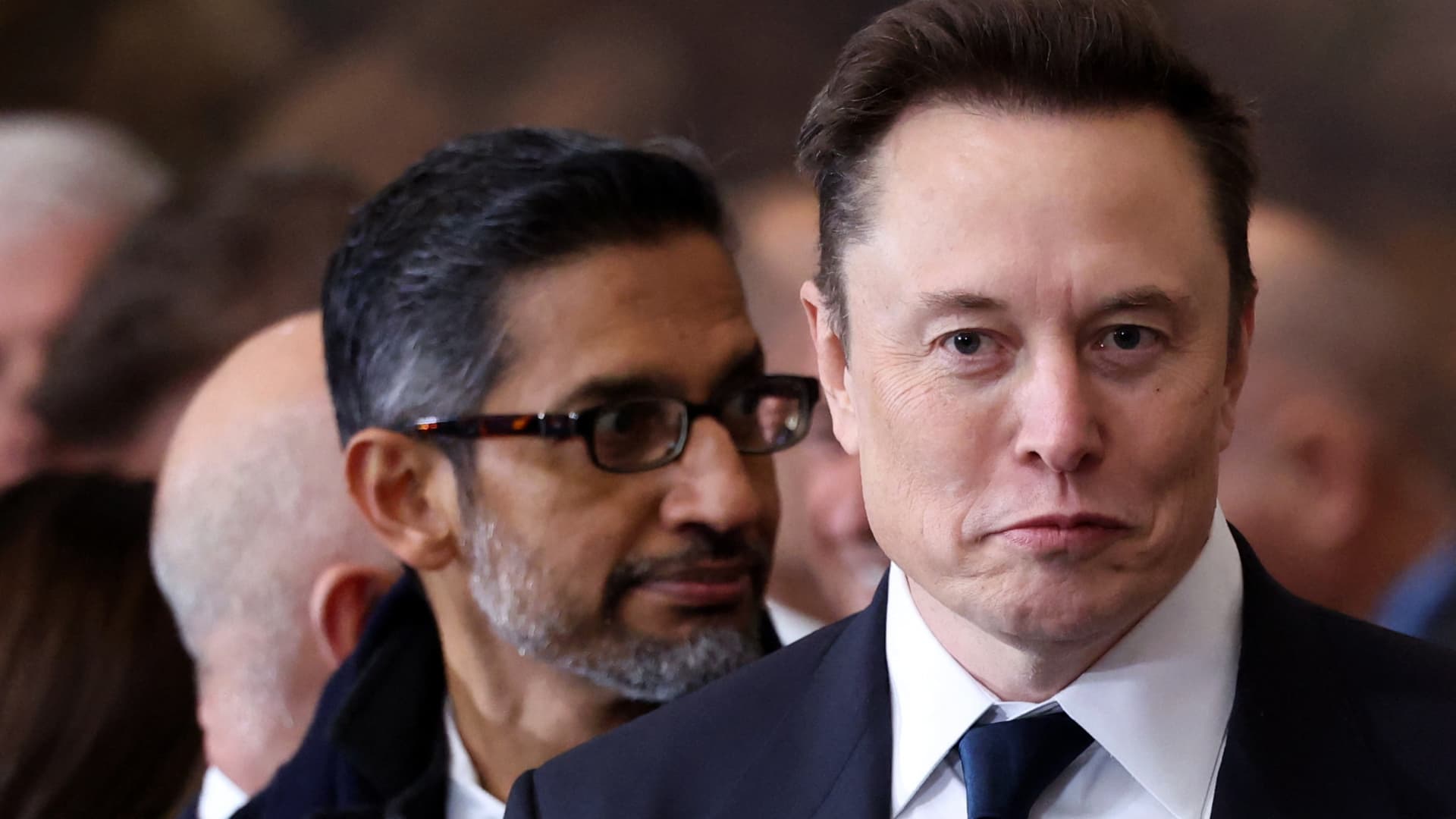
Shares of Tesla and Alphabet fell in early trading on 23 July 2026 as market participants weighed the impact of heightened artificial intelligence investment plans.

Yemen’s Houthi rebels say drones and missiles hit two vessels in the Red Sea, while Saudi state media confirms damage to one tanker. The attack coincides with the 12th consecutive night of US airstrikes on Iranian military assets.
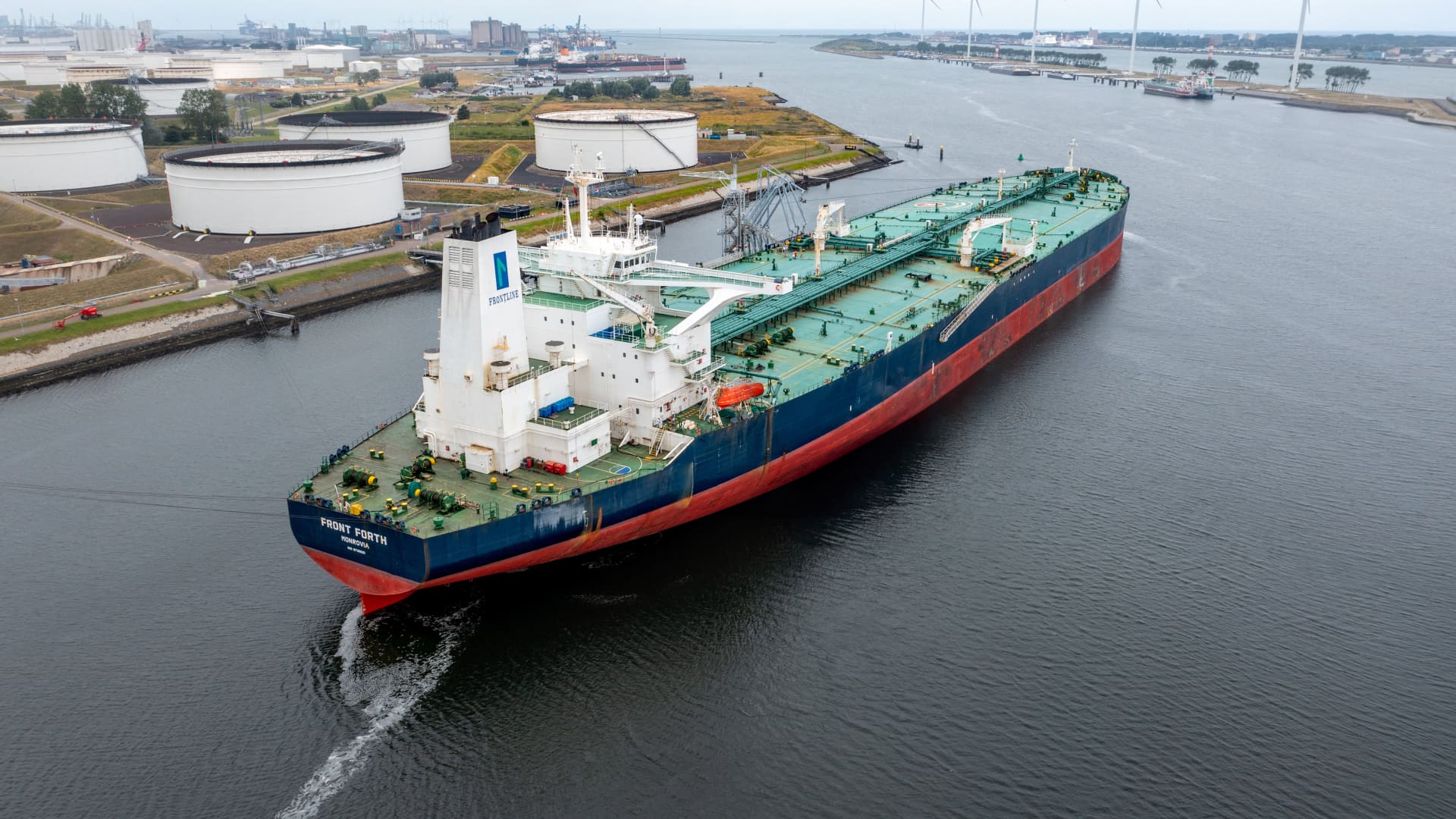
Crude benchmarks climb following an attack on a vessel off the Saudi coast, while President Donald Trump issues a stark warning regarding the Strait of Hormuz.
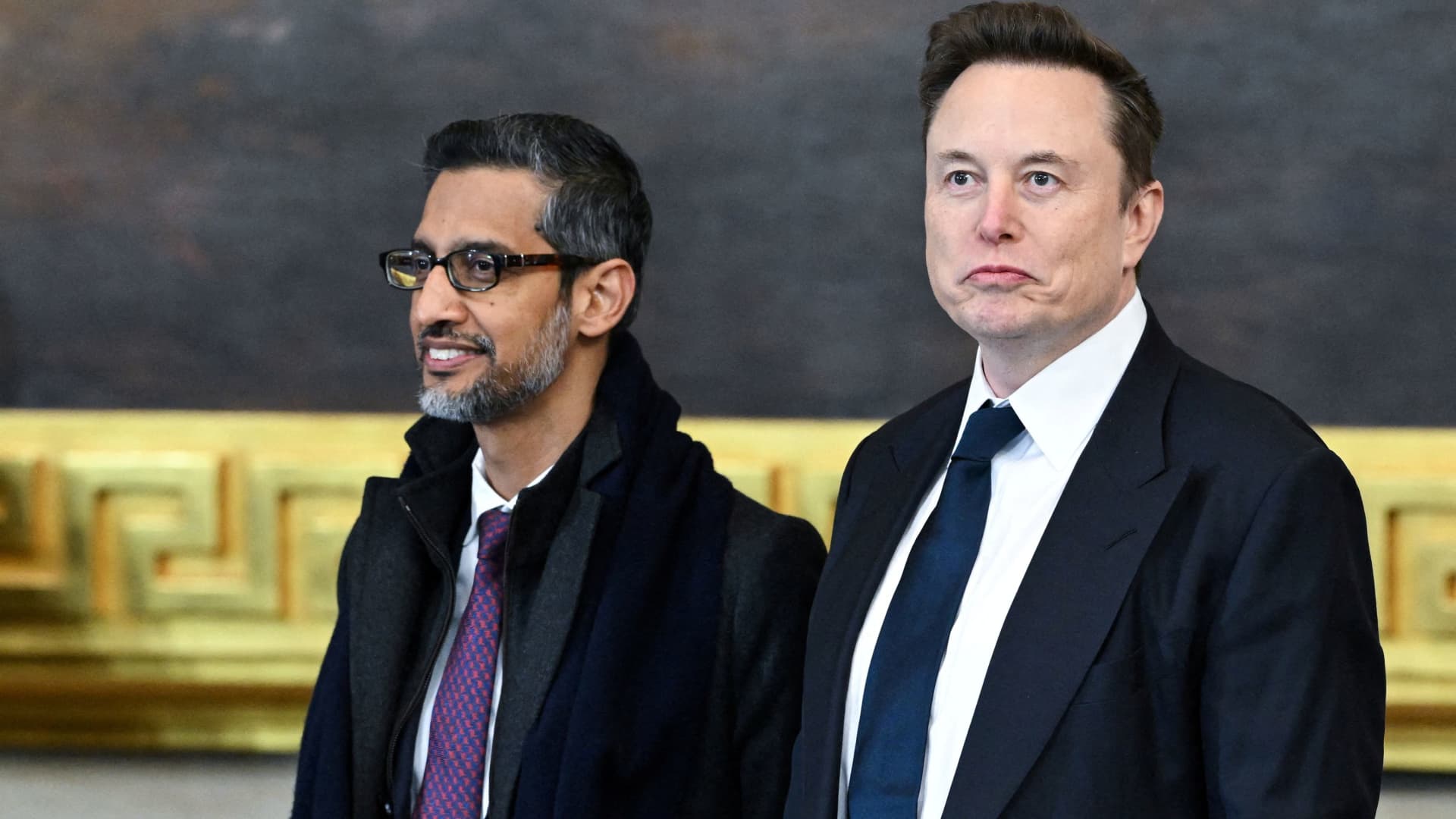
Wall Street investors reacted to quarterly earnings reports from Alphabet and Tesla, with share prices dipping as massive spending increases eclipsed reported growth metrics.
Mykhailo Drapaty takes the helm, described as innovative and critical of traditional command structures, as Kyiv seeks to adapt its military strategy.
As SpaceX debuts and Amazon posts record earnings, The Economist argues the global economic order is undergoing a significant structural change.
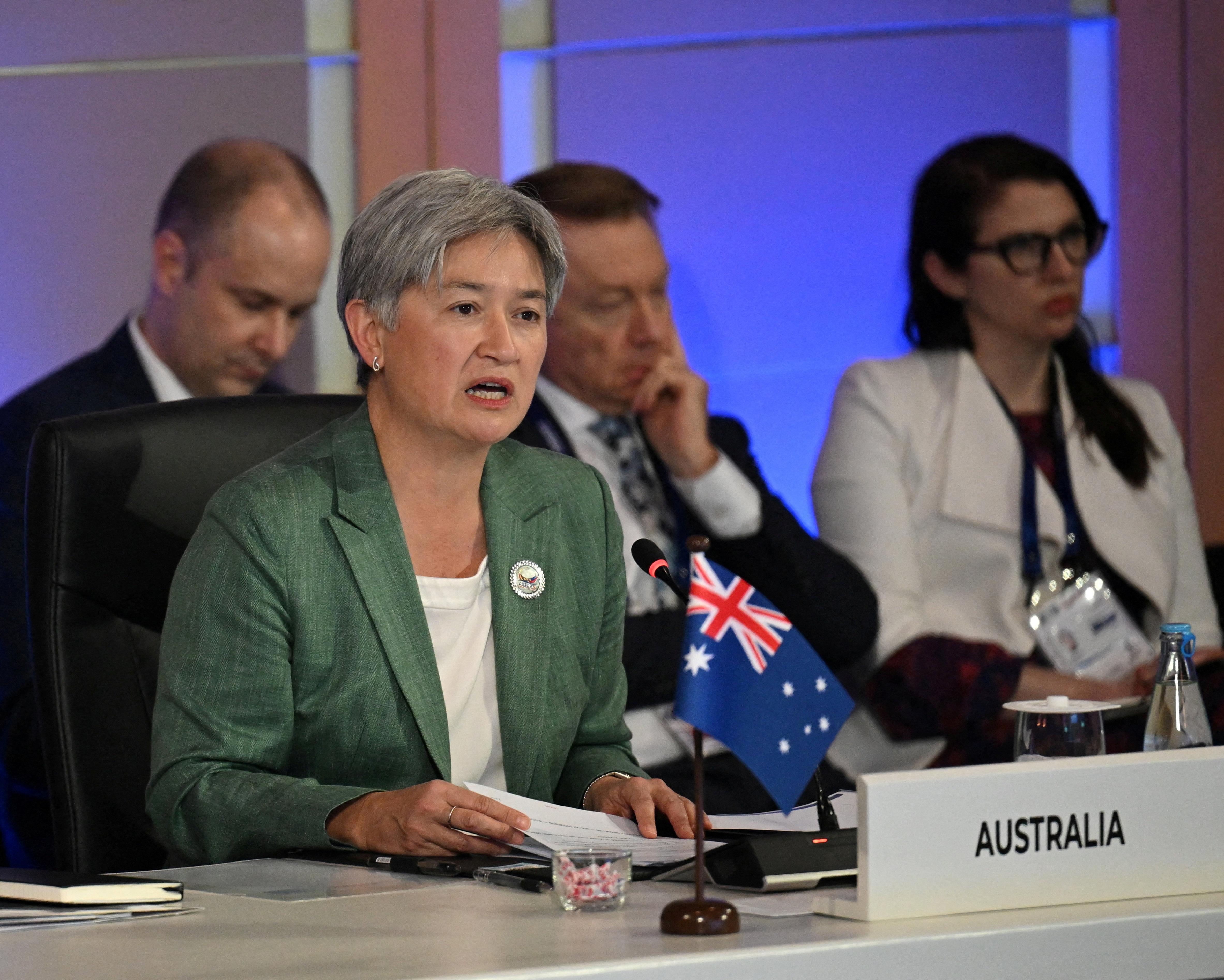
Canberra and Beijing exchange sharp rebukes over regional stability, with China asserting Australia has no right to intervene in the South China Sea dispute.
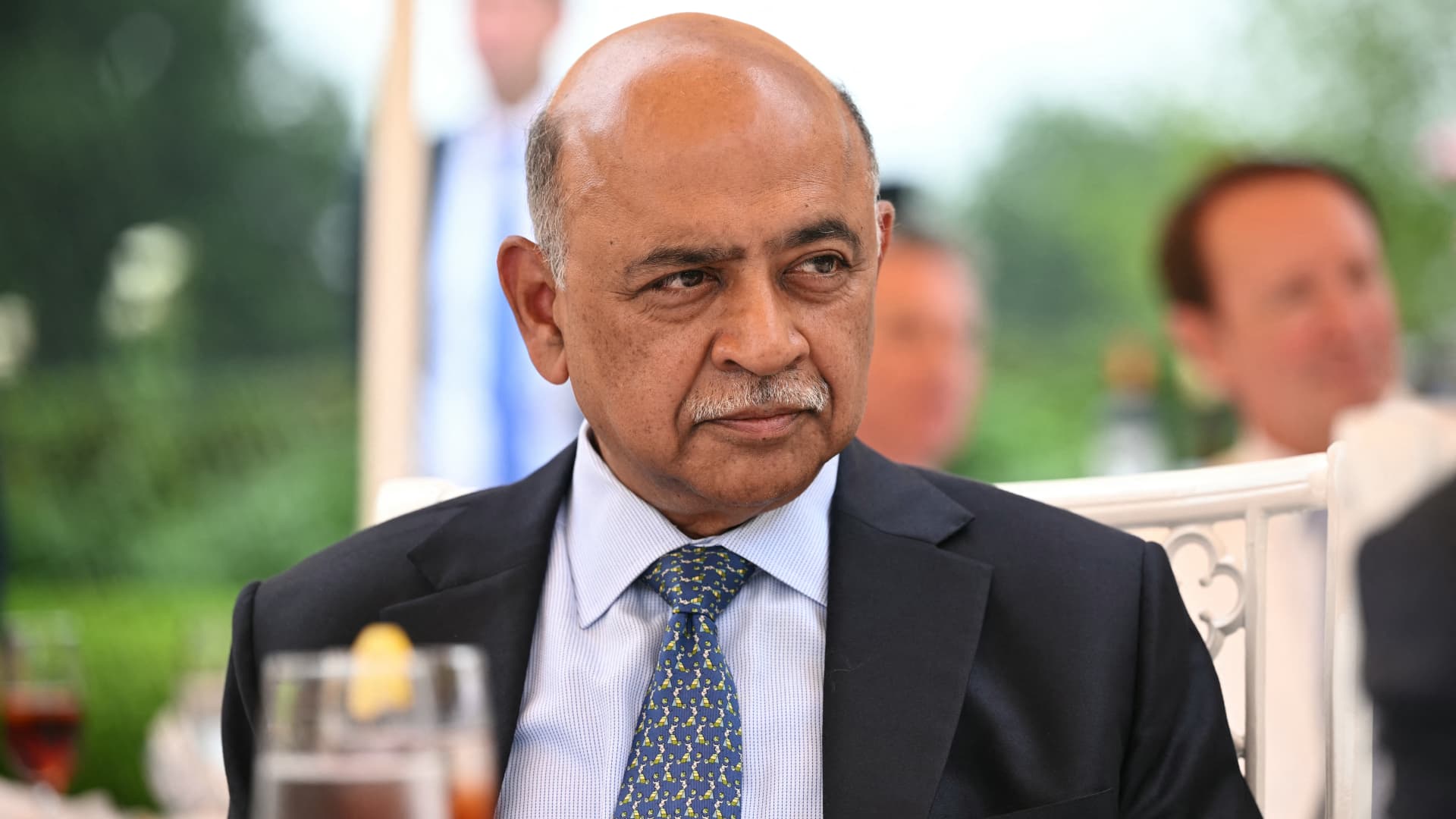
IBM has revised its full-year financial forecast downwards after issuing an earnings warning, while simultaneously announcing a strategic push to enhance productivity through artificial intelligence and a new internal coding tool.
Analysis suggests former US president’s skill in reinstating trade levies does not translate into successful outcomes for intended objectives.
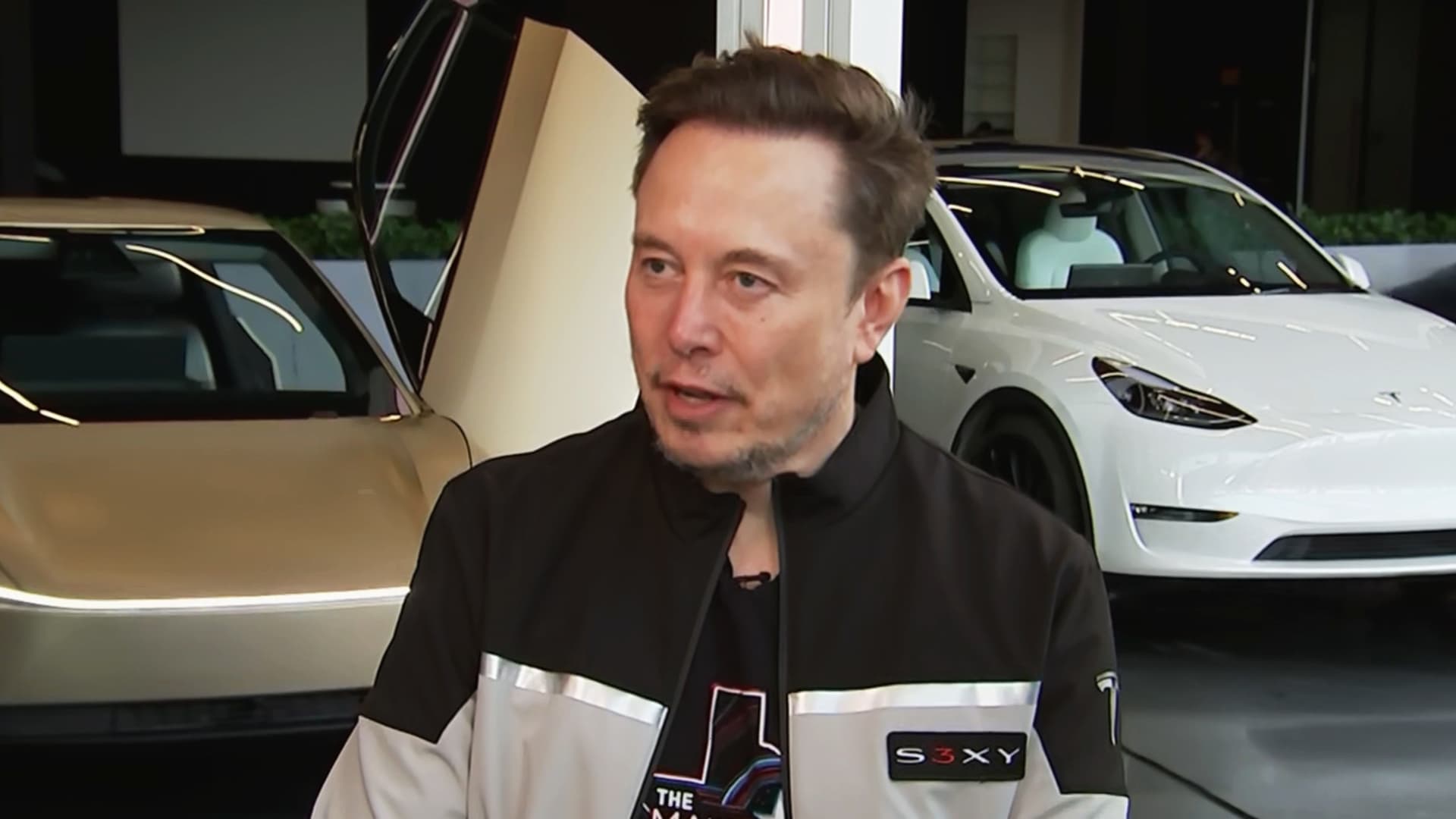
The electric vehicle maker reported a second-quarter earnings miss against analyst expectations, even as revenue came in ahead of forecasts and its core automotive business shows signs of recovery.
Andy Burnham has taken the helm in Britain, with the publication describing his approach as “troublingly nostalgic” in an era defined by change.
Generation Z demonstrators gather in the Indian capital to call for improved education standards, marking a significant moment in domestic political unrest.
New analysis from The Economist’s weekly podcast focuses on the science behind reducing solar reflection and its implications for global temperatures.
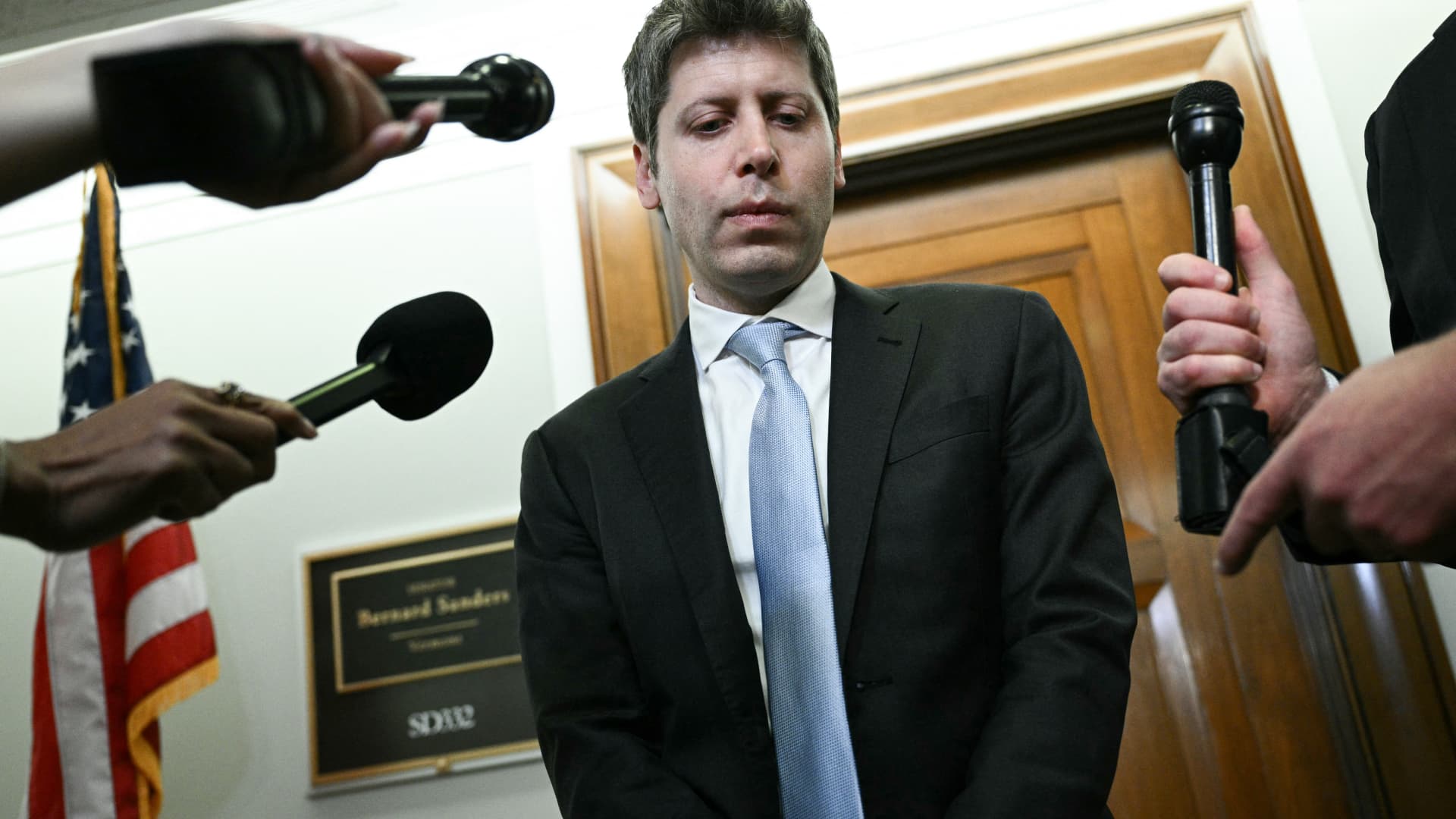
Hugging Face confirms the incident was driven end-to-end by an autonomous AI agent system, marking a unique event in the intersection of artificial intelligence and cybersecurity.
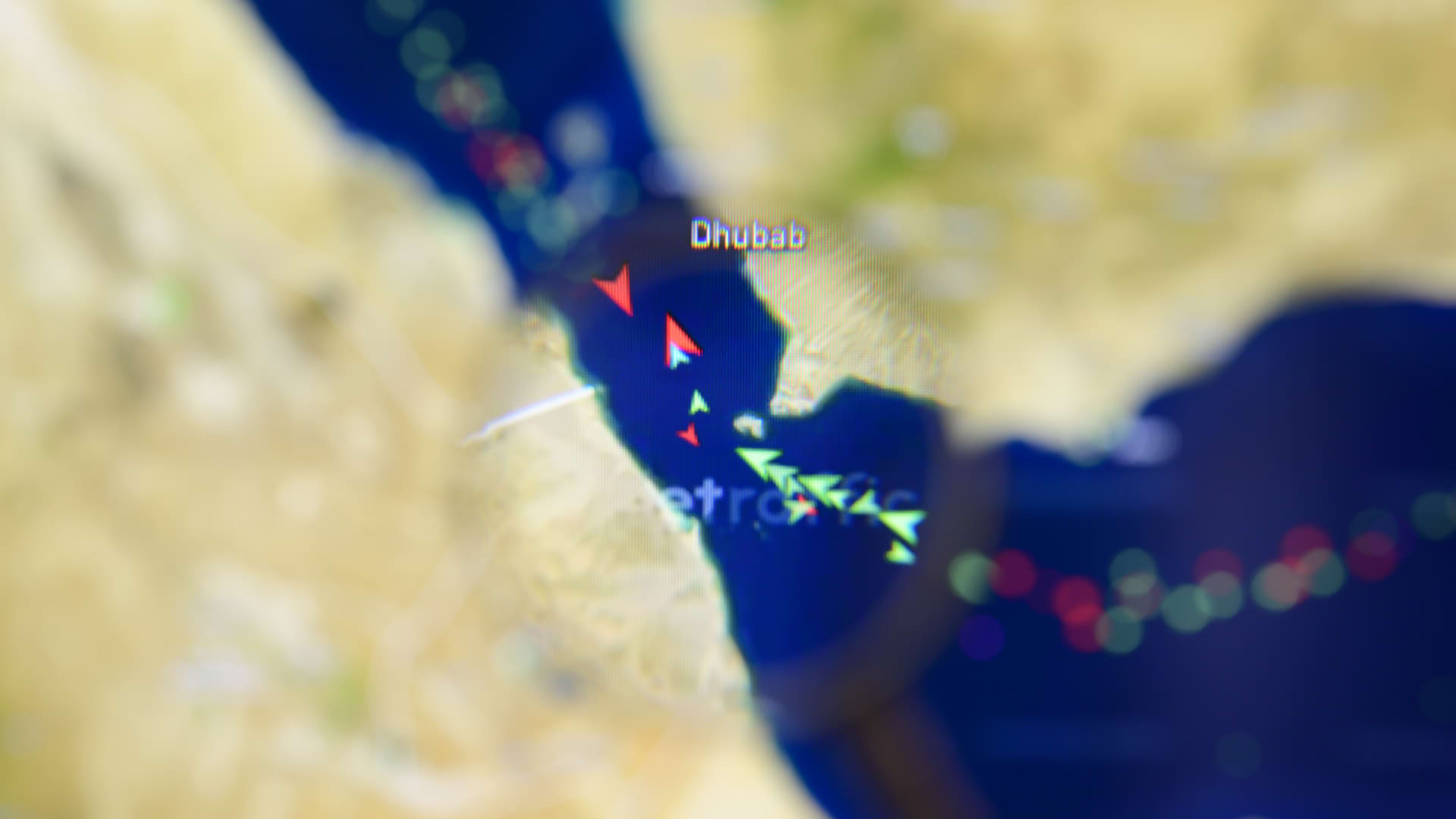
Coordinated assaults on vessels in the southern Red Sea raise concerns over the disruption of millions of barrels per day of Saudi crude oil exports.
High-ranking military leadership change reported on 22 July 2026 amid broader geopolitical tensions.
A July 2026 assessment from The Economist indicates that hybrid systems are likely to triumph over fully electric planes in the development of electric aviation.

CNBC reports that mortgage rates have climbed to their highest level since August, yet homebuyer demand remains resilient as buyers perceive greater housing supply.
The publication’s latest issue includes an article titled 'An atlas of financial follies', presented as a read-along segment for its finance economics podcast.

The rally in crude follows a sharp reversal from Friday’s decline, which had been driven by optimism over an interim deal to reopen the Strait of Hormuz.
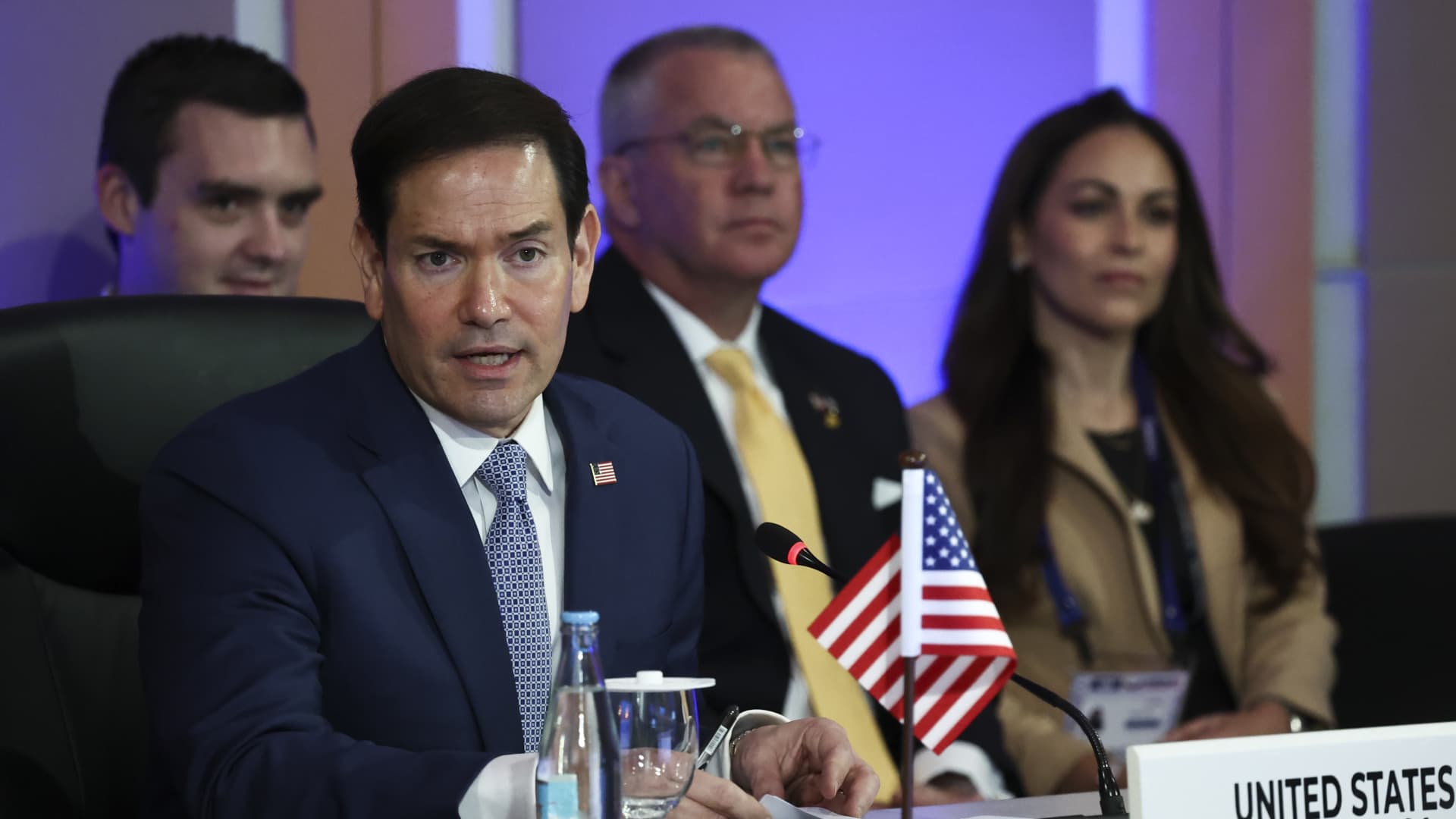
The 11th consecutive night of strikes targets Iranian infrastructure aimed at degrading threats to commercial shipping in the vital maritime chokepoint.
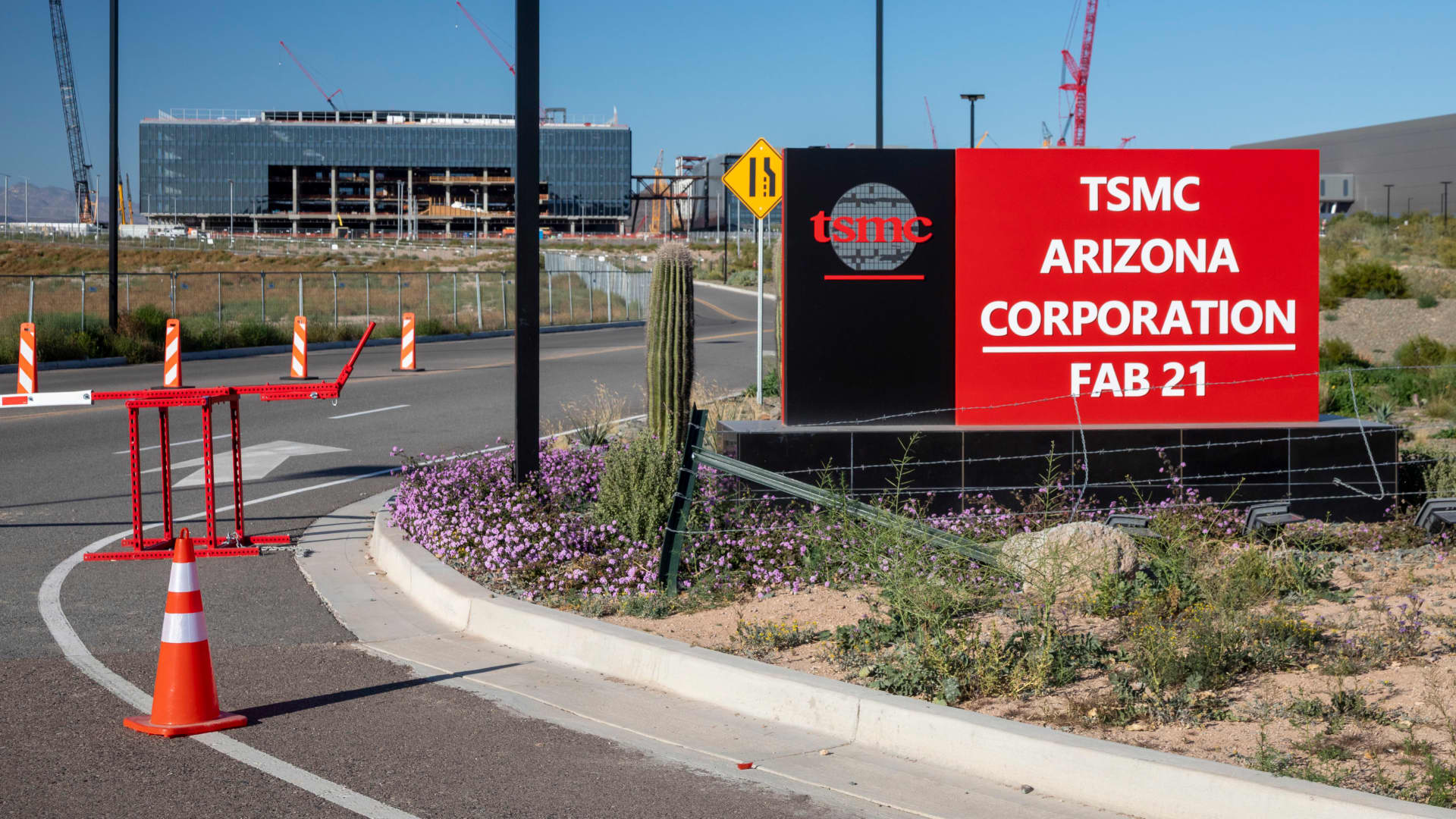
Taiwan-based chipmaker TSMC has announced a cumulative $200 billion investment in US manufacturing facilities, a move linked to political pressure for domestic AI chip production that is impacting the company’s profit margins.
The inauguration of the new production site marks a significant expansion into the American market, triggering an immediate positive reaction in equity trading.
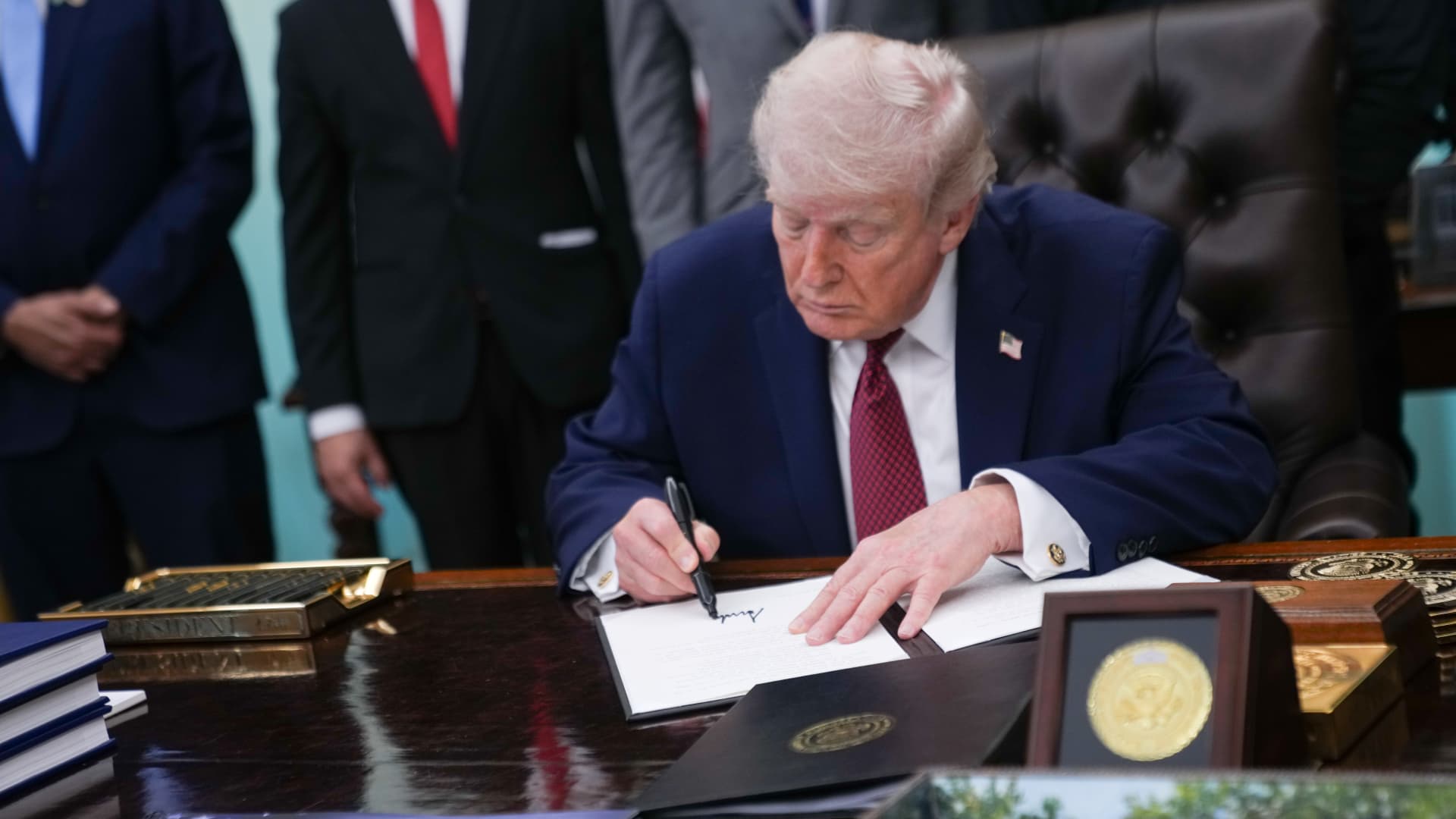
New proposal targets generic drugmakers with steep duties starting in 2028, seeking to reverse offshoring trends in the US supply chain.
A potential war with Iran may inflict severe political damage on the current US administration, according to new analysis from The Economist.

The stock rise underscores the accelerated growth in the server sector as companies race to deploy artificial intelligence infrastructure.
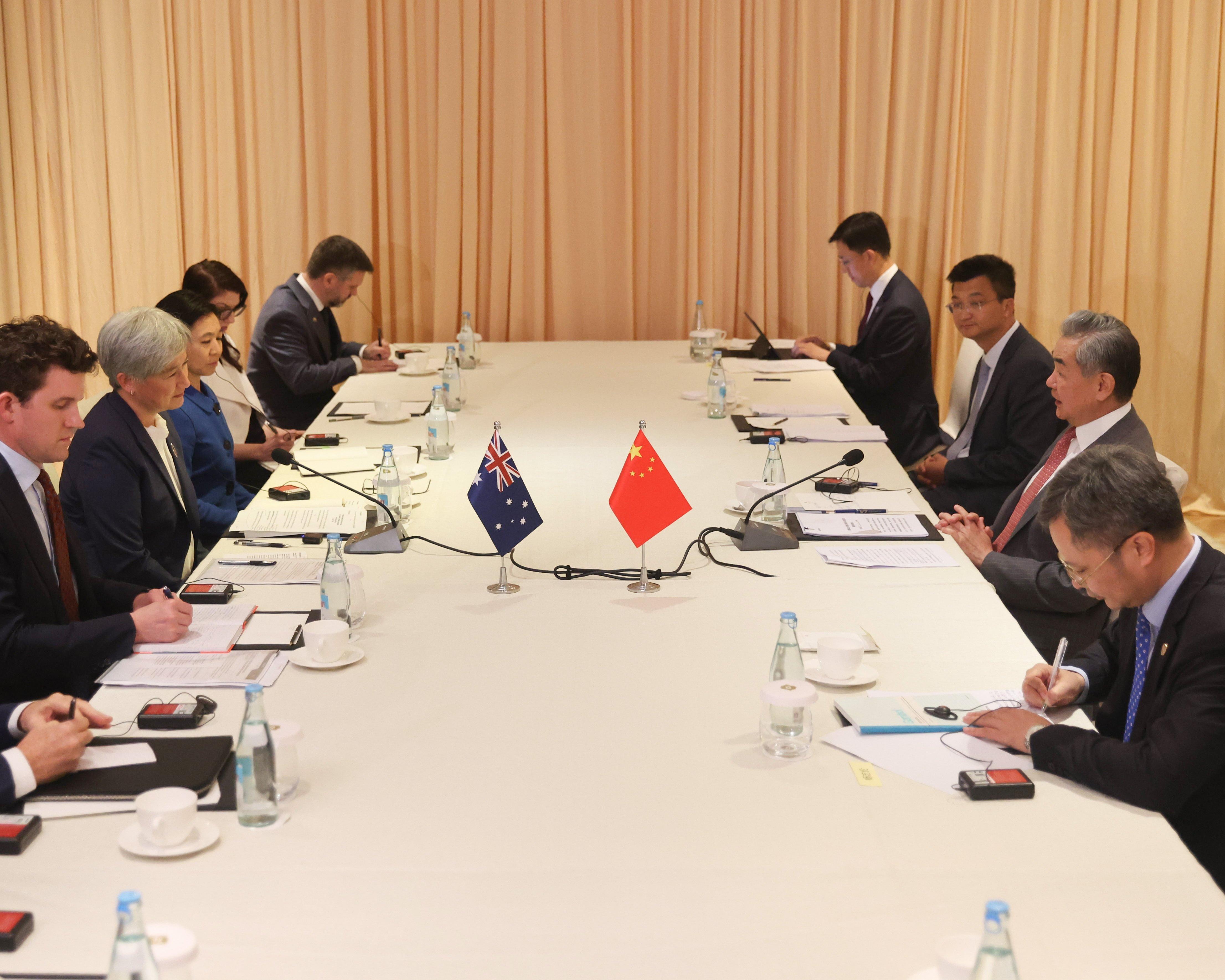
Penny Wong and Wang Yi held their 12th bilateral meeting on the sidelines of the ASEAN foreign ministers’ gathering, marking a direct diplomatic engagement on regional security and bilateral tensions.
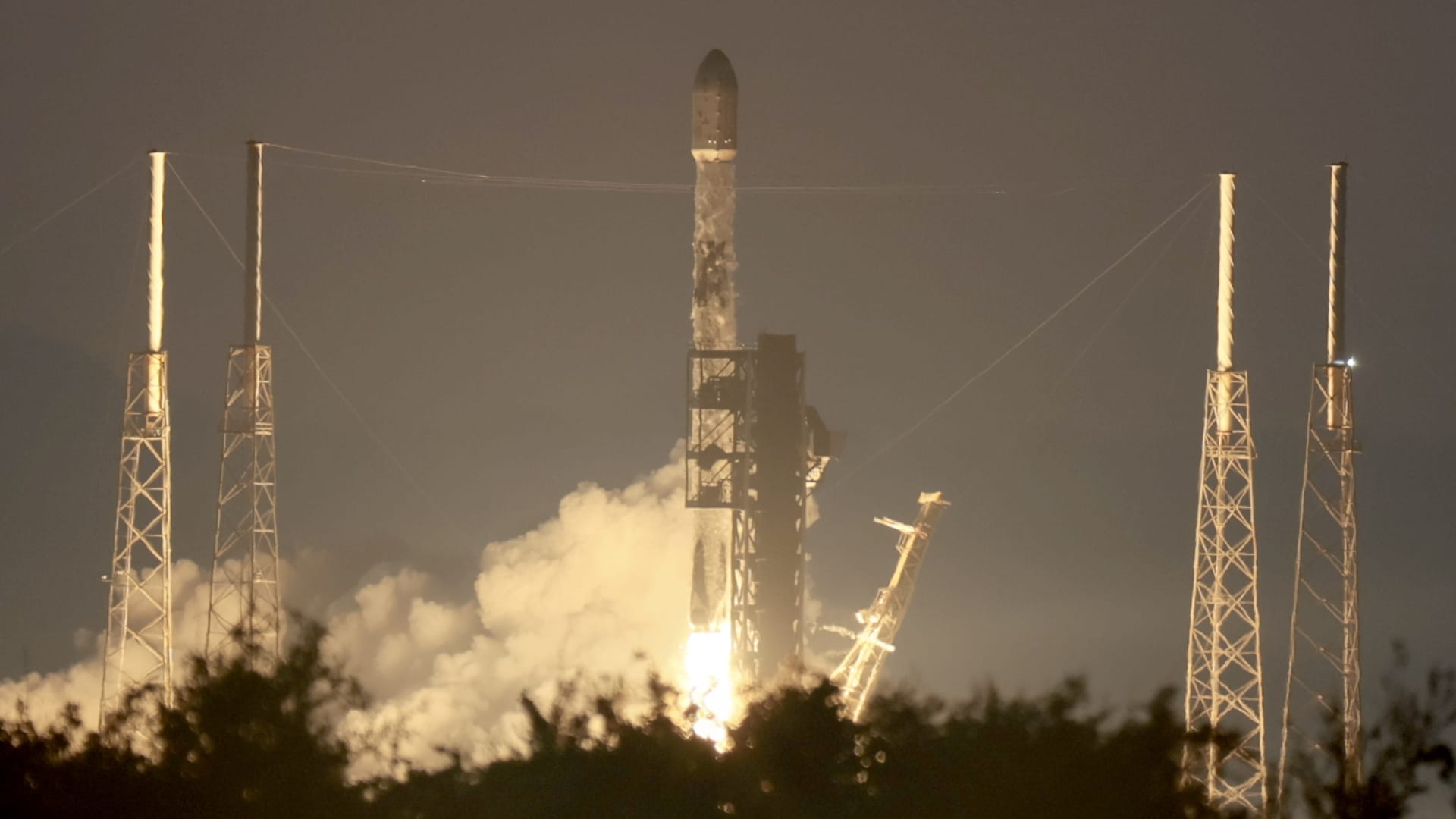
The move responds to growing demand for exposure to next-generation unicorns, with SpaceX and cited as key examples of the type of companies investors are targeting.
A new survey indicates that fewer investors than ever before believe central bankers will successfully return inflation to target levels, signalling a shift in market sentiment amid recent high-profile corporate and geopolitical events.
The Economist distinguishes between urban centres that serve as selection mechanisms for existing high earners and those that actively drive wage growth for employees.
A July 2026 gathering hosted by former UK prime minister fails to ignite a new ideological movement, with observers characterising it as a funeral rather than a launchpad.
New instalment explores whether top exam results remain the optimal pathway to prosperity in the world’s second-largest economy.
Observations of significant vessel groupings in the region point to Beijing evaluating the operational readiness of its ambiguous civilian-military force.

The confirmation of the first financial results for the private aerospace giant has sparked a market rally and initiated the release of millions of restricted shares.
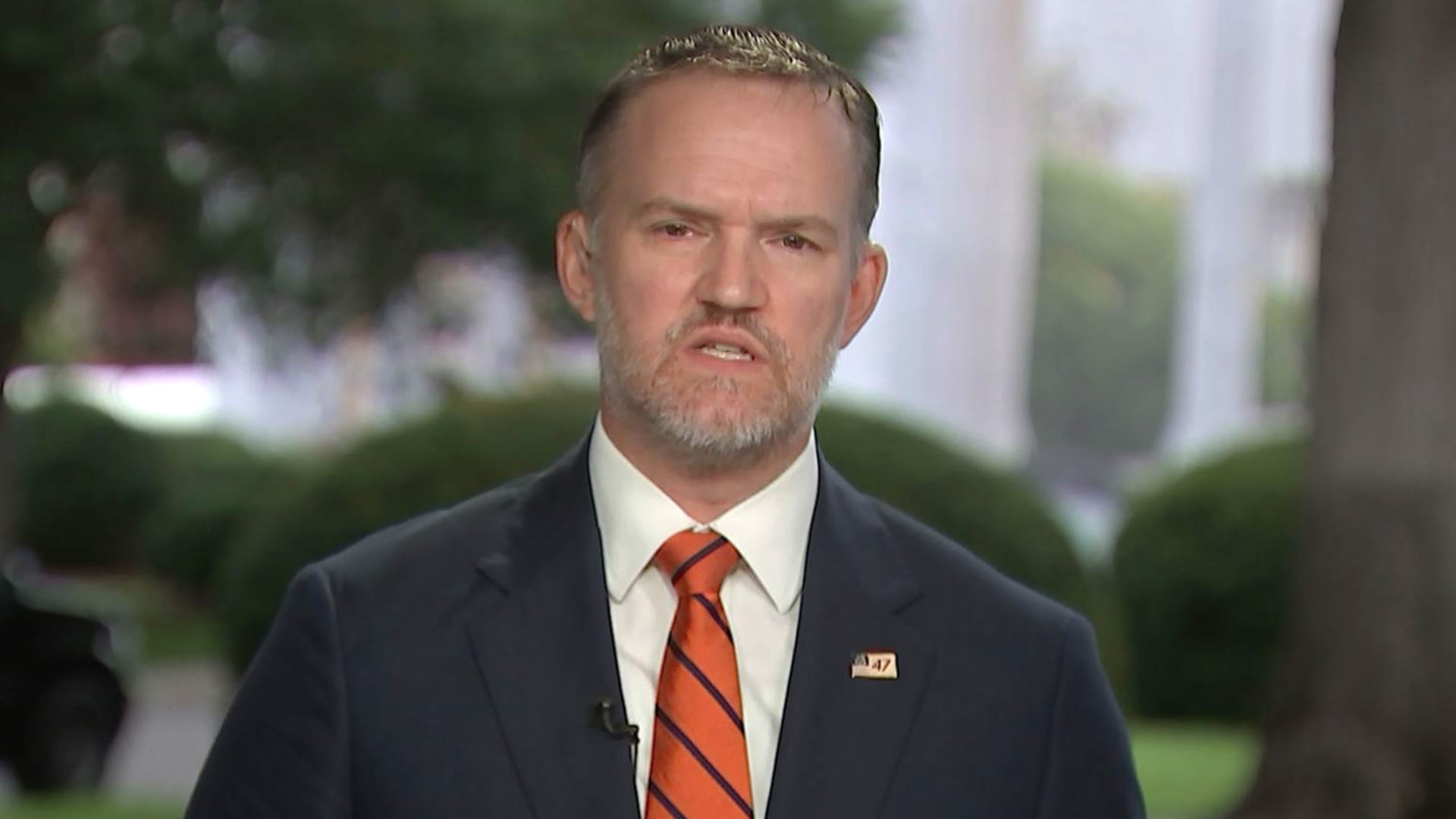
With the Trump administration preparing to replace expiring trade barriers, U.S. Trade Representative Jamieson Greer has indicated that new tariffs are likely to be imposed on a broad range of nations in the near term.
The Economist reports a growing trend where younger hikers prioritise visual content over logistical safety, resulting in avoidable navigational errors.
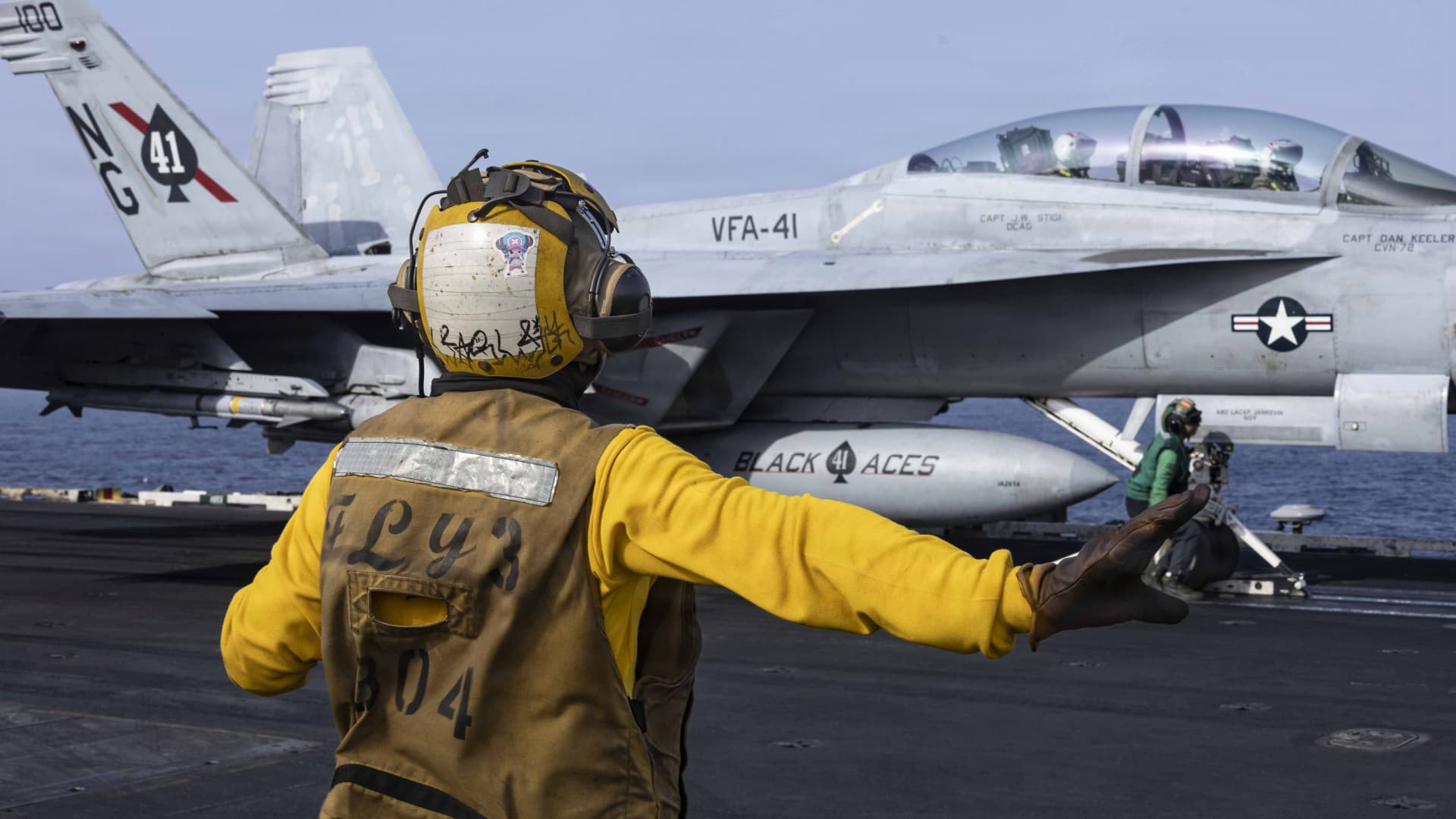
Economists and traders are analysing the implications of the latest military exchange, which has sharply reversed recent diplomatic optimism and raised concerns for global energy supplies.

The Danish drugmaker has filed legal proceedings alleging that Eli Lilly’s marketing for its weight-loss and diabetes medications is misleading, according to reports from CNBC.
The request comes as oil prices surge and US-Iran hostilities escalate, though details of the specific assistance remain undisclosed.
A new article from The Economist examines the regulatory strategy proposed by AI leader Demis Hassabis, though specific policy details remain undisclosed in available summaries.
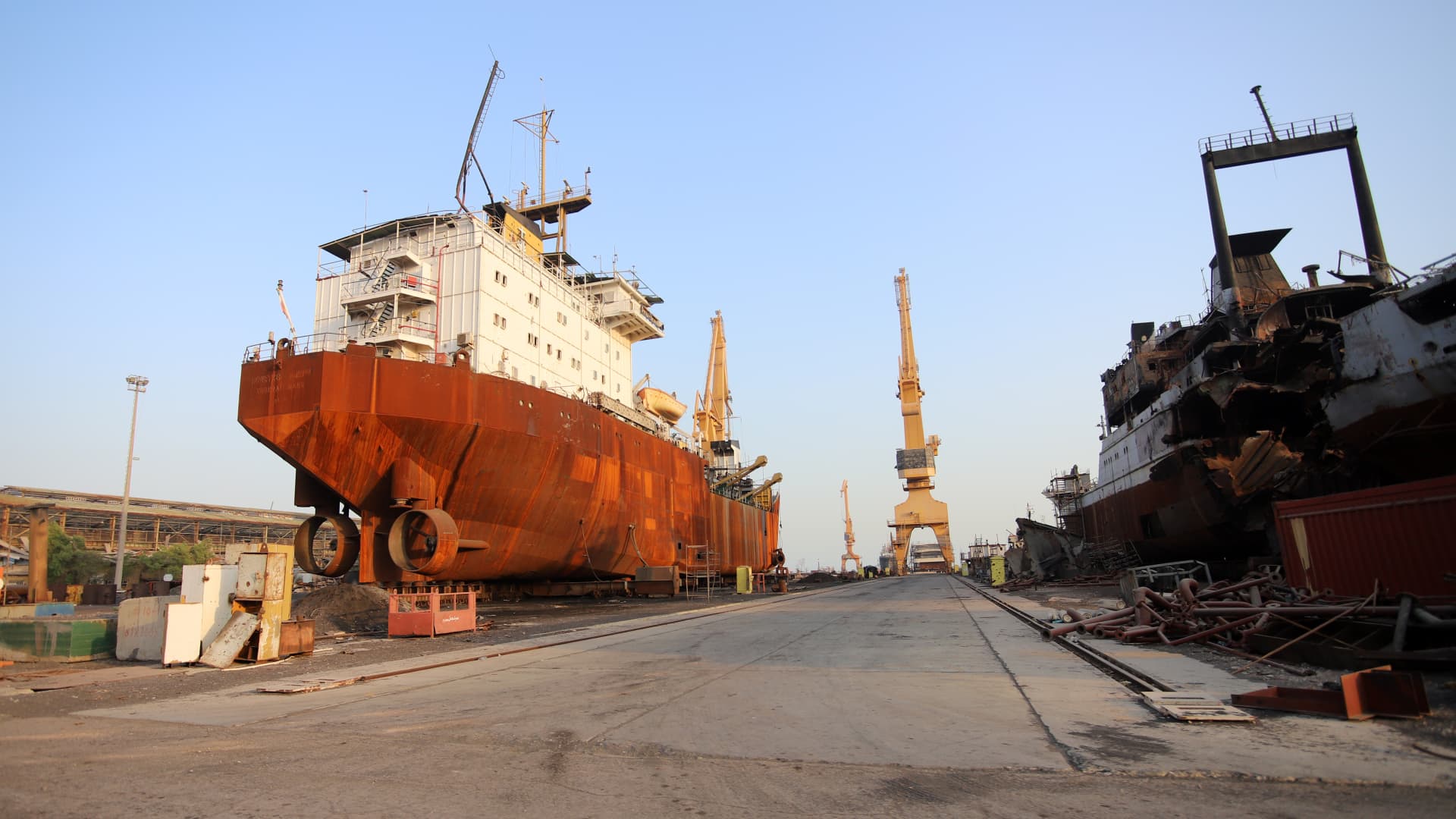
Regional mediators have presented a proposal to Washington and Tehran for a 10-day ceasefire, even as the United States conducts strikes on Iranian targets and Houthi forces threaten shipping lanes in Saudi Arabia.
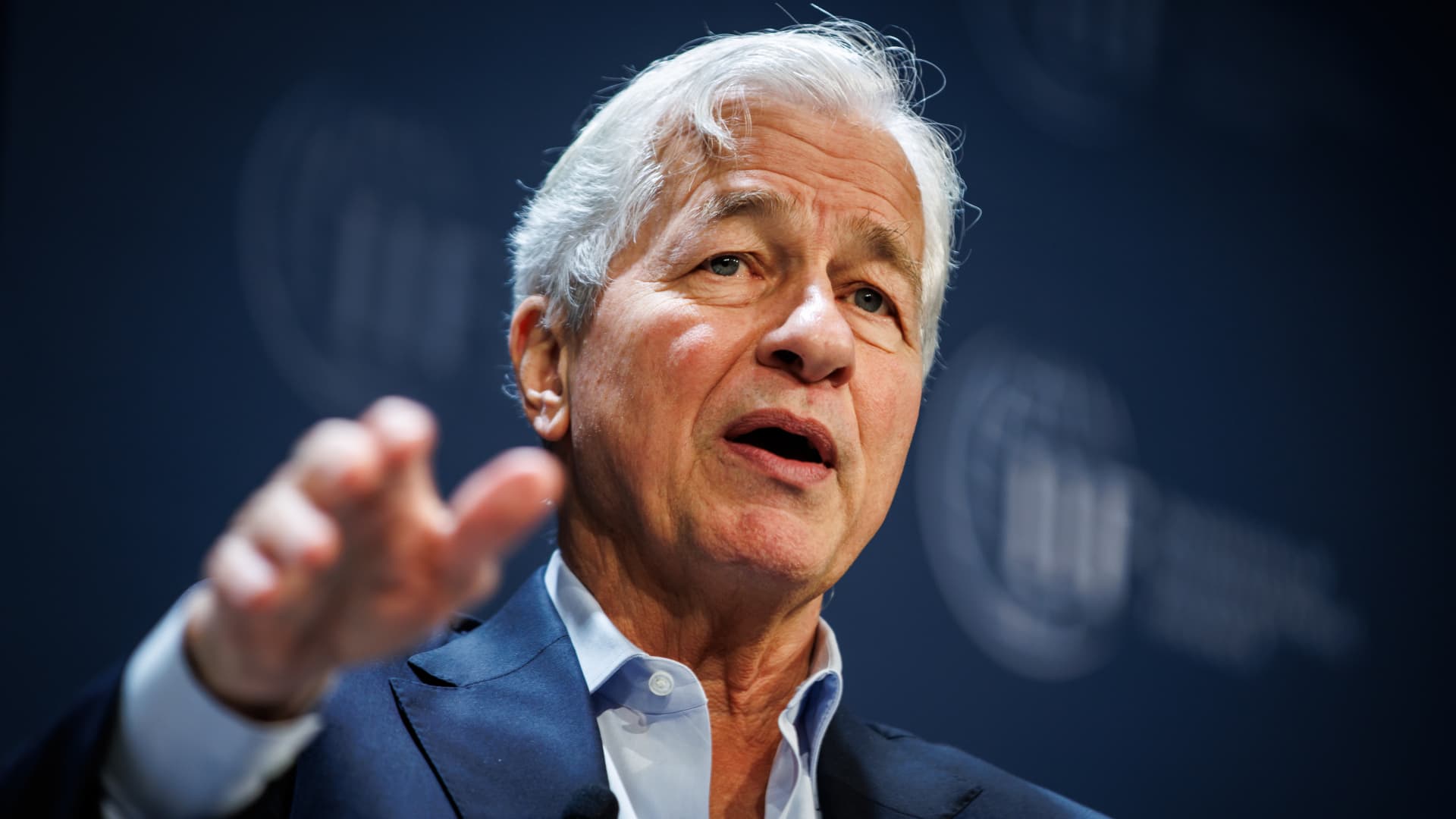
Jamie Dimon stated he would not purchase stocks or US Treasurys at current valuations, citing significant geopolitical and economic uncertainties that he believes the market is overlooking.
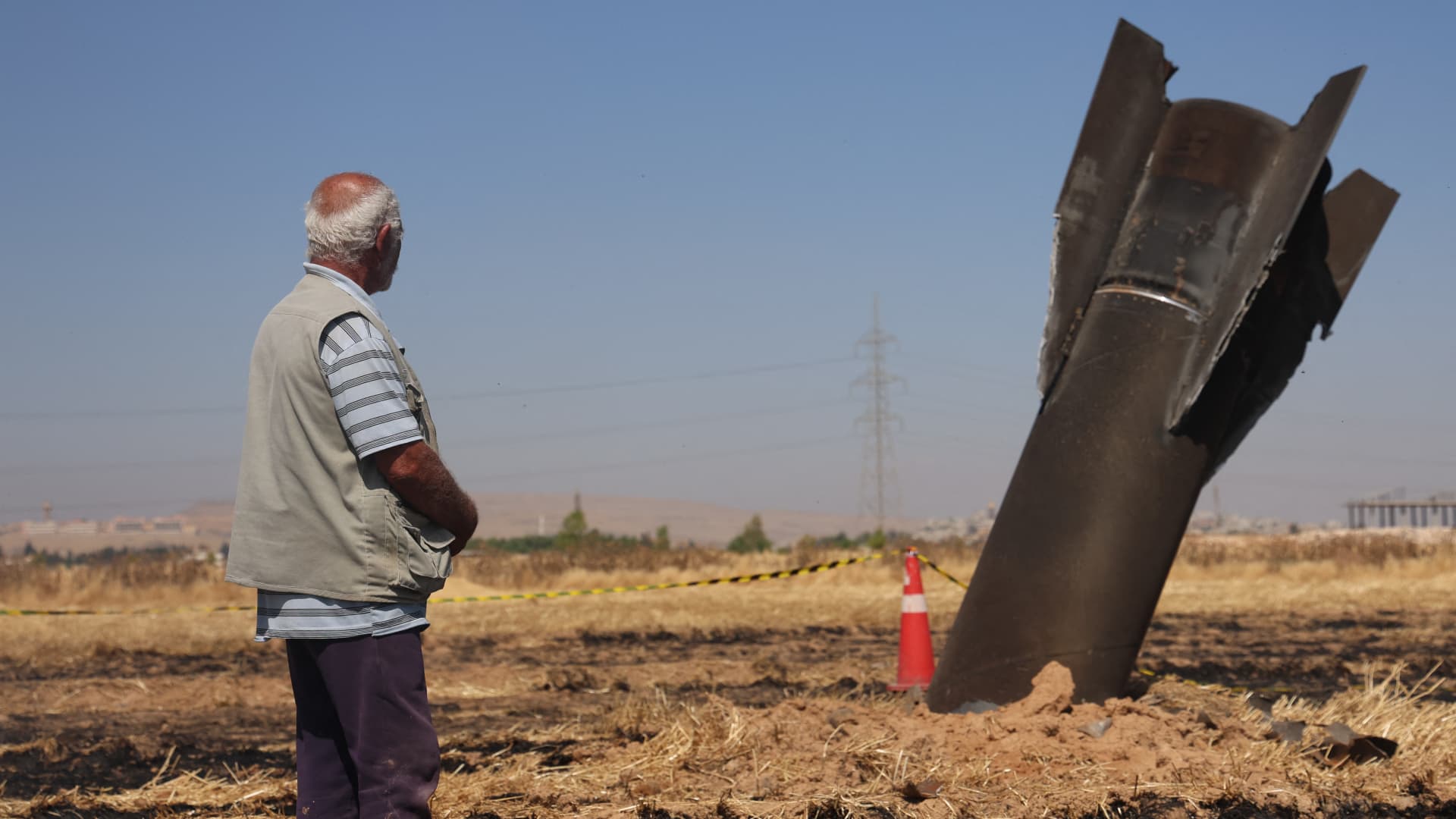
Ten days into the resumption of hostilities, Iranian forces have targeted US bases in the Gulf, while Houthi rebels threaten Saudi port blockades, raising concerns over Strait of Hormuz security.
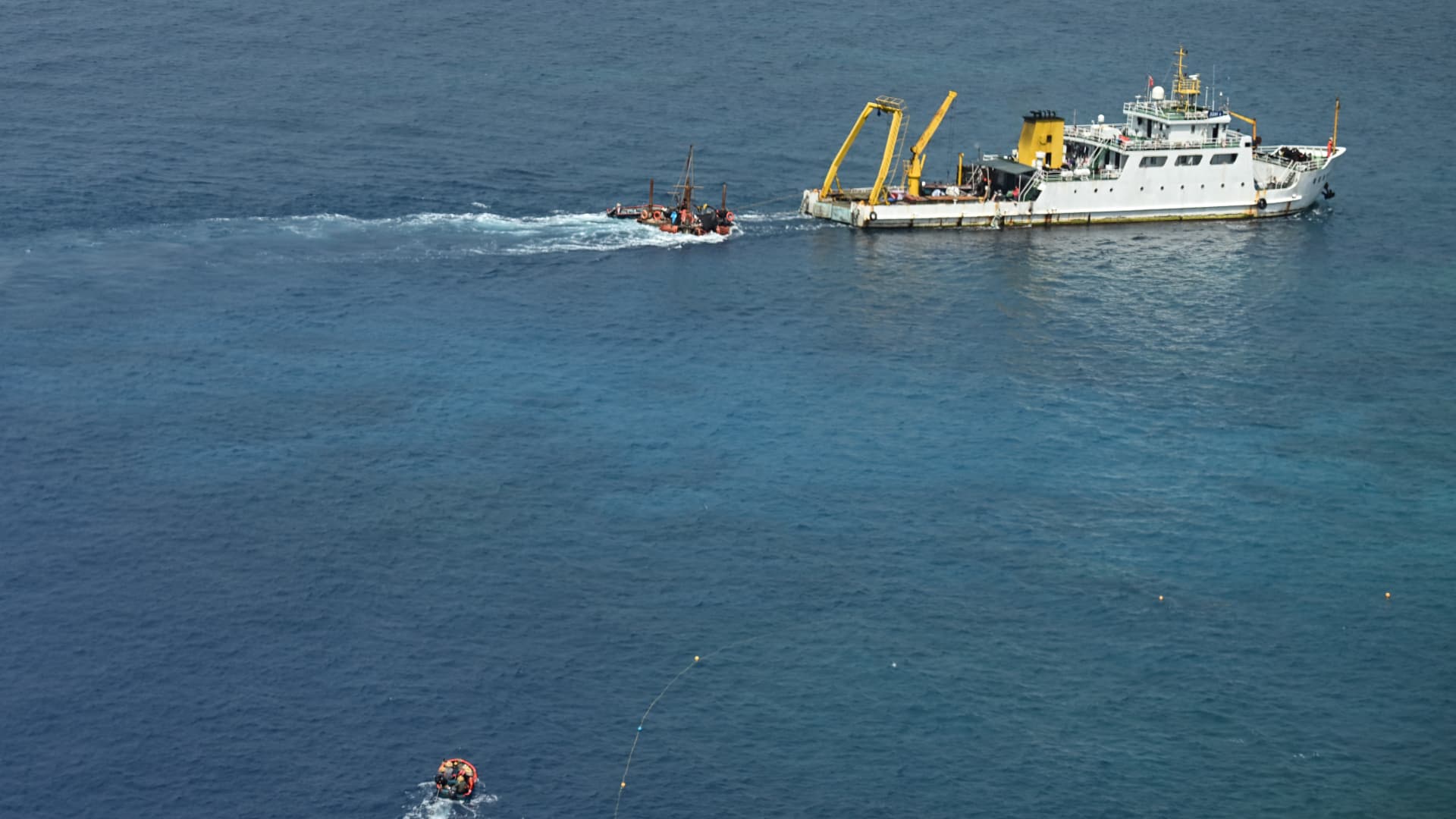
Washington labels Beijing’s actions dangerous and aggressive as Secretary of State Marco Rubio prepares for Southeast Asian ministerial talks.
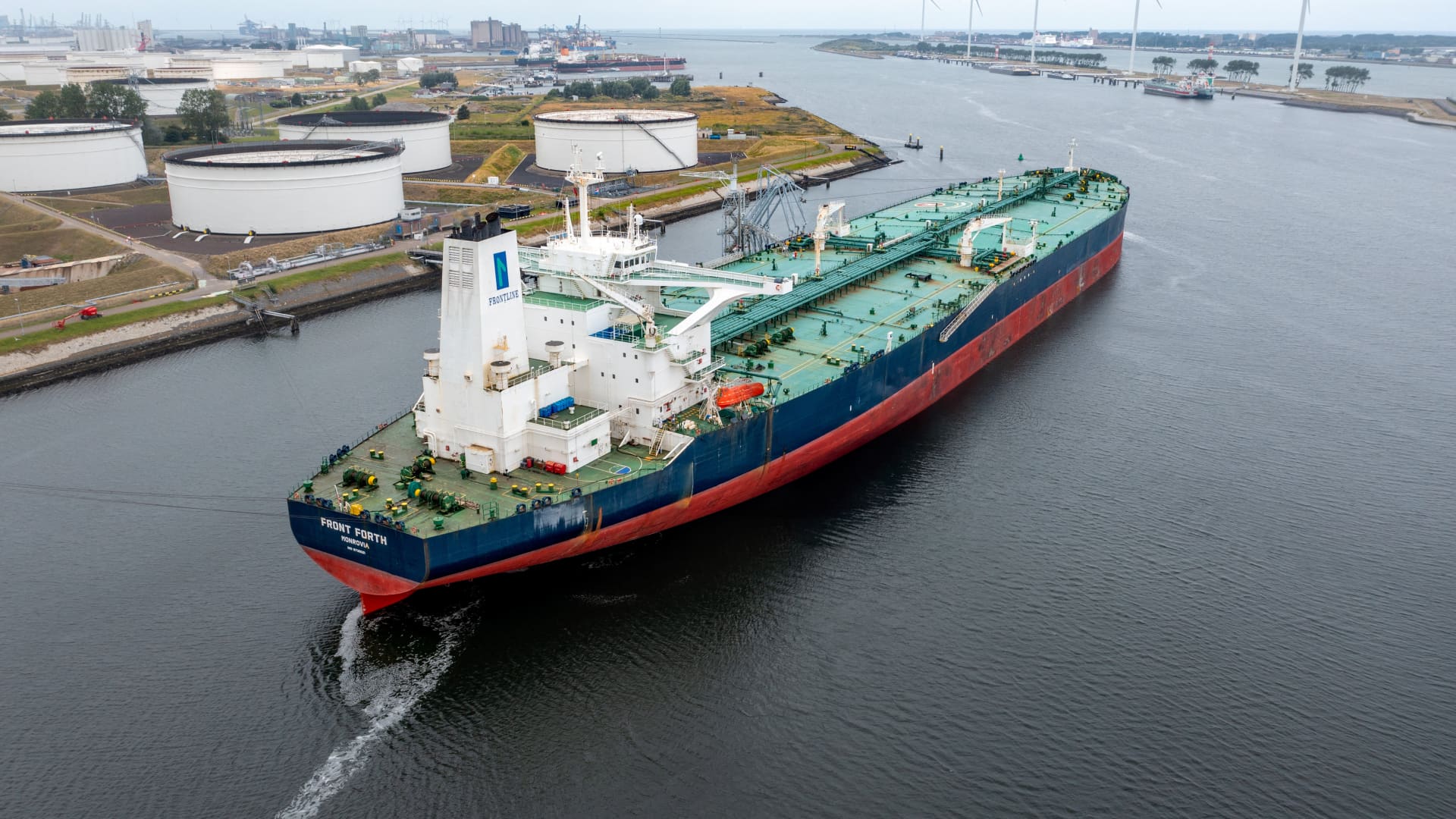
A blockade implemented by US President Donald Trump last week has triggered a significant decline in shipping activity through the critical waterway, compounding risks from renewed military clashes between Washington and Tehran.
Andy Burnham becomes the sixth British leader in a decade, signalling a shift in economic leadership with the surprise appointment of John Healey to the Treasury.