Oil prices surge as Trump threatens Iran after Saudi tanker strike
Crude benchmarks climb following an attack on a vessel off the Saudi coast, while President Donald Trump issues a stark warning regarding the Strait of Hormuz.
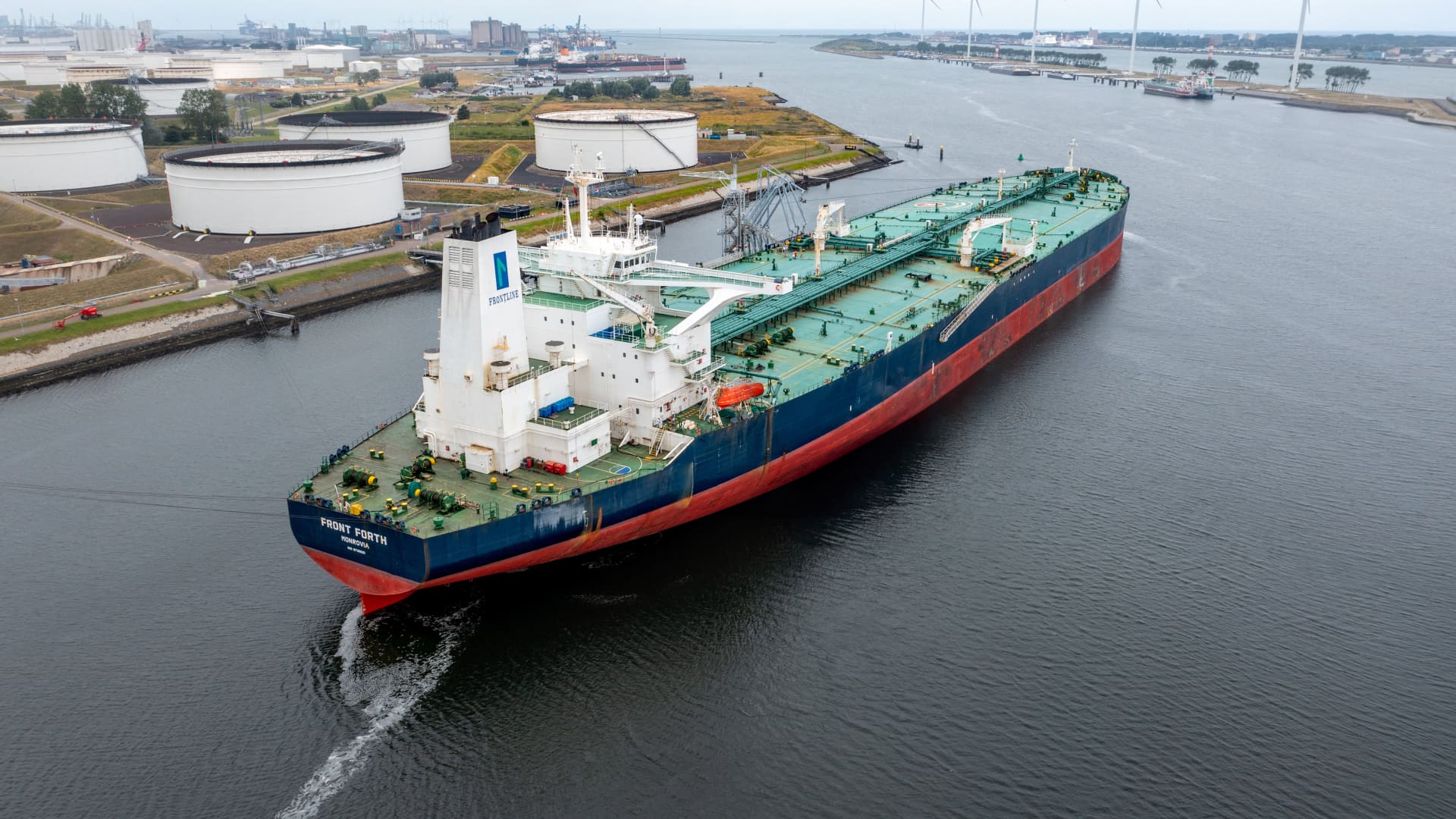
Oil prices have risen sharply following an attack on a tanker off the coast of Saudi Arabia, injecting further volatility into global energy markets. The incident has intensified concerns over the security of maritime trade routes, particularly given the broader context of military escalation in the region.
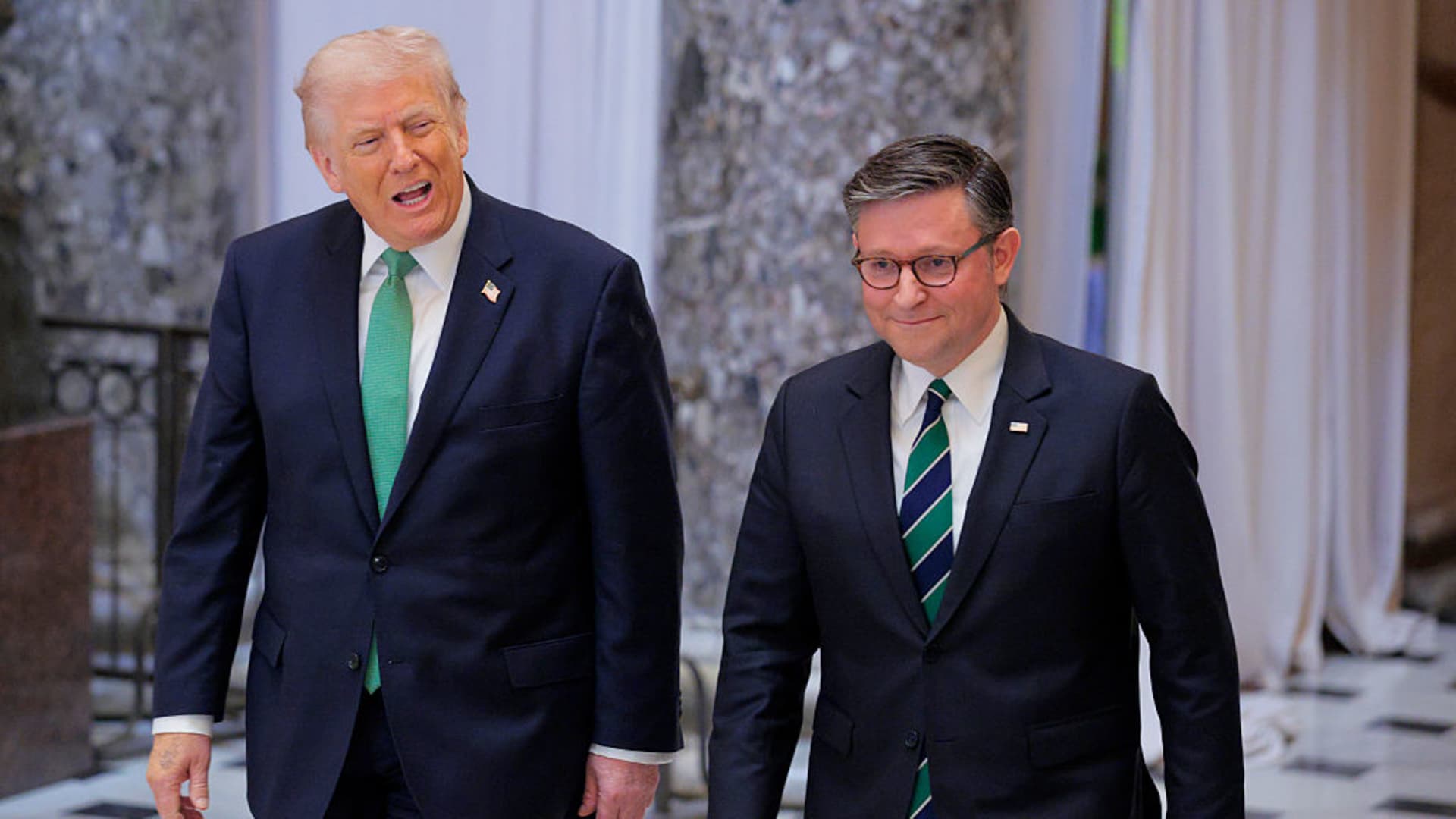
In response to the growing instability, U.S. President Donald Trump has threatened to bomb Iranian infrastructure if attacks continue against ships transiting the Strait of Hormuz. The statement underscores the high stakes surrounding the critical waterway, which serves as a vital artery for global oil supplies.
The tanker strike occurs against a backdrop of collapsing diplomacy between the United States and Iran. An interim peace deal has unravelled, with diplomatic efforts failing to stem the tide of hostilities. This breakdown in negotiations follows eleven consecutive nights of U.S. military strikes targeting Iranian power plants and road networks.
Regional tensions have been further exacerbated by recent military actions in Yemen. On July 19, 2026, the Yemeni government bombed Houthi-controlled Sanaa Airport to prevent an Iranian plane from landing, a move that heightened hostilities between the rival factions. Saudi Arabia has denied claims that it is imposing a siege on the region, even as Jordan’s proposal to resume flights between Amman and Sanaa was rejected by the Houthis.
Amidst this turmoil, Iran’s chief negotiator, Mohammad Bagher Ghalibaf, has warned that regional infrastructure would not be safe unless Tehran’s security is guaranteed. The warning comes as Iran grapples with hyperinflation and military uncertainty, adding economic pressure to the geopolitical crisis.
Prior to the current escalation, a Beijing summit had featured discussions on trade, artificial intelligence, and Strait of Hormuz security. The event was attended by prominent U.S. business leaders, including Elon Musk, Tim Cook, and Jensen Huang, highlighting the commercial interest in stabilising the region. However, the recent tanker attack and subsequent threats suggest that diplomatic channels remain fragile.
The exact cause of the tanker strike remains unspecified in current reports, though the timing coincides with a period of heightened military activity. The immediate impact on specific oil price figures has not been quantified in the source material, but the market reaction indicates significant investor concern regarding supply chain disruptions.
As tensions persist, the focus remains on whether the U.S. threat of bombing Iranian infrastructure will deter further attacks on shipping or lead to a broader regional conflict. The situation continues to evolve rapidly, with implications for global energy markets and international relations.