Rubio warns of global fallout as US strikes Iran for 11th night
The 11th consecutive night of strikes targets Iranian infrastructure aimed at degrading threats to commercial shipping in the vital maritime chokepoint.
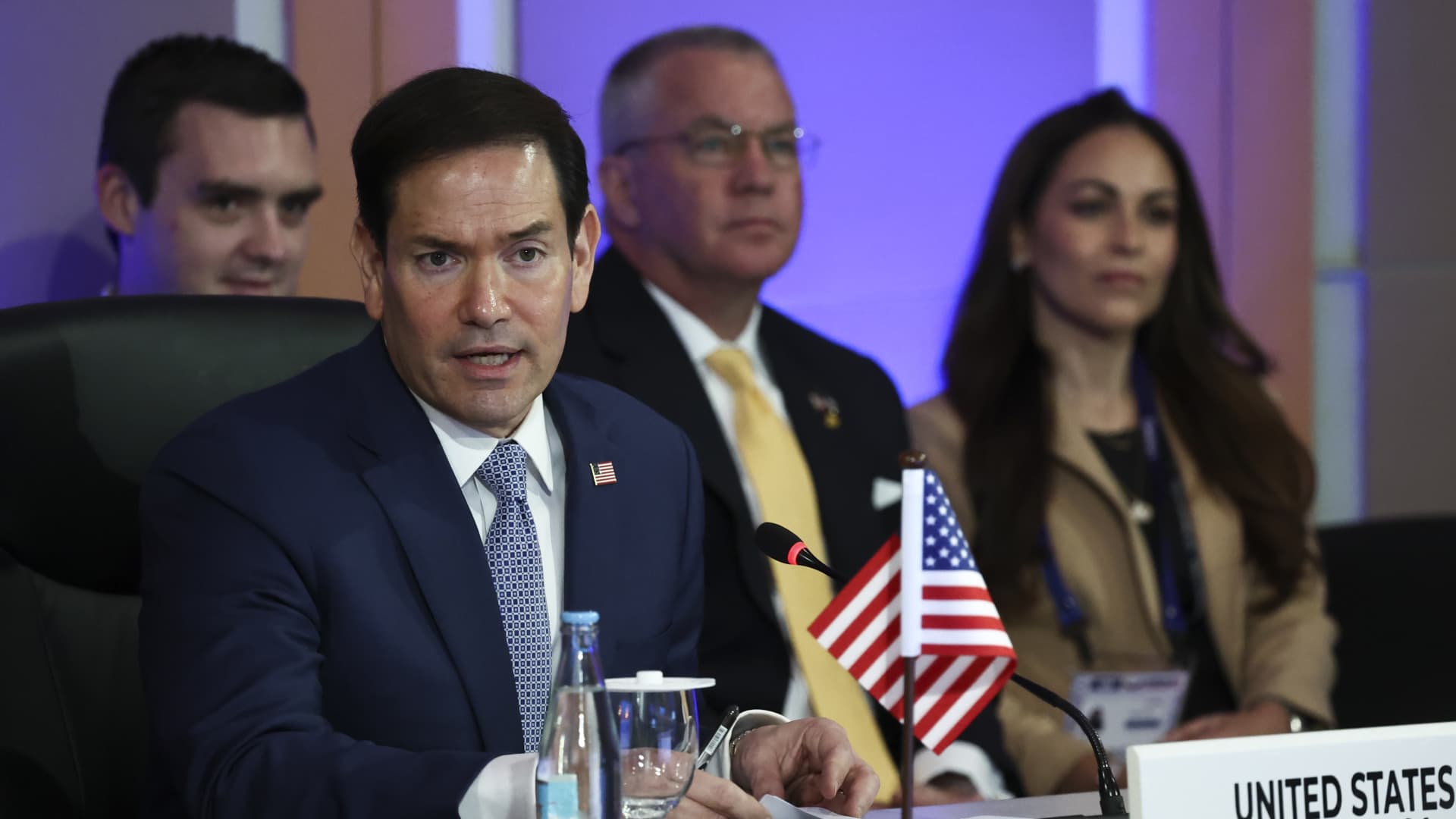
US Secretary of State Marco Rubio has issued a stark warning that Tehran’s threats regarding the Strait of Hormuz risk causing global fallout. His comments arrive as US Central Command conducted strikes against Iranian targets for an 11th consecutive night, underscoring the escalating military pressure on Iran’s capacity to disrupt international trade routes.
The military campaign, which commenced at 2300 GMT on Tuesday, is explicitly designed to degrade Iran’s ability to threaten commercial shipping in the Strait of Hormuz. According to US Central Command, the latest phase of operations targeted aircraft hangars, drone storage sites, operations centres, and maritime capabilities. These strikes follow the collapse of a ceasefire memorandum dated 17 June, marking a significant deterioration in diplomatic efforts to contain the conflict.
The Strait of Hormuz remains a critical focal point for global energy markets and logistics. Hostilities in the region have intensified, with Iran’s Khatam al-Anbiya command previously announcing threats to close or disrupt the chokepoint. Rubio’s warning highlights the potential for these military actions to trigger broader economic and geopolitical consequences beyond the immediate theatre of conflict.
The current military operations are part of a broader pattern of escalation involving multiple regional actors. Recent events include Iranian missile fire at Israeli targets in retaliation for attacks on Beirut’s southern suburbs, alongside Israeli strikes on military sites in western and central Iran, including Tehran, Tabriz, and Isfahan. Earlier this week, US forces also launched a bombing raid on Iran using 49 Tomahawk missiles.
While the specific extent of damage to Iranian infrastructure and the immediate operational impact on commercial shipping remains unverified, the sustained nature of the US campaign signals a determined effort to neutralise perceived threats to maritime security. The situation continues to evolve rapidly, with diplomatic channels strained and military activity intensifying across the region.