Dimon warns markets are underestimating risks, advises against buying stocks or Treasurys
Jamie Dimon stated he would not purchase stocks or US Treasurys at current valuations, citing significant geopolitical and economic uncertainties that he believes the market is overlooking.
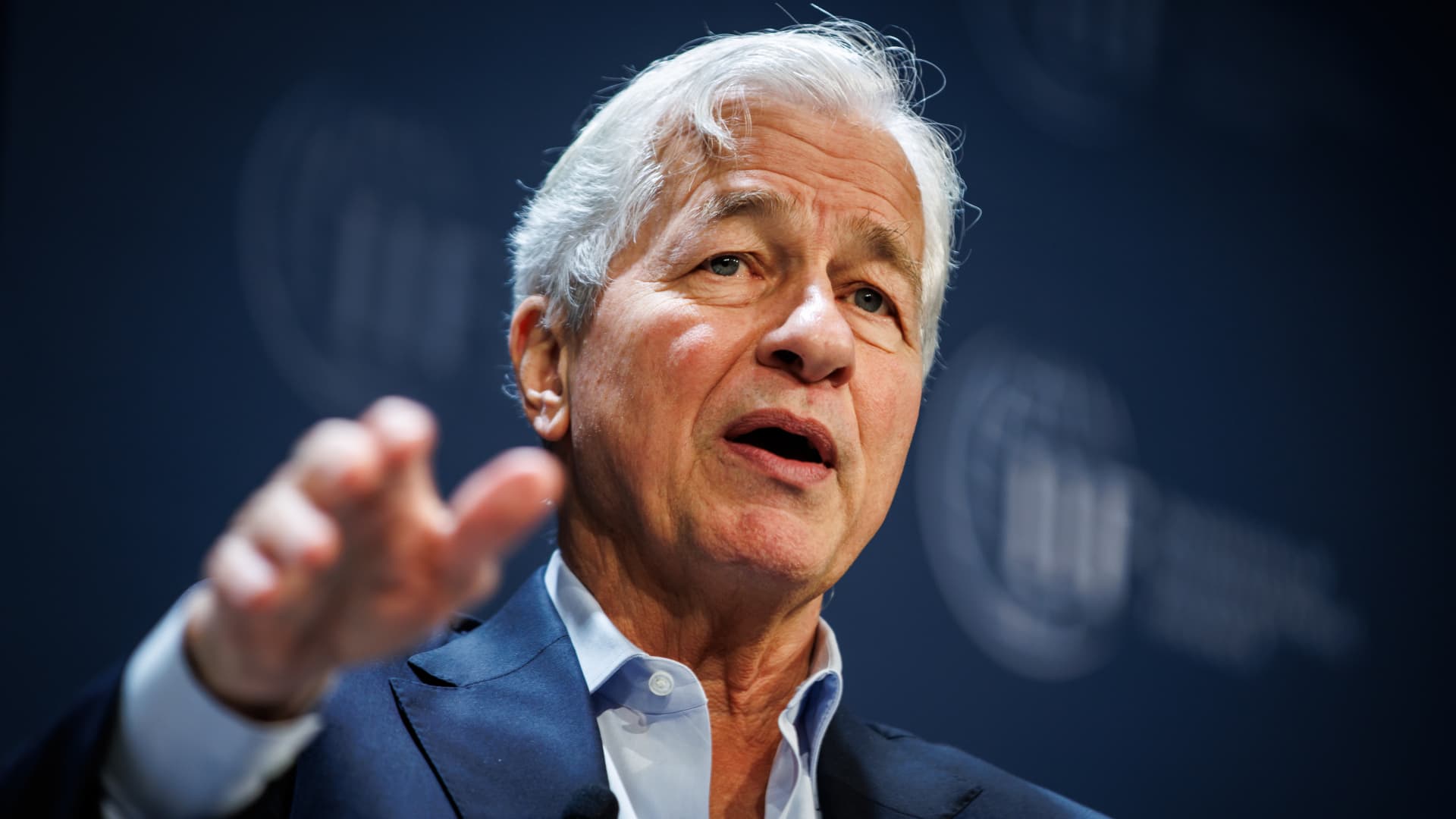
JPMorgan Chase chief executive Jamie Dimon has issued a stark warning to investors, stating that financial markets are currently underestimating the scale of existing risks. In comments reported on 20 July 2026, Dimon indicated that he would not purchase stocks or US Treasurys at their present prices, signalling a cautious outlook that diverges sharply from the prevailing mood on Wall Street.
His assessment directly challenges recent investor sentiment, which has demonstrated a notable willingness to overlook geopolitical conflicts, trade tariffs, and other potential economic shocks. While markets have shown resilience and growth, Dimon’s stance suggests that the current pricing of assets does not adequately reflect the underlying dangers facing the global economy.
The timing of Dimon’s remarks comes amidst a period of significant market activity. Recent months have seen heavy institutional buying in shares such as NVIDIA, driven by strong earnings and optimistic analyst estimates. Additionally, the US stock market experienced gains following the debut of the SpaceX IPO on 11 June 2026, which valued the company at approximately $1.77 trillion.
Despite this recent momentum, Dimon’s caution highlights a growing divergence between institutional leadership and broader market participants. His advice against entering the stock or Treasury markets at current levels implies that he views the current risk-reward profile as unfavourable, regardless of the positive performance of major indices or high-profile listings.
This is not the first time Dimon has used his platform to highlight regulatory and economic pressures. Historically, he has been vocal about the potential impact of tax policies on financial institutions, previously warning that increased bank taxes in the UK could jeopardise JPMorgan’s planned headquarters in London. His current comments on global market risks extend that same scrutiny to the broader investment landscape.
As investors navigate a complex environment characterised by geopolitical tension and shifting economic policies, Dimon’s warning serves as a reminder of the potential disconnect between market optimism and underlying fundamental risks. Whether this caution will influence broader institutional behaviour remains to be seen, but it underscores the persistent uncertainty facing global capital markets.