Tenth night of strikes marks escalation in US-Iran conflict as regional tensions mount
Ten days into the resumption of hostilities, Iranian forces have targeted US bases in the Gulf, while Houthi rebels threaten Saudi port blockades, raising concerns over Strait of Hormuz security.
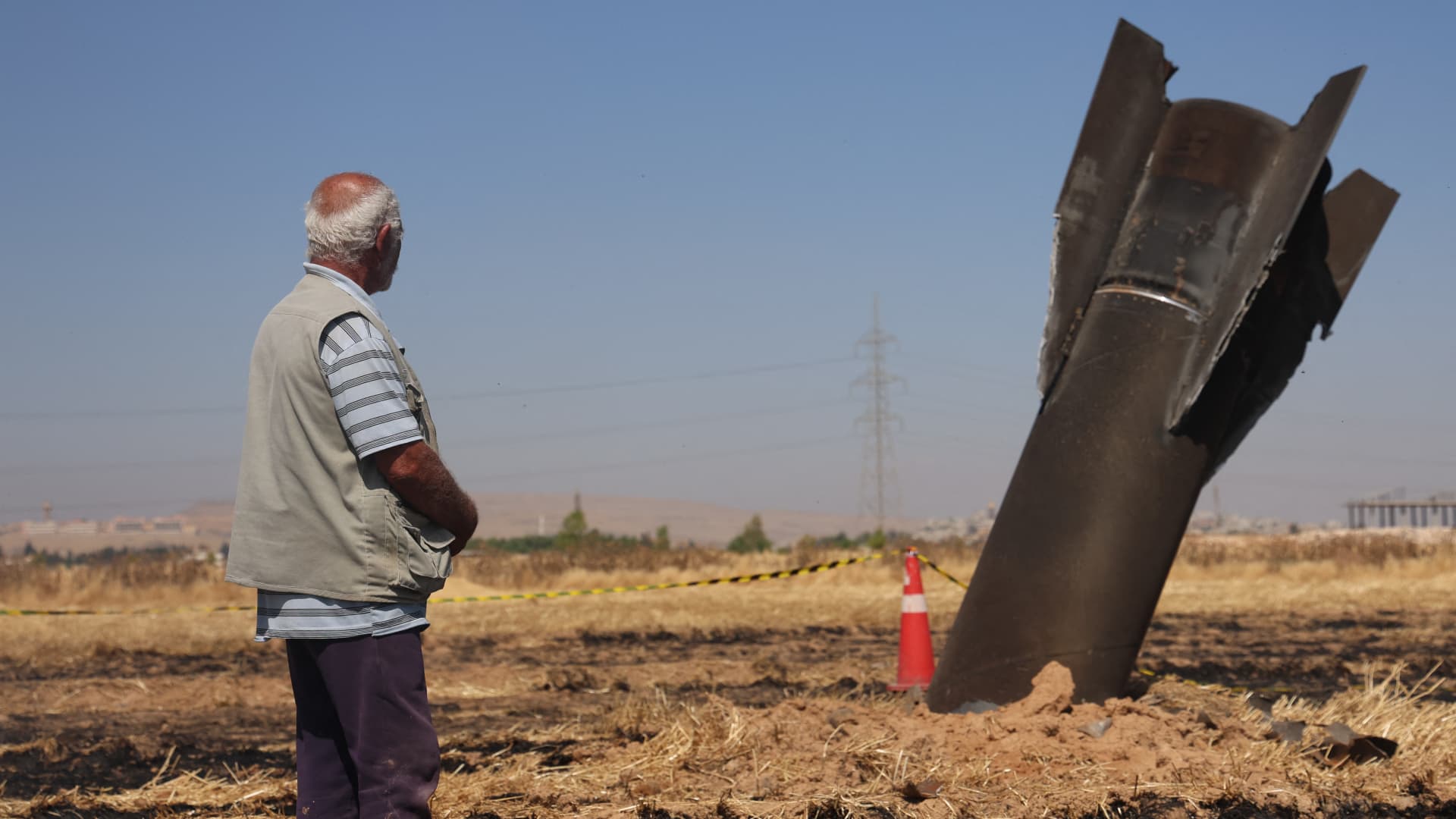
It has been ten days since US President Donald Trump declared the ceasefire with Iran over, a move that has accelerated military engagements and expanded the conflict’s regional footprint. The United States has now completed its tenth consecutive night of strikes on Iranian targets, underscoring the intensity of the renewed hostilities. Iranian President Masoud Pezeshkian has characterised the deteriorating situation as a full-scale war, signalling a significant escalation from previous diplomatic standoffs.
The military confrontation has directly impacted US assets in the Gulf region. Iranian forces have struck US bases located in Bahrain and Kuwait, intensifying the security risks for American personnel and infrastructure in the area. In response to the violence, President Trump has issued a stark warning to Tehran, stating that Iran would pay many times over for every American soldier killed. This rhetoric highlights the high stakes involved as the conflict enters its second week.
Maritime security concerns have emerged as a critical factor, with direct implications for global trade. The United Kingdom Maritime Trade Operations agency reported that a tanker was struck by an unknown projectile in the Strait of Hormuz, eight nautical miles north of the strait. The source of the projectile remains unidentified, adding uncertainty to navigation in one of the world’s most vital energy chokepoints.
The conflict has also drawn in non-state actors, further complicating the regional security landscape. Houthi rebels have threatened to blockade Saudi ports in retaliation for the broader war. Such a move would potentially disrupt Riyadh’s oil exports, creating immediate supply chain risks for global energy markets. The spillover effects of the US-Iran conflict are thus extending beyond bilateral military engagements to threaten broader economic stability in the Middle East.
These developments occur against a backdrop of significant economic and diplomatic activity. A recent Beijing summit, attended by US business leaders including Elon Musk, Tim Cook, and Jensen Huang, featured discussions on trade, artificial intelligence, and Strait of Hormuz security. This was the first visit by an American president to China since 2017, yet the current military escalation in the Gulf threatens to overshadow those diplomatic and commercial engagements. Meanwhile, residents in Iran are grappling with hyperinflation and military uncertainty, compounding the domestic pressures on the Iranian state as it faces external military action.