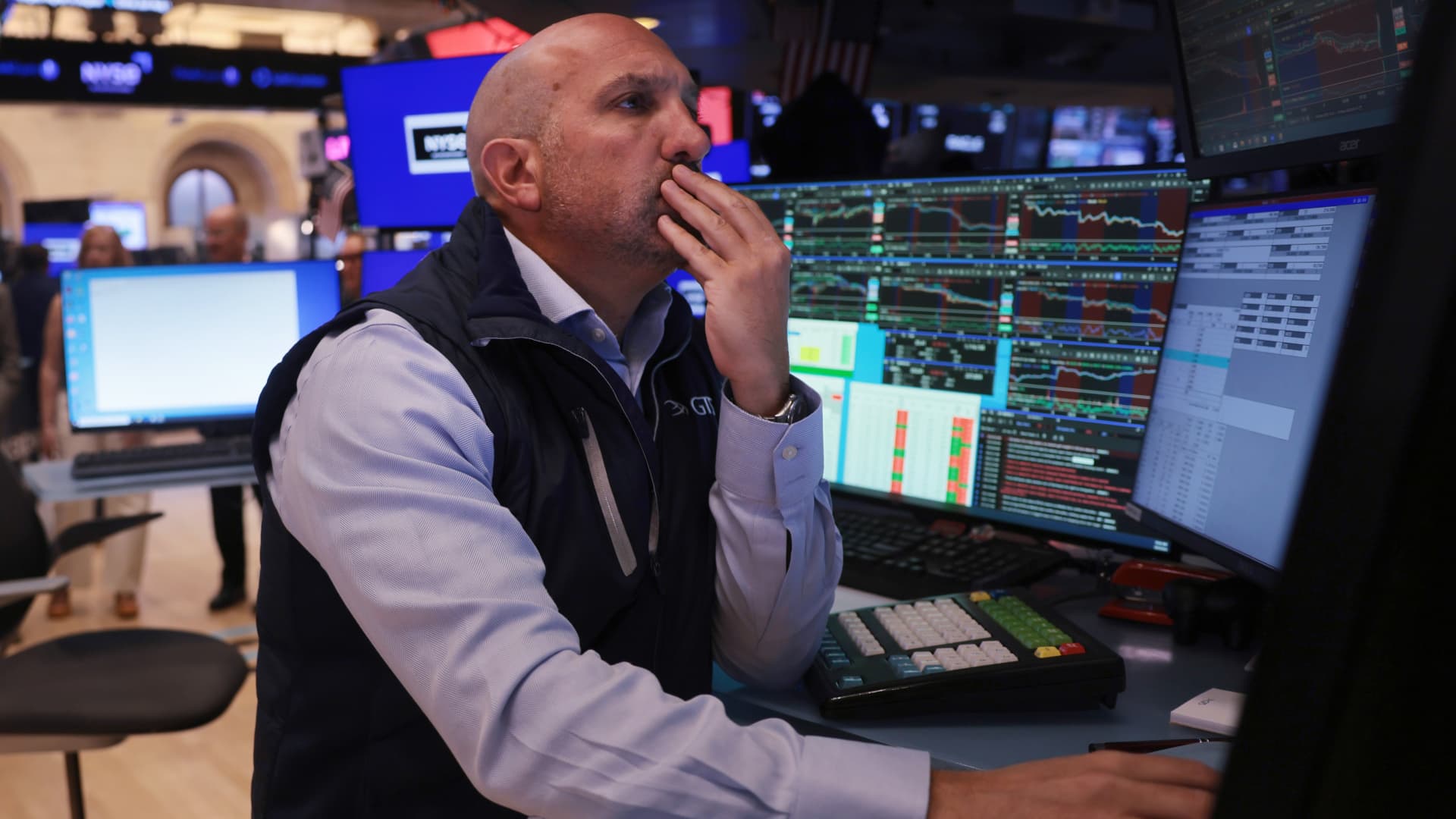
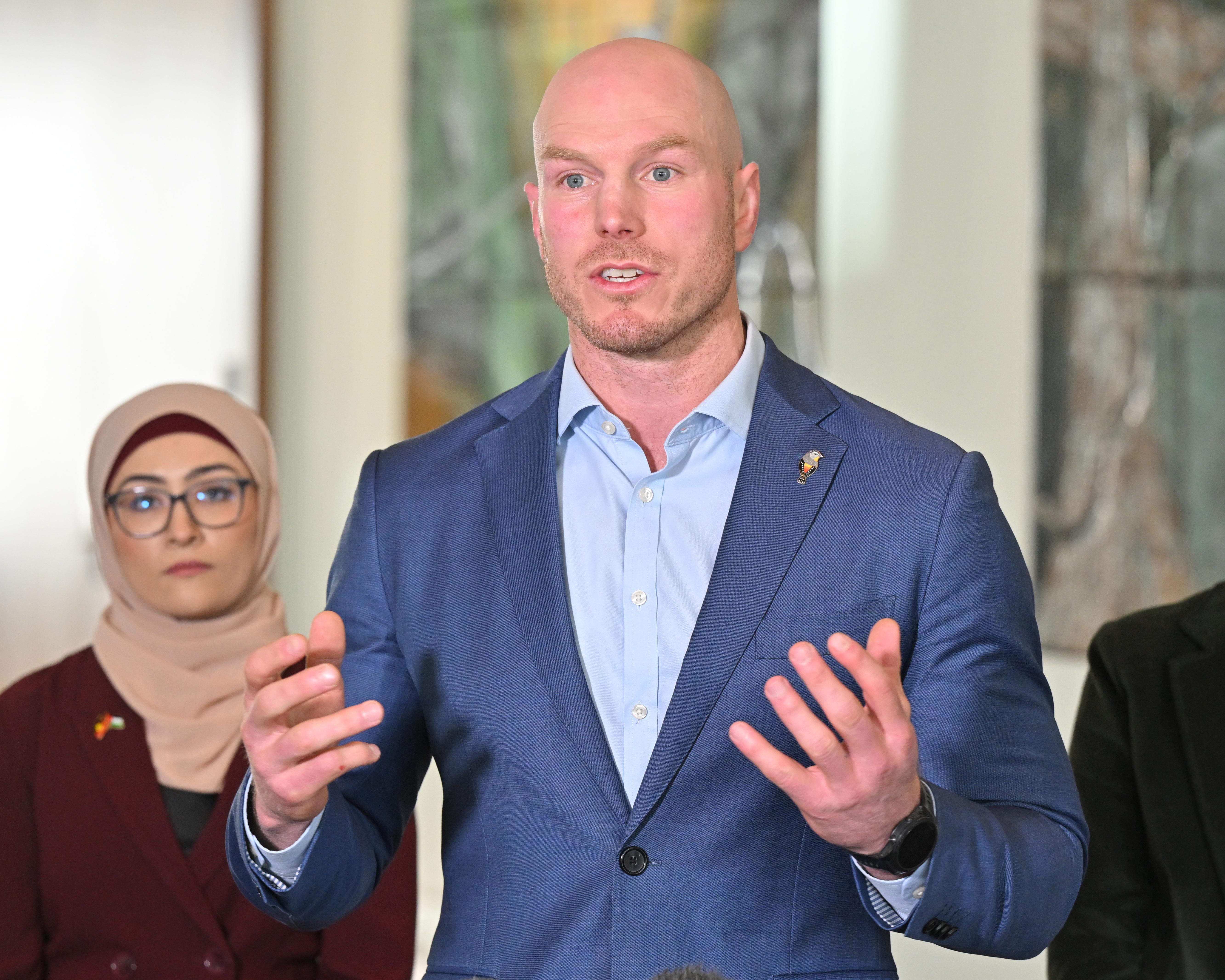
Oil prices surge 4% as Rubio dismisses Iran peace talks
The rally in crude follows a sharp reversal from Friday’s decline, which had been driven by optimism over an interim deal to reopen the Strait of Hormuz.

Oil prices climbed 4 per cent on Wednesday as hopes for a Middle East ceasefire diminished, following comments from US Secretary of State Marco Rubio stating that Iran is not serious about peace talks. The move marks a significant reversal in market sentiment, wiping out gains seen earlier in the week as geopolitical risks re-entered pricing models for energy commodities.
The sharp uptick in crude prices contrasts with the market’s trajectory on the previous Friday, when oil had fallen on reports that the United States and Iran were nearing an interim peace deal. That earlier optimism centred on the potential reopening of the Strait of Hormuz, a critical chokepoint for global energy supplies. The collapse of those immediate prospects has returned focus to the logistical and security risks associated with the region’s shipping lanes.
US Secretary of State Marco Rubio provided the immediate catalyst for the current market movement, explicitly casting doubt on the sincerity of Iranian negotiations. His assessment that Tehran is not serious about peace talks has effectively stalled the diplomatic momentum that had briefly supported lower energy prices, prompting traders to price in a higher probability of continued instability.
The energy market’s volatility comes against a backdrop of broader activity in US equity markets. On Tuesday, 22 July 2026, US stock markets had risen on the back of SpaceX’s initial public offering debut and earlier hopes for an Iran-US peace deal. The space company’s IPO price was set at $135 per share, raising approximately $75 billion and establishing a post-IPO valuation of around $1.77 trillion.
While the equity markets absorbed the news of SpaceX’s debut, the energy sector remains tightly coupled to geopolitical developments. The 4 per cent jump in oil prices underscores the fragility of the current diplomatic landscape, with investors quickly adjusting positions as the likelihood of a near-term ceasefire recedes following Rubio’s latest remarks.