Trump proposes 2028 tariffs to drive generic drug manufacturing to US
New proposal targets generic drugmakers with steep duties starting in 2028, seeking to reverse offshoring trends in the US supply chain.
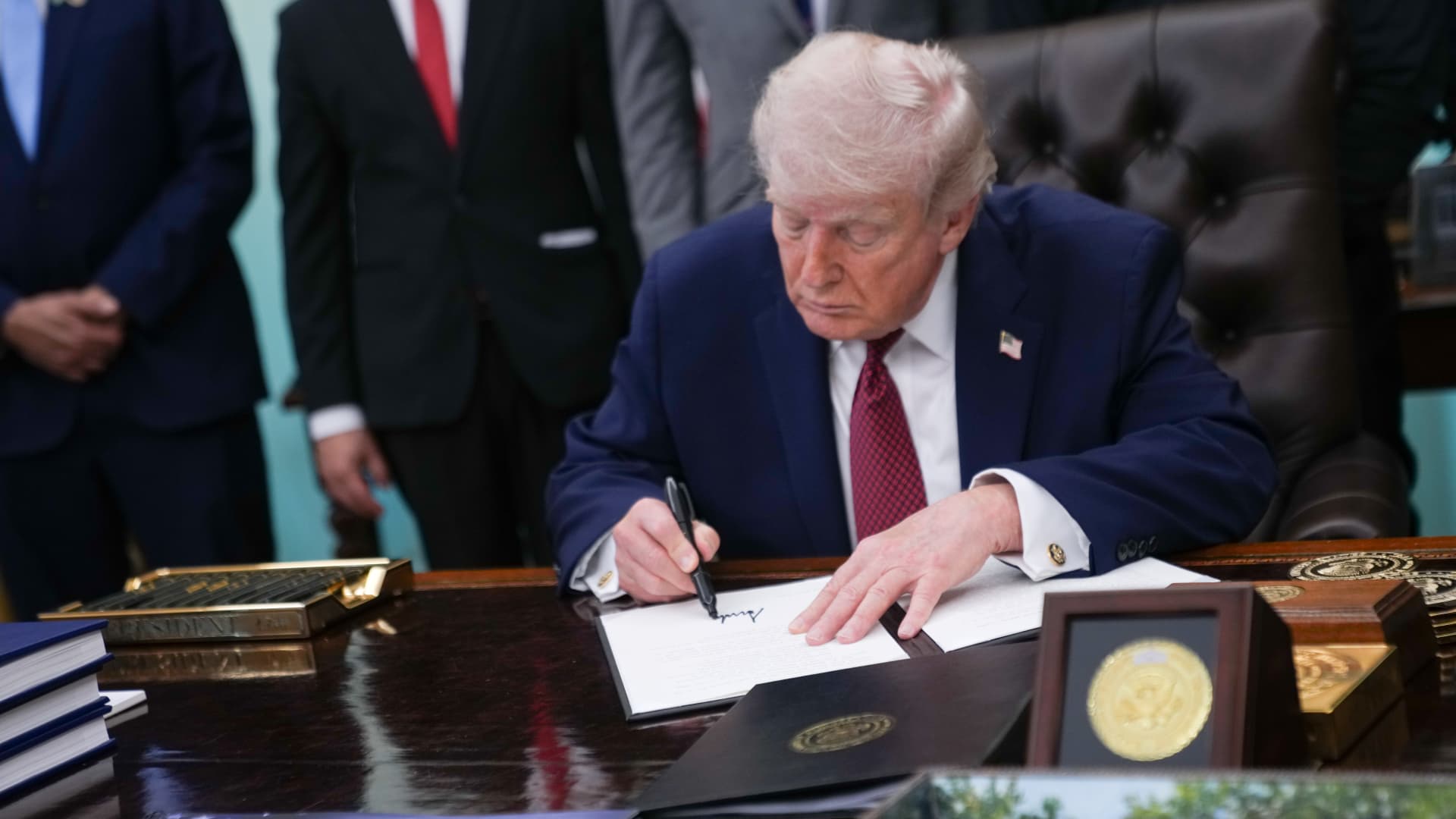
Former US President Donald Trump has announced a proposal to impose steep tariffs on generic drugs, with the measures scheduled to take effect in 2028. The initiative, reported by CNBC, outlines a phased approach designed to incentivise pharmaceutical manufacturers to relocate their production facilities from overseas to the United States.
The core objective of the plan is to reverse the trend of offshoring by making domestic production more economically attractive for generic drugmakers. By introducing a structured timeline leading up to 2028, the proposal aims to give the industry sufficient notice to adjust supply chains and invest in US-based manufacturing capabilities.
While the announcement highlights a specific policy direction regarding the pharmaceutical sector, the source material does not specify the exact percentage or structural details of the proposed tariffs. The term "steep" is used to describe the potential duties, but precise figures remain undefined in the current reporting.
It is important to note the current political status of the proponent. As Donald Trump is identified as a former US President, the announcement is presented as a plan or proposal rather than enacted legislation. The available information does not clarify whether this represents a finalised policy framework or a campaign pledge, leaving the immediate regulatory impact uncertain.
This development occurs against a backdrop of broader trade tensions and geopolitical friction. Recent reports indicate ongoing diplomatic engagements with China and heightened tensions involving Iran, alongside separate threats of significant tariffs on Canadian goods. However, these concurrent events are distinct from the specific pharmaceutical trade measures outlined in the latest announcement.
The phased schedule serves as the primary mechanism for the policy, allowing time for market adaptation before the full implementation of tariffs in 2028. For investors and industry stakeholders, the announcement signals a potential shift in US trade policy towards greater self-sufficiency in essential medicines, though the practical execution remains dependent on future political developments.