Greer signals imminent tariff expansion as existing duties expire
With the Trump administration preparing to replace expiring trade barriers, U.S. Trade Representative Jamieson Greer has indicated that new tariffs are likely to be imposed on a broad range of nations in the near term.
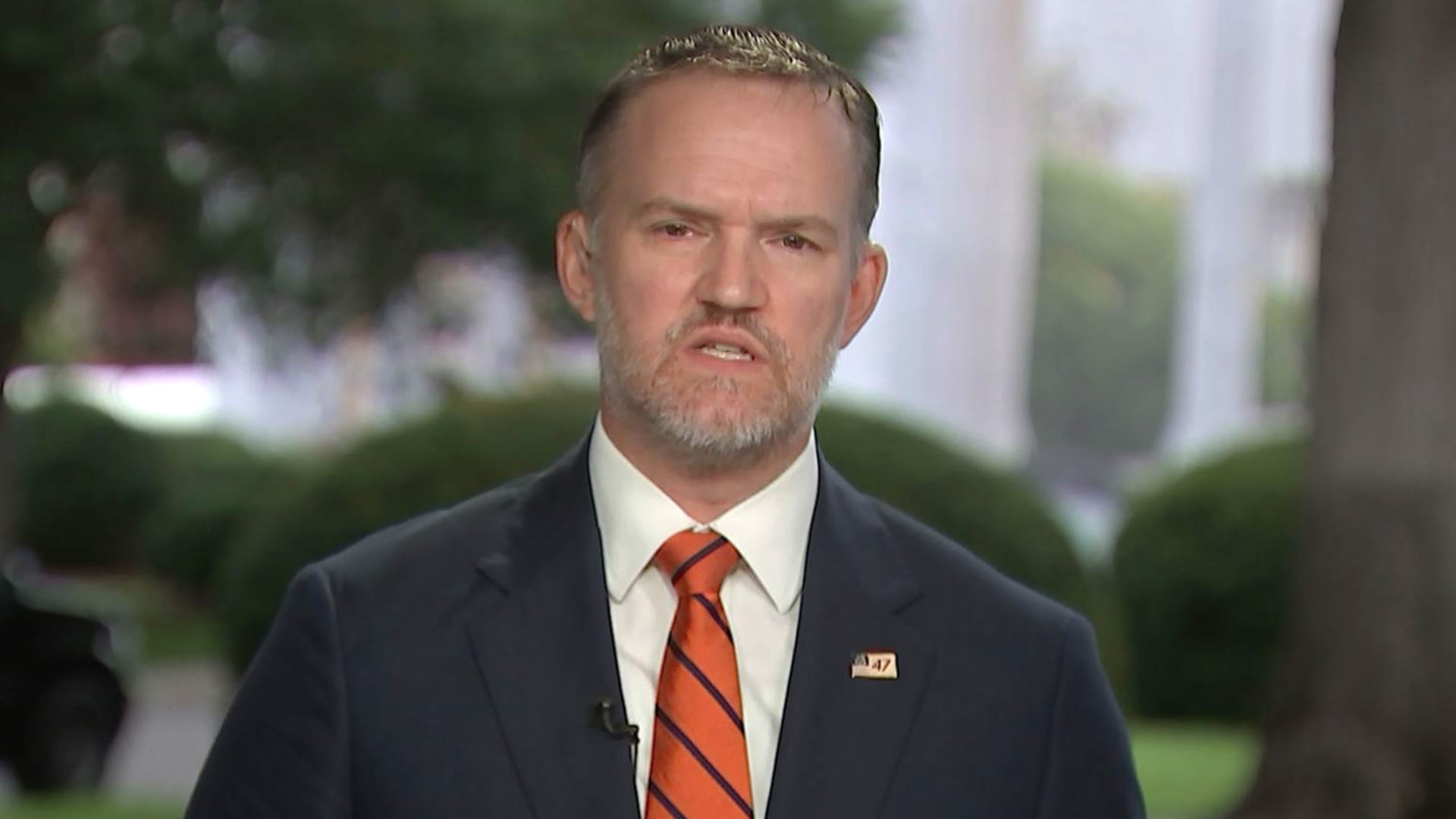
U.S. Trade Representative Jamieson Greer has signalled that the Trump administration is preparing to impose new tariffs on dozens of countries. Speaking to the press, Greer indicated that these new duties may be implemented as other existing tariffs are set to expire, advising the public to expect action soon.
The comments from Greer suggest a significant shift in the administration's trade posture, moving from a period of review to active enforcement. While the specific countries targeted by the new tariffs have not been identified in the available reporting, the scope implies a broad-based approach rather than a narrow, bilateral dispute. The exact timeline for the imposition of these tariffs remains unspecified, aside from the general warning to expect action soon.
This development occurs against the backdrop of a high-profile summit in Beijing between President Donald Trump and Chinese President Xi Jinping, which began on 14 May 2026. The summit, attended by major technology executives including Elon Musk, Tim Cook, and Jensen Huang, focuses on trade relations, artificial intelligence, and tensions in the Strait of Hormuz. While market reactions to the summit have been positive, with U.S. indices rising and Nvidia shares surging, the specific scope and targets of the new tariffs remain undefined.
Greer’s remarks highlight the complexity of the current trade landscape, where expiring duties create windows for policy adjustment. The administration appears to be using these expirations as a lever to introduce new measures, potentially reshaping global trade flows. However, claims regarding dozens of countries should be treated as preliminary indications rather than confirmed policy until official documentation is released.
Investors and institutions are now monitoring the situation closely, as the intersection of diplomatic engagement in Beijing and domestic trade policy adjustments in Washington could have far-reaching implications for global markets. The lack of specific details regarding the nature of the tariffs or the rationale behind them adds a layer of uncertainty to the immediate outlook.