Strait of Hormuz vessel traffic slumps as US-Iran tensions choke oil corridor
A blockade implemented by US President Donald Trump last week has triggered a significant decline in shipping activity through the critical waterway, compounding risks from renewed military clashes between Washington and Tehran.
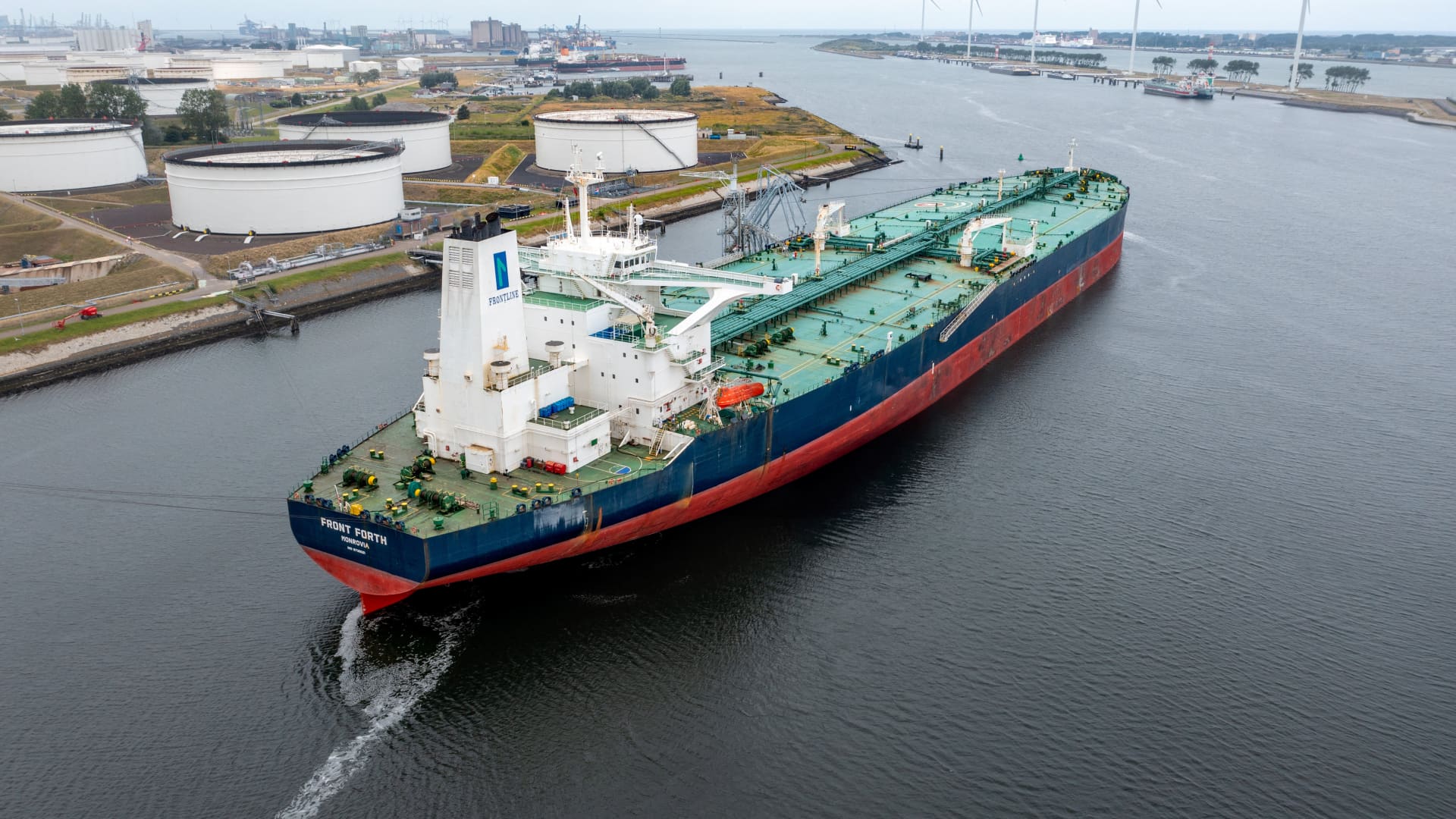
Vessel traffic through the Strait of Hormuz has declined significantly following the implementation of a blockade by US President Donald Trump last week, according to reporting by CNBC. The disruption is straining the key oil transit route amid renewed fighting between the United States and Iran.
The slump in shipping activity coincides with an escalation in hostilities that began after Iran shot down a US helicopter. President Trump has vowed to respond to the incident, heightening geopolitical tensions in the region and raising concerns about the security of global energy supplies.
Iran has previously threatened to target vessels in the Strait of Hormuz in retaliation for US strikes. The waterway serves as a vital chokepoint for international oil trade, and any sustained reduction in traffic could have immediate implications for global energy markets and logistics.
Key entities involved in the unfolding conflict include Iran, the United States, the Strait of Hormuz, US Central Command, and the Khatam al-Anbiya command. The involvement of these military and strategic actors underscores the severity of the current standoff and the potential for further disruption to maritime commerce.
While specific metrics regarding the percentage decline in vessel traffic were not provided in the initial reports, the reported slump indicates a substantial shift in shipping behaviour. The precise scope and legal definition of the blockade implemented by President Trump remain to be fully detailed, but its impact on transit volumes is already evident.
As the situation evolves, markets are closely monitoring the Strait of Hormuz for signs of further escalation. The combination of a declared blockade and active military engagements presents a complex risk environment for investors and institutions reliant on stable energy transit routes.