Australia weighs increased South China Sea patrols as diplomatic row with Beijing intensifies
Canberra and Beijing exchange sharp rebukes over regional stability, with China asserting Australia has no right to intervene in the South China Sea dispute.
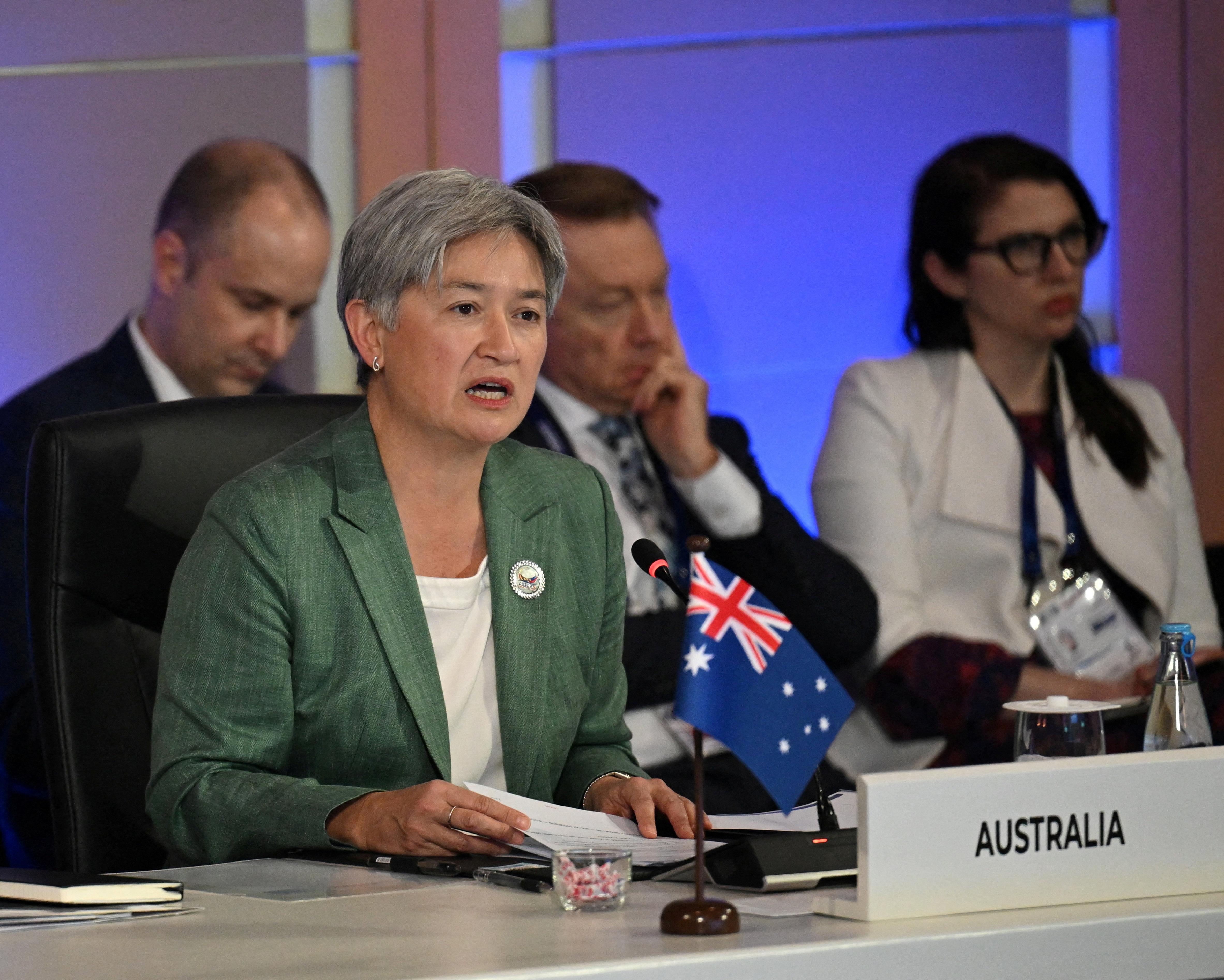
Australian Foreign Affairs Minister Penny Wong has indicated that Canberra is not ruling out an escalation of joint maritime patrols in the South China Sea, a move that would deepen security cooperation with the United States and Japan. The statement follows China’s recent launch of nuclear-capable missiles, which Wong described as destabilising conduct that threatens regional peace.
Speaking to reporters in Manila on the sidelines of the ASEAN foreign ministers’ meeting, Wong emphasised the critical nature of the maritime zone for regional stability. She noted that the region’s countries face a choice in how they respond to what she characterised as aggressive military behaviour, signalling a shift towards a more coordinated diplomatic and security posture.
The comments came after Wong held bilateral talks with her Chinese counterpart, Wang Yi, on Tuesday evening. During the meeting, Wong raised concerns regarding safe and professional military conduct, transparency, and the reassurance of intent between the two nations. She stressed the importance of mutual understanding while clearly outlining Australia’s apprehensions about the current trajectory of military activities in the area.
Beijing responded with a sharp rebuttal, with Chinese Foreign Ministry spokesman Lin Jian stating during a regular briefing in Beijing that Australia is not a party to the South China Sea issue. The ministry asserted that Canberra has no right to intervene in the matter and urged relevant countries to cease what it termed “stirring up tension” and inciting confrontation.
The diplomatic friction precedes a scheduled speech by Wong, in which she is expected to warn China that Australia will not be bullied as Beijing continues to expand its military capabilities. The exchange underscores the growing strategic divergence between the two nations, with Canberra aligning more closely with US-led security frameworks in response to perceived threats in the Indo-Pacific.