Investors weigh economic fallout as US-Iran tensions escalate over Strait of Hormuz
Economists and traders are analysing the implications of the latest military exchange, which has sharply reversed recent diplomatic optimism and raised concerns for global energy supplies.
Investors and economists are currently deliberating the potential implications of a renewed escalation in hostilities between the United States and Iran on the broader economy and stock markets. The assessment follows a sharp increase in military tensions that has prompted a re-evaluation of market risks and economic stability in the region.
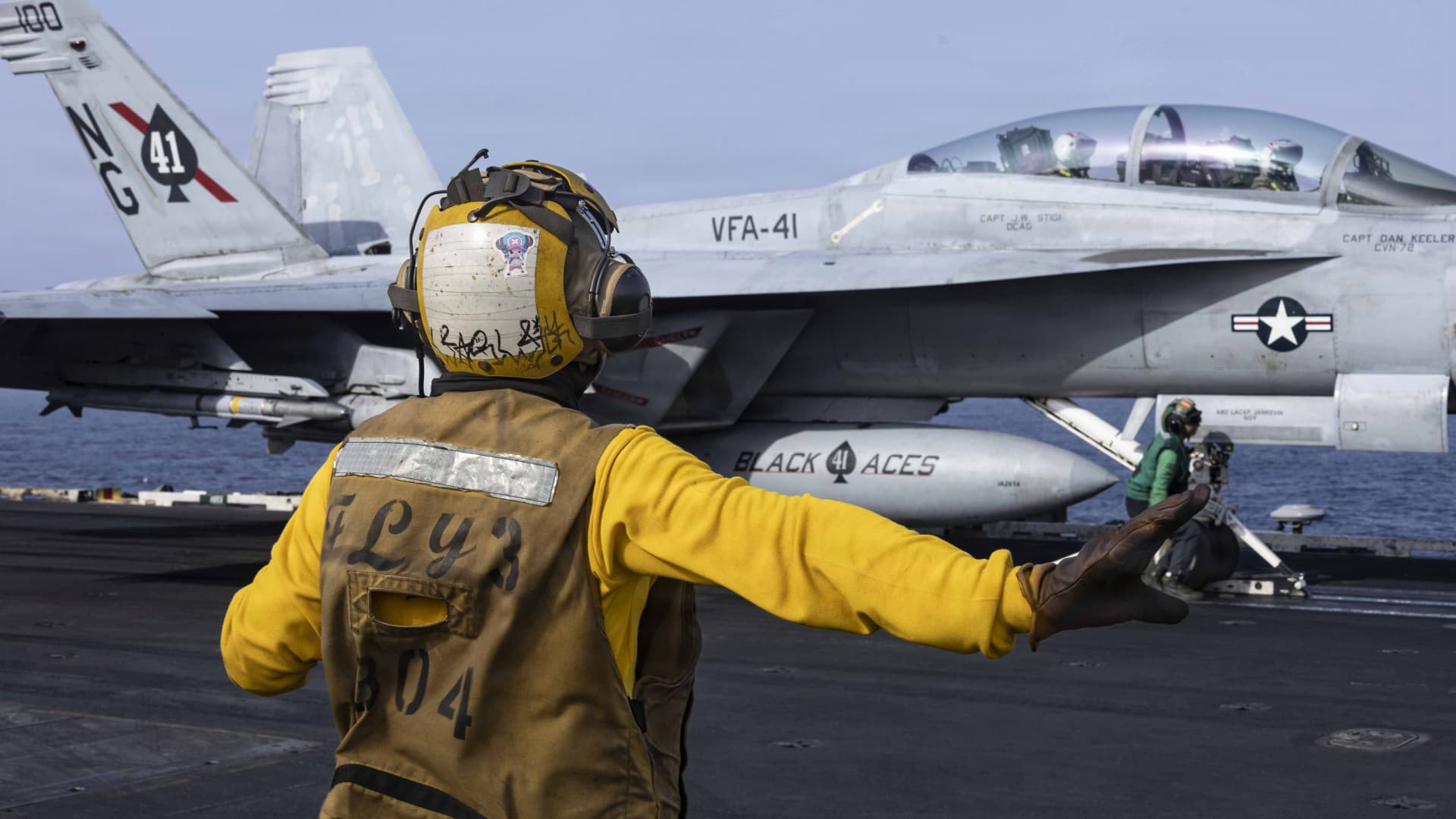
The immediate catalyst for this reassessment is an incident in which US President Donald Trump accused Iran of shooting down a US Army AH-64 Apache helicopter over the Strait of Hormuz. In response to the incident, the US president has vowed retaliation, marking a significant deterioration in relations that has drawn immediate attention from financial analysts and market strategists.
This development represents a stark contrast to the market sentiment observed just weeks prior. On 11 June 2026, US stock markets recorded modest gains and oil prices dropped amid hopes for peace. Those earlier gains coincided with the debut of the SpaceX IPO on the Nasdaq, which saw the company raise $75 billion and value the firm at approximately $1.77 trillion. The current escalation has effectively interrupted that period of diplomatic optimism and market stability.
The strategic importance of the Strait of Hormuz adds a layer of economic complexity to the situation. As a critical chokepoint for global oil supplies, any conflict in the region carries significant weight for energy markets. The location of the helicopter incident over this vital waterway has heightened concerns among economists regarding potential disruptions to global energy flows and the subsequent impact on inflation and supply chains.
While specific economic indicators or market sectors that will be affected have not been detailed in initial reports, the deliberation underway suggests that market participants are preparing for volatility. The timing of the incident, occurring shortly after indications that negotiations to end the Middle East conflict were underway, has left analysts assessing how quickly previous peace hopes can be replaced by risk-off behaviour in equity and commodity markets.