Shared meals carry meaning beyond food, Guardian columnist argues
Shadi Khan Saif reflects on Afghan family rituals, religious traditions and the social connection found around a shared table.
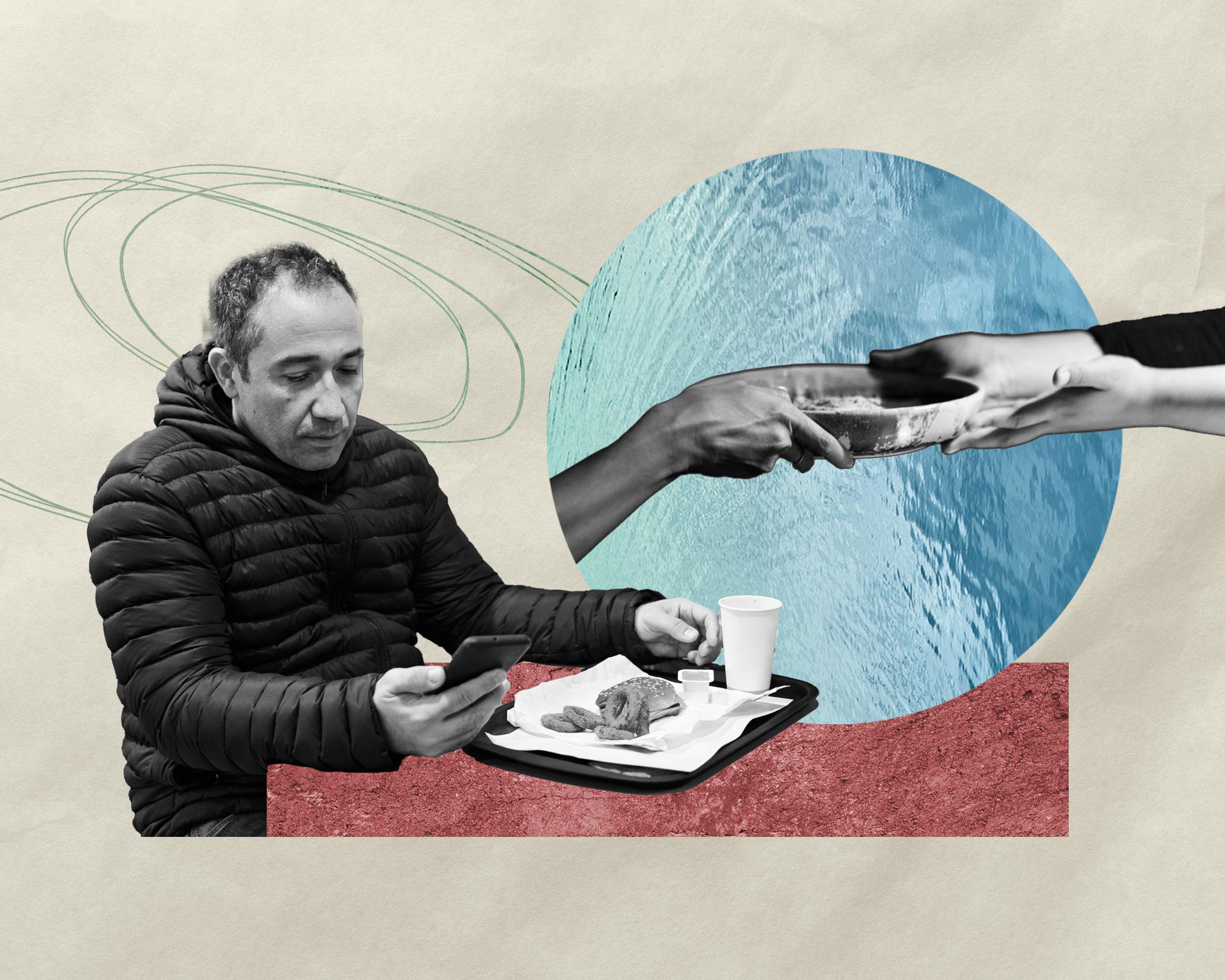
In an opinion column published by The Guardian, Shadi Khan Saif argues that shared meals can create space for family connection, hospitality, gratitude and community.
Saif draws on memories of growing up in a Muslim household, where preparing food, washing hands and offering meals to guests formed part of everyday family life. After leaving Afghanistan and building a life in Australia, the writer says those routines came to represent values that extended beyond eating.
The column refers broadly to shared-meal traditions in Islam, Judaism, Christianity, Hinduism and Sikhism, including the Sikh practice of langar, in which people share a free meal regardless of wealth, status or social position.
Saif also recalls a lunch during a fieldwork assignment when strangers began discussing their families and relationships with food. The conversation followed an exchange of expressions meaning “enjoy your meal”, and led participants to reflect on how family meals can provide time for listening and storytelling.
The writer contrasts those experiences with eating in cars, during Teams meetings or while using phones. Saif argues that food can become little more than fuel amid busy routines, even as people spend time viewing photographs of meals online.
The column is part of The Guardian’s opinion series on spirituality in everyday life. Its claims are based on the writer’s personal observations and examples, rather than quantified research, and do not establish how widespread changes in eating habits may be.