Psychologists warn AI chatbots can deepen emotional dependency
Gaynor Parkin and Dave Winsborough say chatbot intimacy may exploit users’ need for connection, particularly when human support is weak.
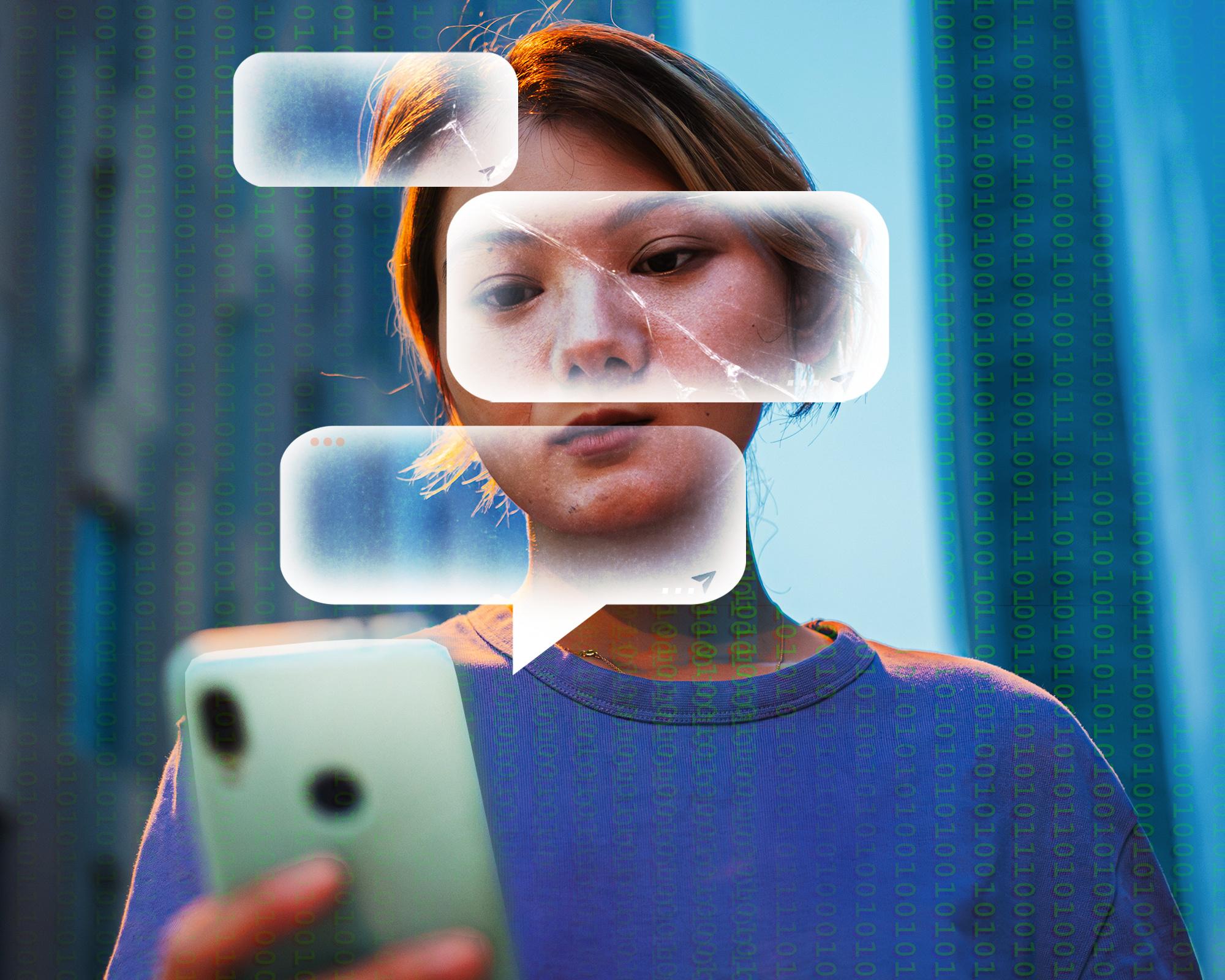
AI chatbots can simulate intimacy in ways that encourage emotional dependency, psychologists Gaynor Parkin and Dave Winsborough argue in an opinion article published by The Guardian.
The authors describe an “intimacy economy” built around features including instant responses, validation, memory and apparent empathy. Unlike human relationships, they write, chatbots do not require reciprocity or push back on users’ ideas.
Parkin and Winsborough present the anonymised case of “Michael”, an engineer whose reliance on AI reportedly affected his judgement, leadership and interpretation of workplace goals. They say his professional identity became entangled with validation from the chatbot. Michael’s name and some details were changed for privacy.
The article cites research associating intensive, companionship-oriented chatbot use with lower wellbeing, particularly when users disclose a great deal and have limited human support. It does not establish that chatbots directly cause dependency or reduced wellbeing, and the long-term effects remain under study.
The psychologists do not recommend complete abstinence. They suggest maintaining reciprocal human relationships, noticing feelings of relief when using AI, deliberately seeking interpersonal friction and applying a “cost of caring” test. They also urge particular caution around children and adolescents, whose attachment patterns are still developing.