Digital duty of care proposal sparks Coalition and One Nation backlash
A Guardian opinion article outlines Labor’s proposed approach to online harms and user control while the bill faces condemnation from Angus Taylor and Pauline Hanson.
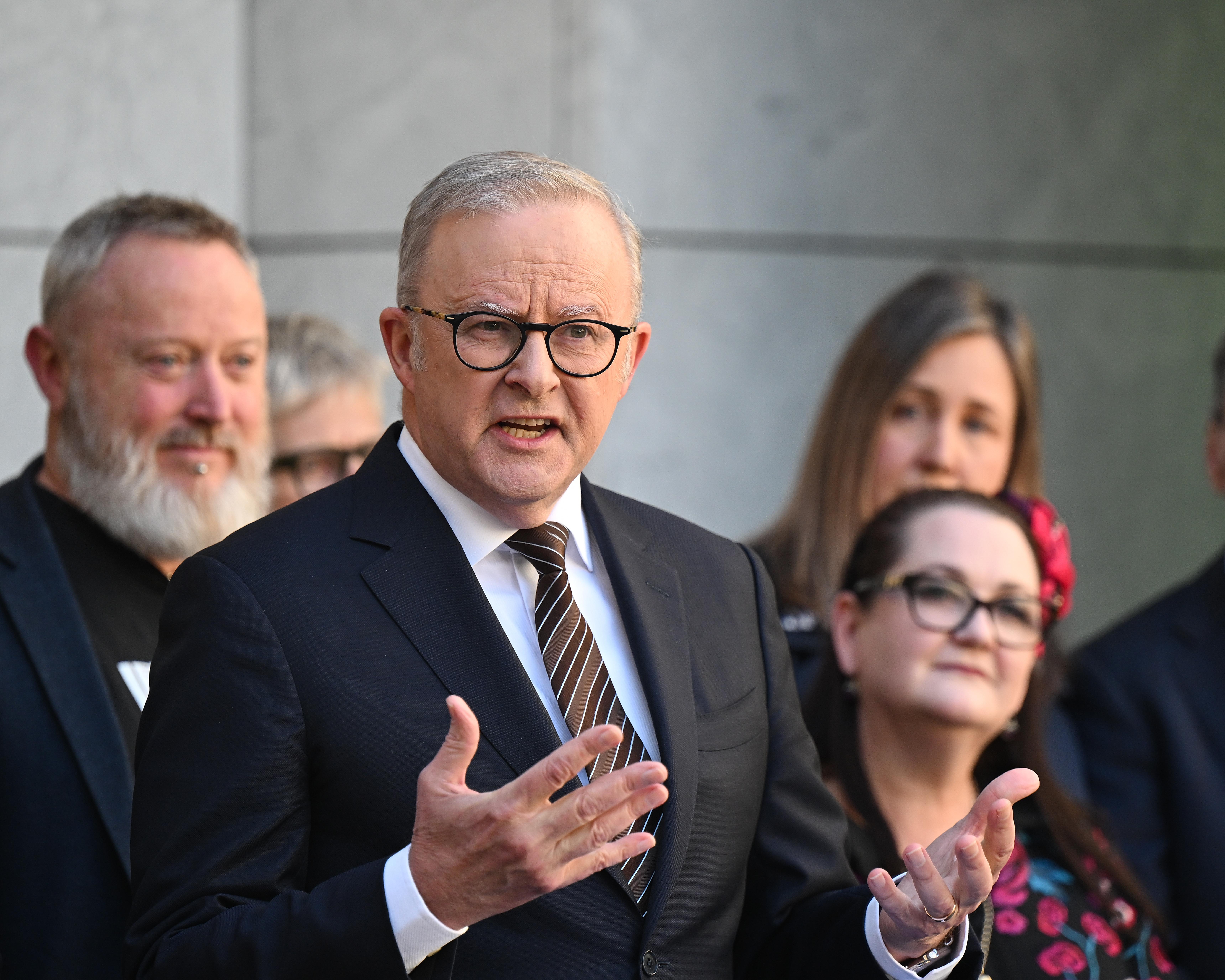
Labor’s proposed digital duty of care legislation has prompted condemnation from the Coalition and One Nation, opening a dispute over how online platforms should be regulated and where the limits of government power should lie.
In a Guardian opinion article, writer Peter Lewis reported that Angus Taylor described the proposal as “a blank cheque for political censorship”, while Pauline Hanson likened it to “Communist China”. The supplied material does not establish the legislation’s parliamentary status, timetable or final provisions.
Lewis argues that the proposal would require technology companies to address specified online harms, with ministerial discretion to add emerging risks such as “nudify apps” to the areas covered by the duty of care. The article links those harms to child exploitation, suicide, eating disorders, extremist recruitment, social division and the erosion of shared facts, without providing supporting data.
The opinion piece also presents the bill as a possible way for users to exercise greater control over algorithmic feeds. That could include choosing between paid recommendations and feeds based on friends and selected interests, according to Lewis.
Lewis suggests that a general duty of care shaped by the courts could be an alternative to detailed legislative lists. He compares the proposed obligation with safety duties applying to cars, financial services, toys and workplaces.
The full legislative text, implementation arrangements, the scope of ministerial powers and the likely legal effects are not provided in the source material. Lewis frames the proposal, alongside privacy laws described as also being before parliament, as structural reform intended to increase accountability for online services.