Guardian analysis finds little evidence behind gua sha health claims
Experts say gua sha can increase local blood flow, but research has not shown that it improves health or removes “toxins”.
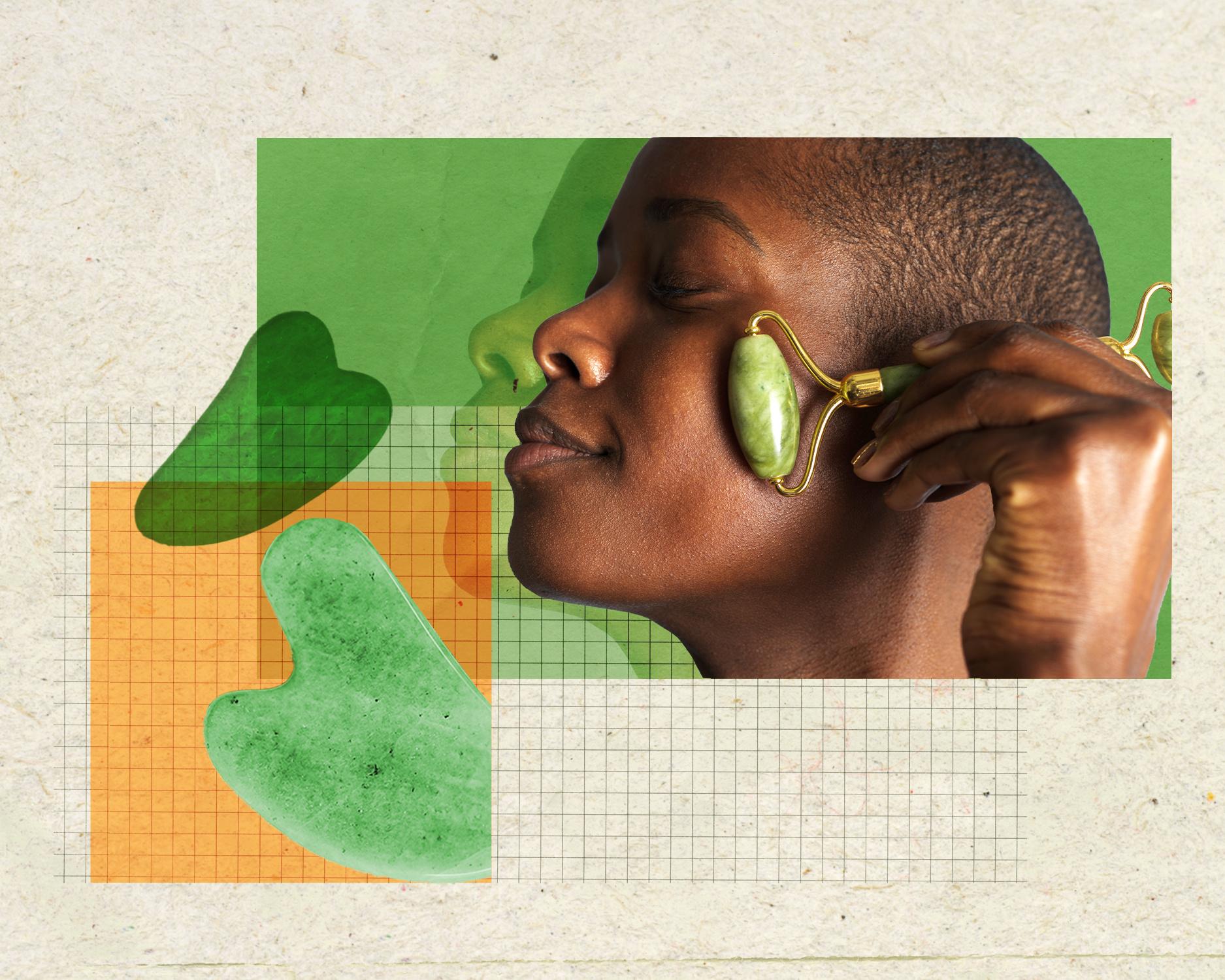
Gua sha, an ancient Chinese practice that involves scraping lubricated skin with a smooth object until mild bruising appears, has gained global popularity through social media. Practitioners claim it can improve skin, circulation and immunity, and remove toxins as the bruising fades.
A Guardian Opinion analysis found little credible evidence to support those claims. Experts said the increased blood flow is a normal response to bruising and has not been shown to provide a health benefit.
The small spots, known as petechiae, are caused by pressure or minor injury and are expected to disappear on their own. The analysis found no evidence that they are connected to toxins or that their disappearance removes anything from the body.
Research into gua sha remains limited. A review of its use for perimenopausal syndrome found that most studies were of low methodological quality. A small randomised trial in 2019 suggested possible benefits for lower back pain, but the findings were not considered especially convincing.
Reported improvements in pain or stiffness may also be affected by self-reporting and placebo effects. Dr Gideon Meyerowitz-Katz, an epidemiologist and science communicator at the University of Wollongong, was cited in the analysis, which forms part of The Guardian’s fortnightly Antiviral column examining evidence behind health and wellness claims.
The practice may cause pain, bruising or skin injury if performed too forcefully. The available evidence does not rule out every possible effect for specific conditions, but the Guardian analysis concluded that gua sha’s broader health claims remain unsupported.