Europe’s heat emergencies renew calls for Australia to plan for extreme heat
A Guardian opinion article argues Australia needs seasonal heat planning, clearer warnings, cooler housing and stronger workplace protections.
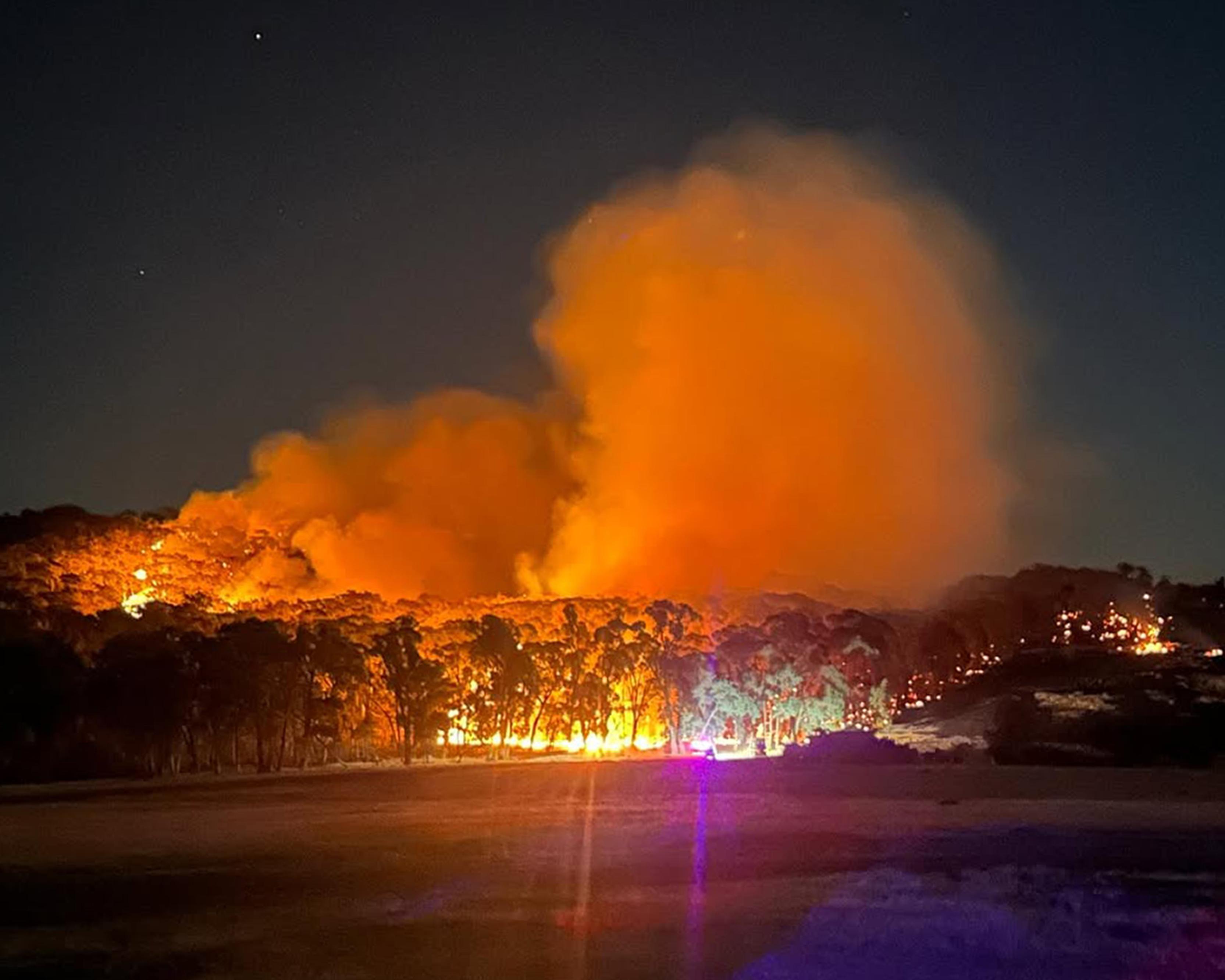
Europe’s recent heat and fire emergencies should prompt Australia to prepare more systematically for extreme heat, according to an opinion article published by The Guardian.
The article says extreme heat caused more deaths in Australia than bushfires, floods, storms and cyclones combined between 2000 and 2018. It cautions that heat-related harm may be recorded through heart, kidney or respiratory illness rather than as heat itself.
Older people, particularly those living alone, people with chronic illness, outdoor workers and people in poorly cooled homes are identified as being at greater risk. The article cites fires around France’s Gironde and Arcachon regions, and a heatstroke incident involving cyclist Elisa Longo Borghini, as examples of the dangers posed by extreme heat.
In New South Wales, the article says government arrangements have improved for declared heatwaves, including clearer roles and updated warnings. It argues, however, that isolated very hot days and periods of high humidity may also be dangerous without meeting a formal heatwave threshold.
The author calls for NSW Health to lead an annual seasonal heat plan covering the hotter months. Proposed measures include clearer warnings, cooler housing, more shade and tree cover, stronger thermal protections for renters and social and Aboriginal housing tenants, workplace heat plans and consistent public data on heat-related illness and deaths.
The article also points to work by Resilient Sydney, including the Greater Sydney Heat Smart City Plan, and advocacy by Sweltering Cities. The measures outlined are recommendations in an opinion article, not confirmed government commitments.