FinanceDraft
Canadian firms warn of economic ‘vortex’ as US tariff pressure mounts
Business leaders describe compounding financial strain from the renewed trade war, with new 50 per cent auto tariffs set to take effect in 2027.
Banking, investing, currencies, dealmaking, and the institutions moving global capital.
Business leaders describe compounding financial strain from the renewed trade war, with new 50 per cent auto tariffs set to take effect in 2027.
The U.S. dollar edged higher on Monday, rebounding from three-month lows, while the Canadian currency suffered its steepest drop since mid-June following the announcement of significant new trade levies.
The US pizza chain has partnered with T-ROC Global to expand into high-footfall venues, scaling a pilot programme into a national distribution channel.
The Financial Times argues that Donald Trump’s aggressive trade tactics have inadvertently elevated Mark Carney’s status, against a backdrop of significant US tariffs on Canadian goods.

The United States has announced a significant hike in duties on Canadian automobiles, moving the bilateral trade dispute from diplomatic friction to direct economic countermeasures.

Riyadh is in discussions to introduce state-backed war insurance after private insurers raised premiums and restricted coverage for vessels and firms operating in the region.

Investors brace for a decisive stretch as Nvidia’s results and the Federal Reserve’s preferred inflation gauge test the resilience of the AI trade and September rate outlook.

Analysts expect the chipmaker’s second-quarter fiscal 2027 results to show accelerating growth, with data-centre demand and Blackwell architecture adoption driving a 95 per cent year-over-year revenue surge.

The data cloud giant raised its full-year product revenue guidance to $5.84 billion, citing strong adoption of its AI coding agent and gateway, even as the stock has already surged 48 per cent this year.

Major technology firms are positioning AI-integrated glasses as the primary entry point for artificial intelligence, though critics warn of privacy concerns and awkward user experiences.

The 91-year-old grocery chain is closing seven stores across California and Nevada as it battles online competition and shifting consumer habits, though it plans to open a new location in Madera next year.
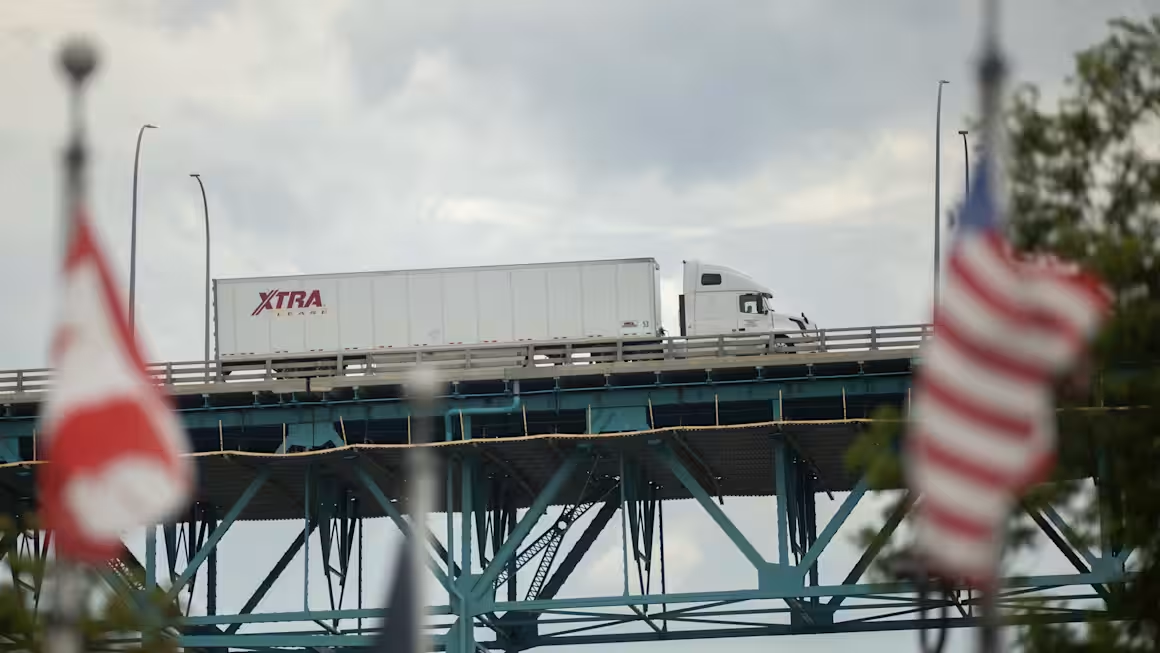
Critics argue the breakdown in US-Canada negotiations threatens to push consumer costs higher in the months leading up to the US midterm election.

The fast-food giant’s entry into the energy drink sector aims to boost traffic and offset a 2026 share price decline driven by sluggish comparable sales in the United States.

Following a Supreme Court ruling that struck down IEEPA tariffs, major US retailers are utilising billions in refunds to lower prices, boost margins, or return cash directly to customers.

New Zealand’s largest city has transformed its urban landscape through aggressive rezoning, significantly alleviating its housing crisis, though experts caution that the model may not be easily replicated elsewhere.

The Danish pharmaceutical giant has established a London-based co-innovation hub to integrate genomic and clinical data, though financial terms remain undisclosed.

Abbott’s diagnostics surge and Thermo Fisher’s life sciences recovery present investors with a choice between diversified resilience and cyclical upside.
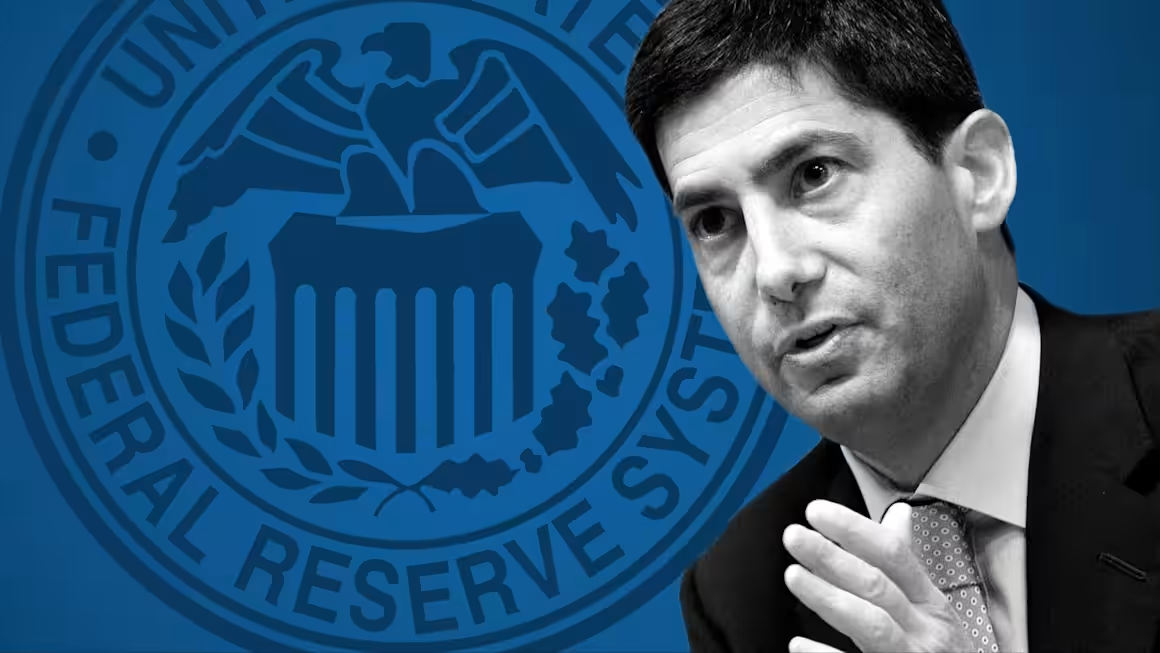
Federal Reserve Chair Kevin Warsh is under fire from economists for his approach to market messaging as signs of economic strain mount ahead of the key policymaker gathering.

Rachel Cruze and George Kamel argue that income alone does not determine financial status, identifying specific debt traps and asset-building strategies that define three distinct tiers of wealth.
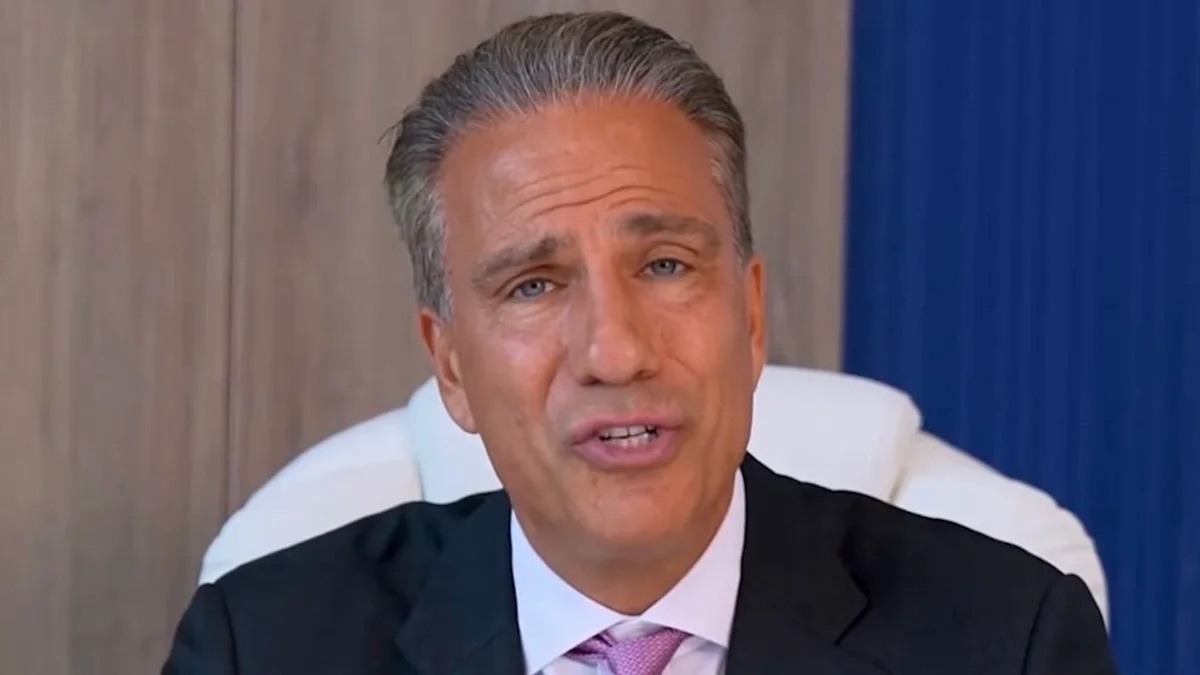
Florida real estate investor Todd Nepola argues that a long-term horizon, rather than market timing, is key to building wealth through rent, leverage, and appreciation.

Strong second-quarter results and AI-driven efficiency gains pushed Airbnb to new heights, yet a fresh downgrade suggests the stock’s premium valuation leaves little room for error.

A Financial Times analysis suggests that without targeted government intervention, businesses in sectors with low labour costs lack the economic incentive to invest in automation.

A series of thefts from unlocked vehicles in Virginia has exposed the liability limits for debit and credit card holders, prompting experts to advise immediate reporting to mitigate losses.

A $400,000 lottery win, funded by a found five-dollar bill, has led financial experts to advise a young couple to buy a home outright rather than take on debt.

The NYSE-listed lender’s second-quarter net loss fell sharply, yet pretax earnings declined and the first-half deficit widened, prompting the company to skip its semiannual dividend.
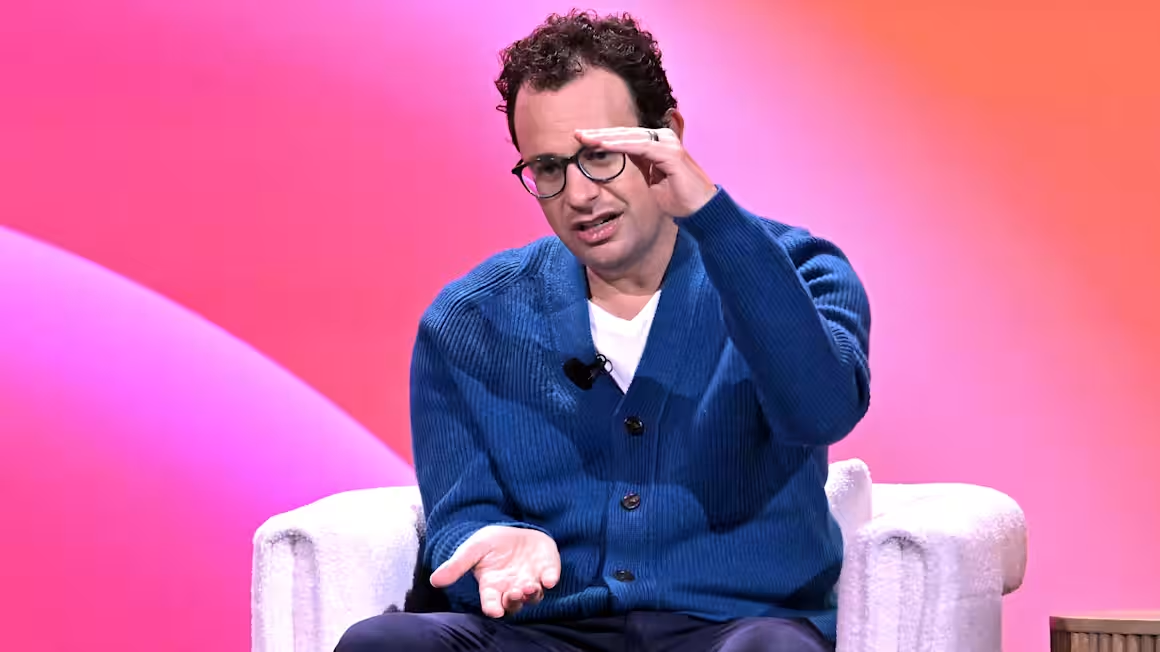
The AI lab’s flagship model is struggling to convert corporate interest into sustained demand, a challenge compounded by the rising popularity of lower-cost alternatives.

The Chinese tech giant has announced a major share placement to finance its artificial intelligence expansion, a move underpinned by the strong market reception of its latest Qwen 3.8-Max model.

A new financial analysis highlights the valuation gap between high-growth space stocks and profitable peers, noting that Rocket Lab and AST SpaceMobile are trading at significant premiums to their revenue, while Karman Holdings offers a lower-cost entry into a proven business model.

New CEO Donn Casale outlines a strategy to cut cash-based expenses by more than 40% in the second half of 2026, aiming to drive profitability for the epinephrine nasal spray.

Recent attacks have exposed the vulnerabilities of the United States’ extensive military presence in the Gulf, prompting a debate on the cost-effectiveness of rebuilding infrastructure established since the 1990s.

The US biotech firm’s cash reserves are set to run out by September, creating a critical financing deadline just as it prepares to submit its combination therapy for accelerated approval.
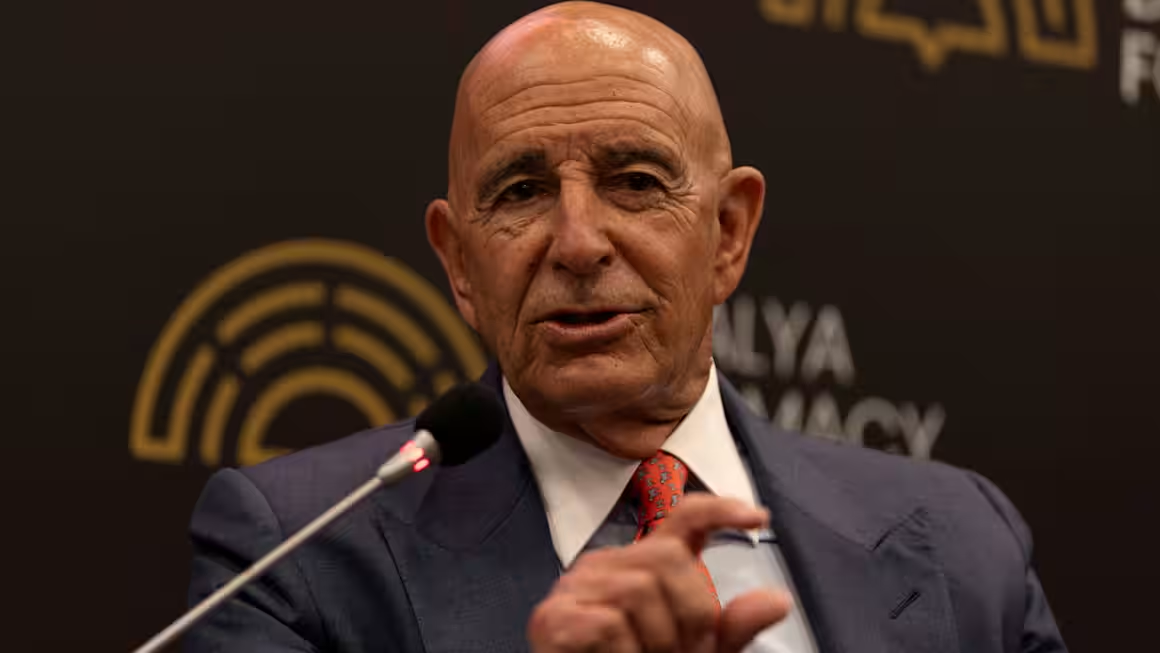
Washington’s ambassador to Ankara has characterised the recent Israeli attack on a Syrian air base as a potential “aggressive pre-election concept” designed to inflame tensions before Turkey’s October polls.
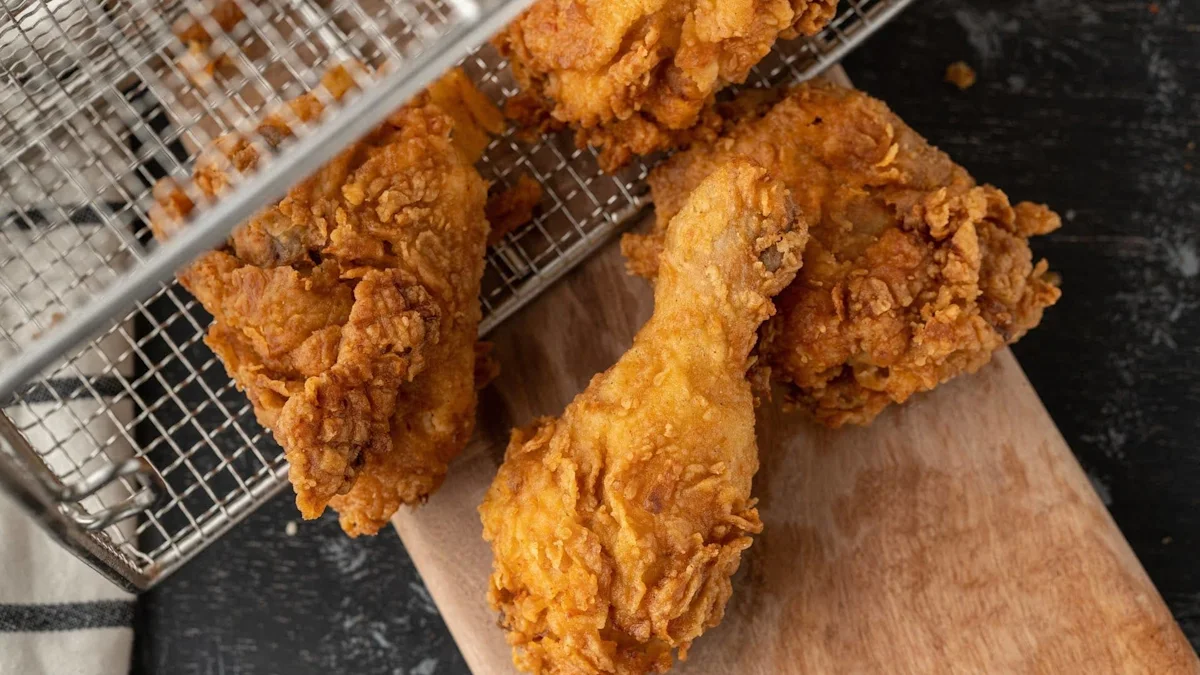
The fried chicken giant has permanently closed at least 312 American locations in the past year, a strategic retreat from a market where rivals like Chick-fil-A and Raising Cane’s have seized the high ground.

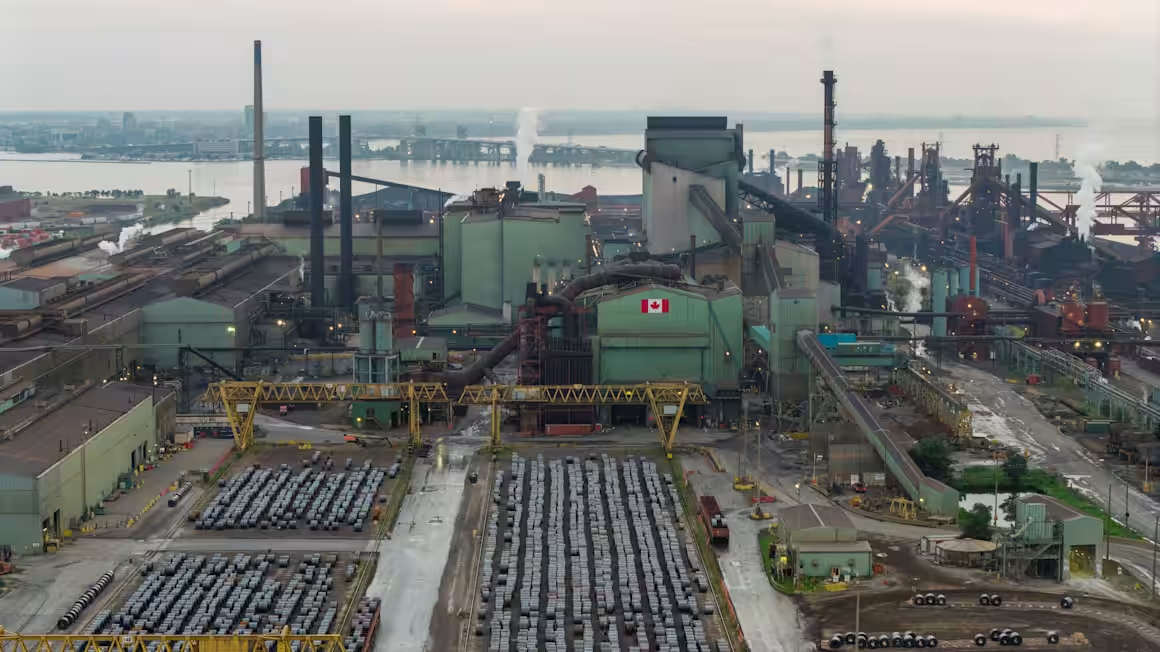
The steelmaker’s four-year modernisation project, half-funded by the US Department of Energy, aims to preserve 2,300 jobs and maintain raw-steel capacity at its Middletown Works facility.
Dan Loeb’s hedge fund has shifted away from big tech giants like Meta and Nvidia, opening new stakes in aerospace, media, and electronics firms.
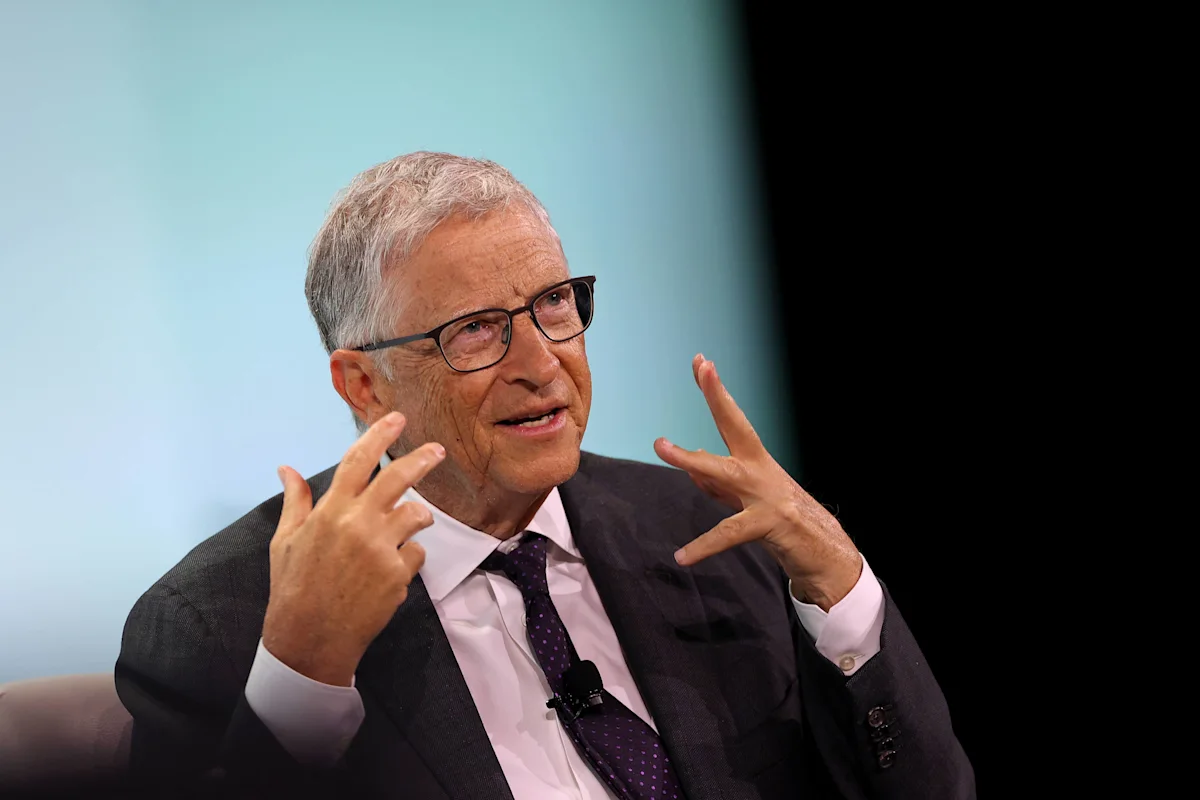
The Bill & Melinda Gates Foundation Trust has disclosed a significant portfolio shift, opening a $352.7 million position in The Home Depot while trimming its Berkshire Hathaway stake, according to its latest 13F filing.

Global order books for heavy-duty gas turbines have stretched to 2031, creating a supply bottleneck that outpaces the rapid buildout of artificial intelligence infrastructure in the United States.

Analyst Scott Devitt rates Alphabet a Buy, citing Cloud momentum and Gemini’s user surge, despite a slight deceleration in Search revenue growth.
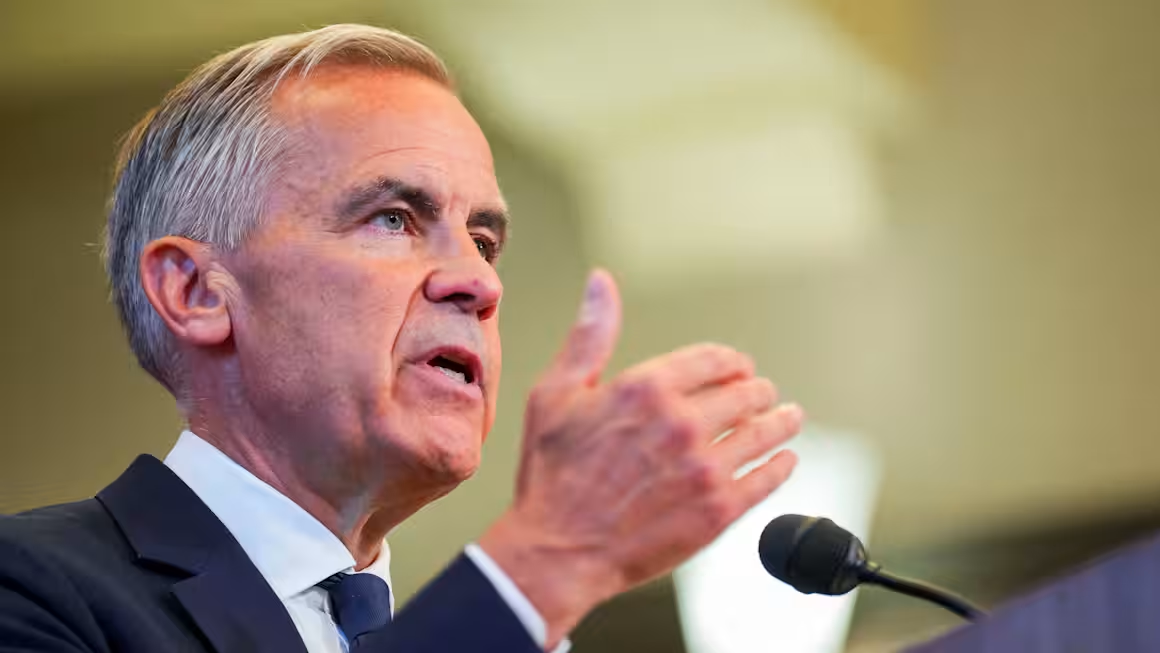
The Canadian Prime Minister accused Donald Trump of miscalculating by escalating tariff attacks, marking a sharp rhetorical shift in the bilateral dispute.

Senior executives from both sides are scheduled to meet on Monday to discuss a potential settlement for the 12-state lawsuit challenging the $110 billion acquisition.
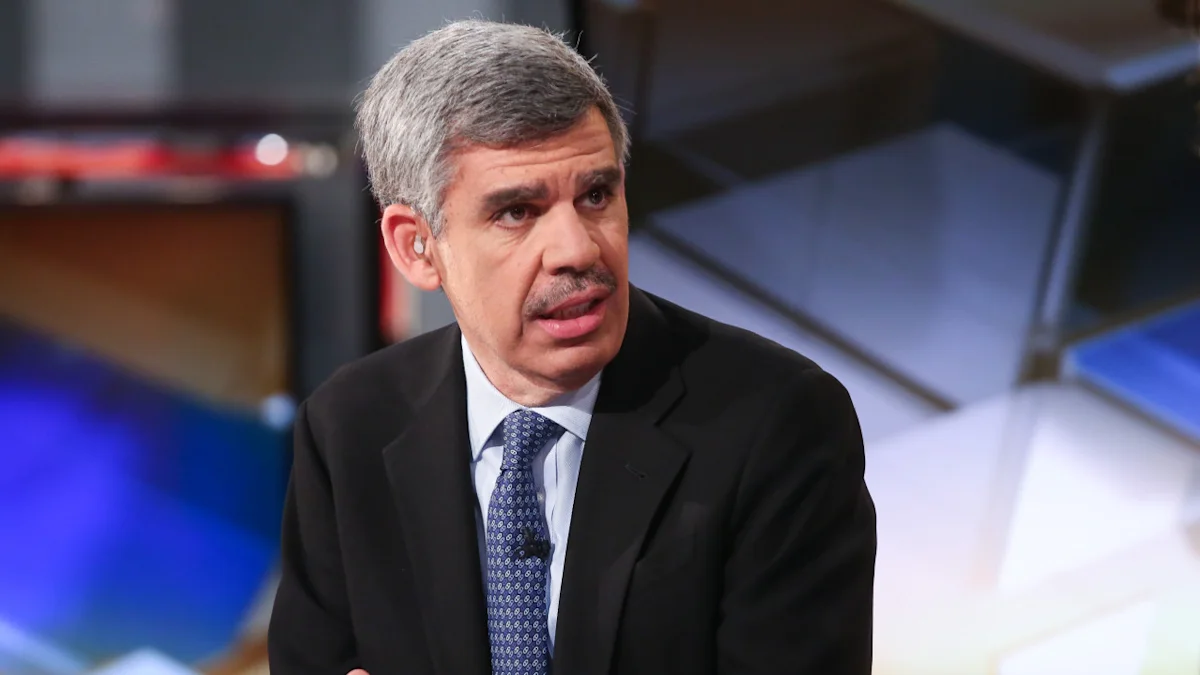
The former PIMCO chief economist argues that rising real yields, driven by tech borrowing and weak foreign demand, are set to make life in America significantly more expensive.
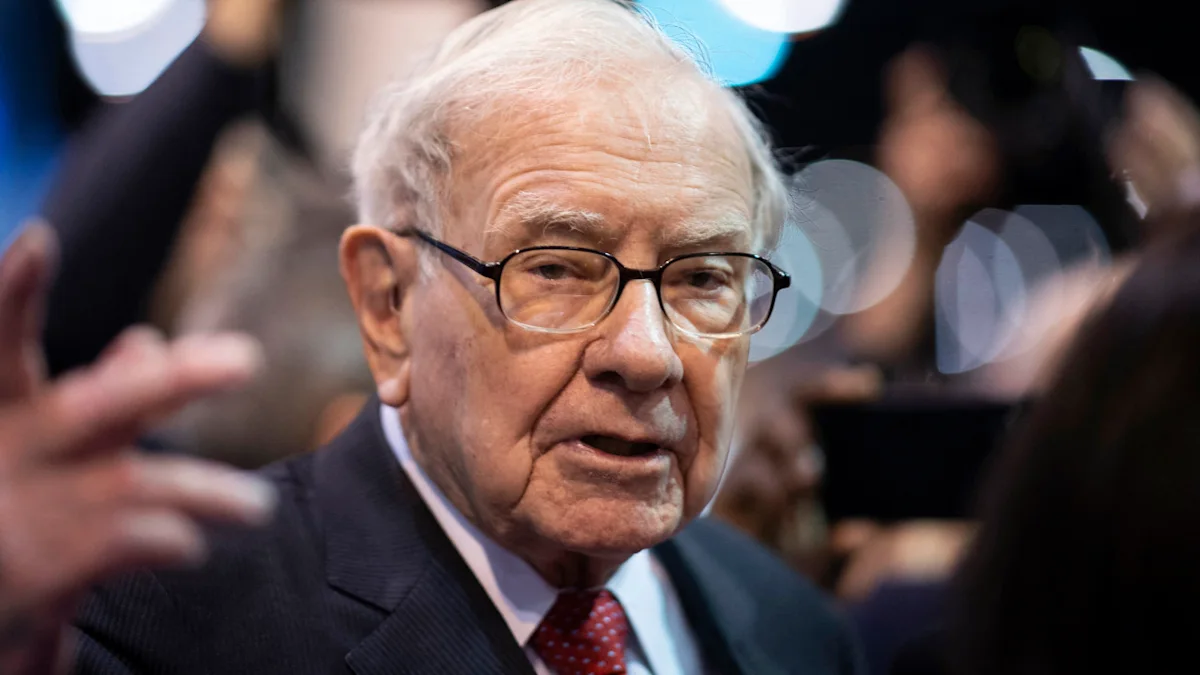
The Oracle of Omaha’s 2013 directive remains a benchmark for passive investing, with the S&P 500 delivering a 16.39% gain in 2025.

New LinkedIn data reveals a stark disparity in the artificial intelligence sector, where roles command salaries of $177,000 but remain heavily male-dominated.

US Treasury Secretary Scott Bessent has attempted to stabilise sentiment in the bond market, yet investors remain wary of underlying risks in the current financial environment.
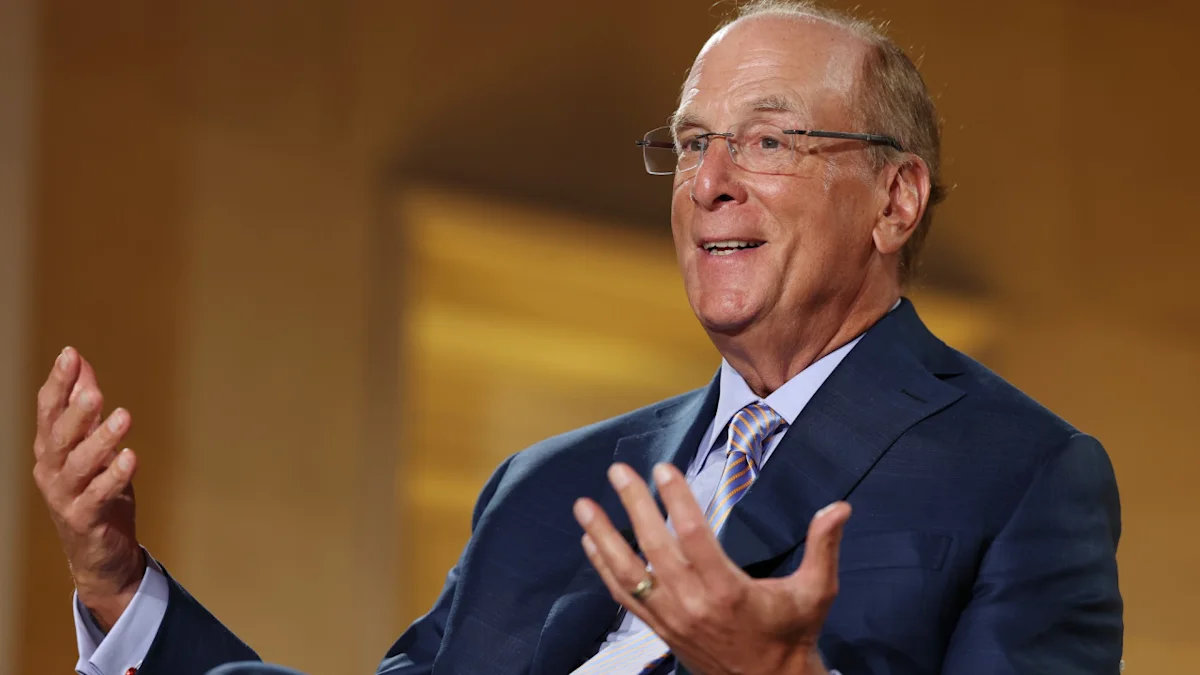
Larry Fink urges Americans to move beyond bank deposits, arguing that wages will not keep pace with wealth generated by capital in an artificial intelligence-led world.
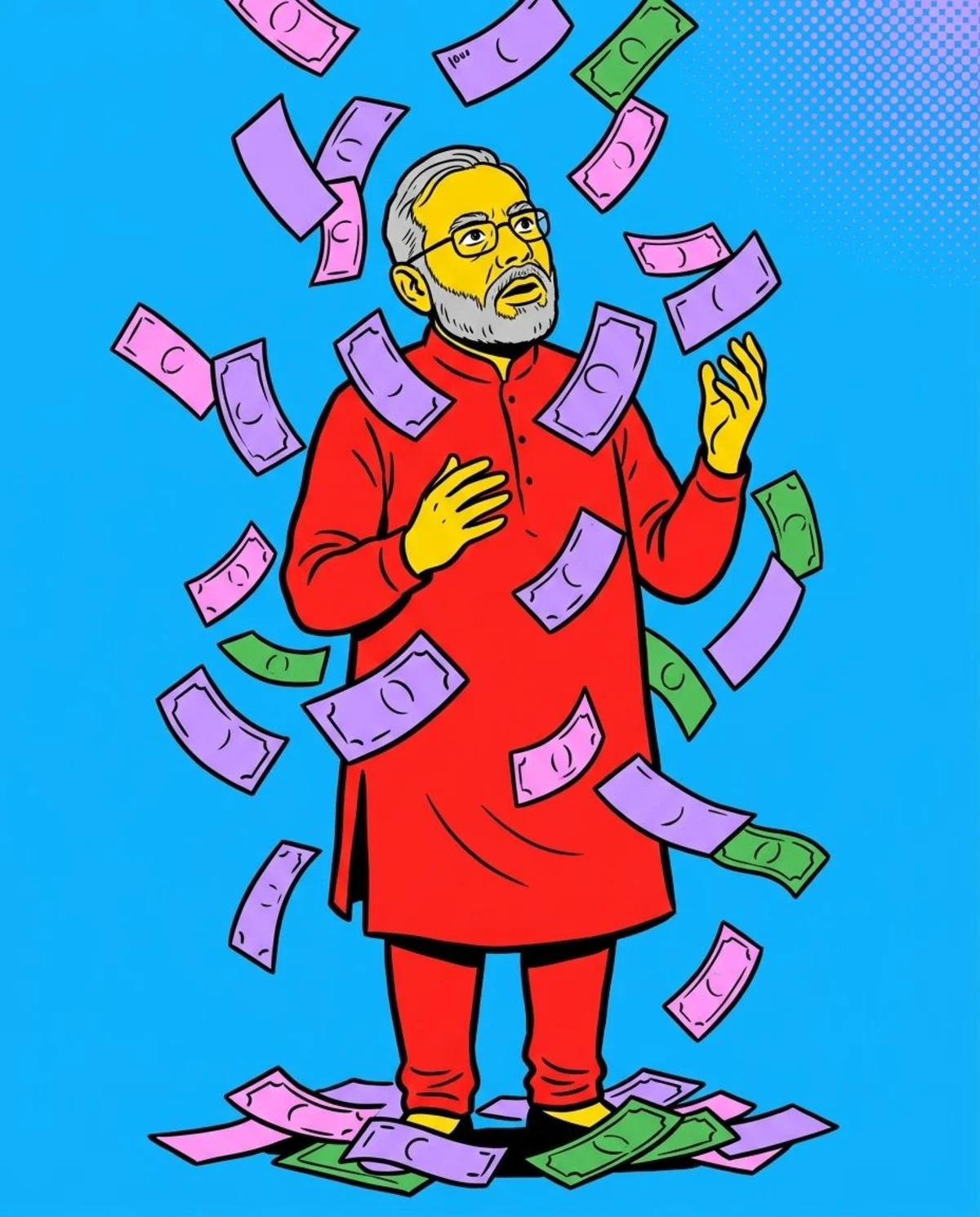
New Delhi’s commerce ministry has granted automatic approval for non-controlling stakes of up to 10 per cent from land-bordering nations, a move that has already secured $511 million in foreign direct investment.

The Swiss technology firm’s stock has surged nearly 45 per cent this year, driven by strong second-quarter results and raised full-year guidance.
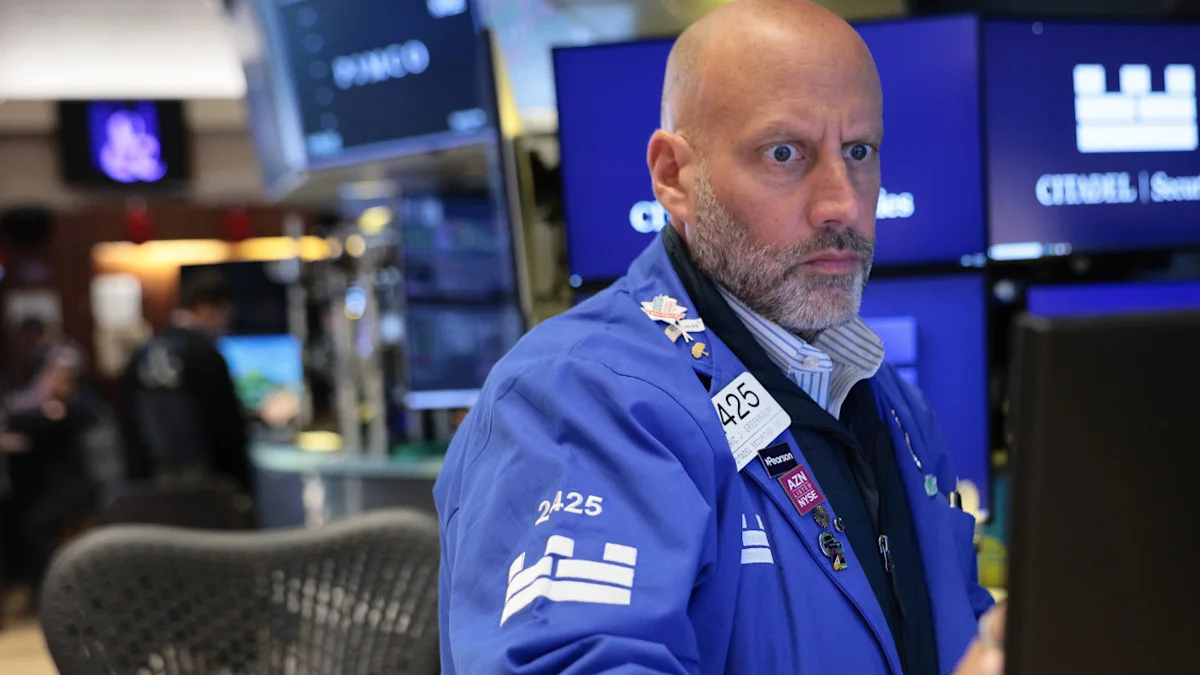
Michael Hartnett warns narrow market breadth and heavy reliance on artificial intelligence stocks mirror the 1999–2000 bubble, advising clients to adopt a defensive posture.