Space sector valuations diverge as Rocket Lab and AST SpaceMobile trade at premium multiples
A new financial analysis highlights the valuation gap between high-growth space stocks and profitable peers, noting that Rocket Lab and AST SpaceMobile are trading at significant premiums to their revenue, while Karman Holdings offers a lower-cost entry into a proven business model.
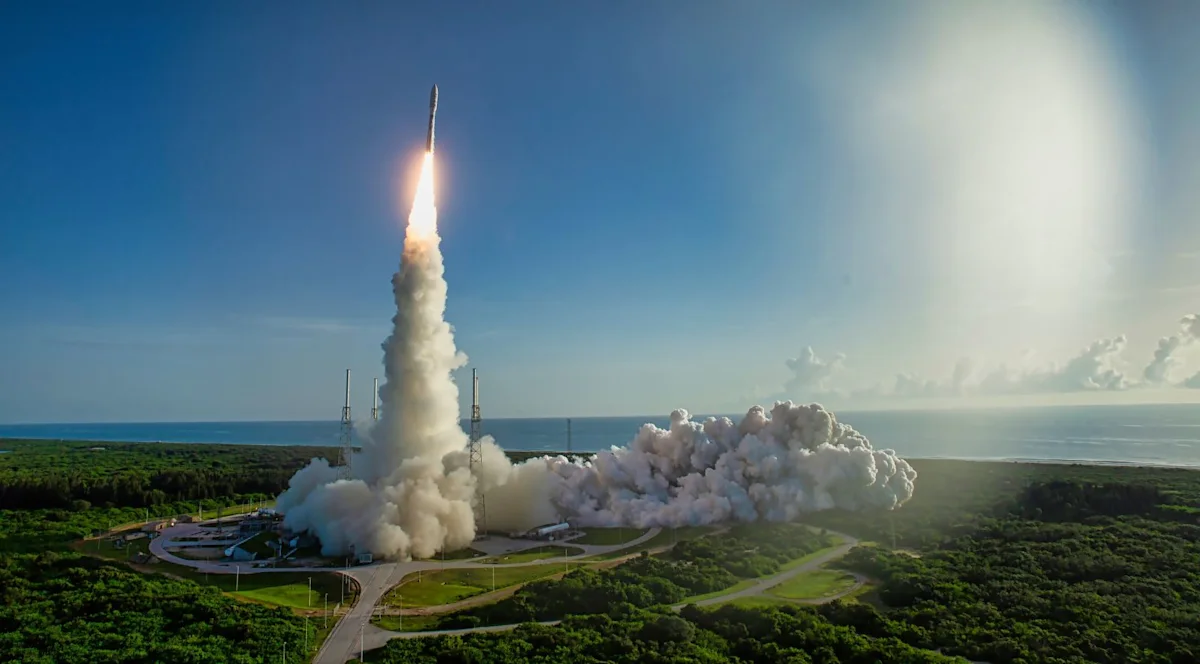
A financial analysis published on Yahoo Finance has drawn attention to the stark valuation differences within the space sector, contrasting the premium multiples of Rocket Lab and AST SpaceMobile with the more grounded pricing of Karman Holdings. The report argues that while Rocket Lab and AST SpaceMobile are trading at high levels relative to their current revenue, driven by future growth narratives and unproven technologies, Karman Holdings is positioned as a profitable alternative with a lower market capitalisation.
Rocket Lab, which is developing the Neutron rocket to compete with SpaceX’s Falcon 9, reported second-quarter 2026 revenue of $234 million, a 62 per cent year-over-year increase. Despite this record performance, the company is not yet profitable, with sources indicating it may not achieve profitability until 2027. Its price-to-sales ratio stands at 82 times, a figure significantly higher than the sector median of 2 times. The analysis notes that Rocket Lab’s revenue is increasingly driven by its Products segment, which accounts for over 75 per cent of total revenue, reducing its dependence on launch services alone.
AST SpaceMobile presents a similar high-risk, high-reward profile. The company reported second-quarter 2026 revenue of $31.5 million, derived primarily from government contracts rather than its core cellular service. With a price-to-sales ratio of 390 times, the market is pricing in a substantial future for AST, which has secured partnerships with more than 60 mobile operators representing over 3 billion subscribers. However, the company has yet to generate service revenue from its planned satellite network, which has received FCC clearance for up to 248 satellites.
In contrast, Karman Holdings, which focuses on spacecraft components such as payload protection and propulsion systems, reported second-quarter 2026 revenue of $182 million, up 58 per cent year-over-year. The company posted GAAP net income of $14 million, more than double the previous year’s figure. Founded in 2020 and turned profitable in 2023, Karman went public in 2025 and has issued 2026 revenue guidance of $730 million to $745 million, with 95 per cent visibility provided by its current backlog.
The analysis highlights the disparity in market capitalisations, with Rocket Lab valued at approximately $46 billion, AST SpaceMobile at $25 billion, and Karman Holdings at around $7 billion. This means investors are paying nearly seven times more for Rocket Lab and three times more for AST SpaceMobile than for Karman, despite the latter’s established profitability and strong growth trajectory.
The report suggests that while Rocket Lab and AST SpaceMobile offer significant upside potential if their respective technologies and networks succeed, they carry higher risk due to their reliance on future execution. Karman Holdings, meanwhile, is described as a more established business model, offering investors exposure to the space sector with a cushion provided by existing profits and a solid backlog, albeit without the transformative narrative attached to its peers.