Dollar recovers from lows as Canada faces 50 per cent tariff shock
The U.S. dollar edged higher on Monday, rebounding from three-month lows, while the Canadian currency suffered its steepest drop since mid-June following the announcement of significant new trade levies.
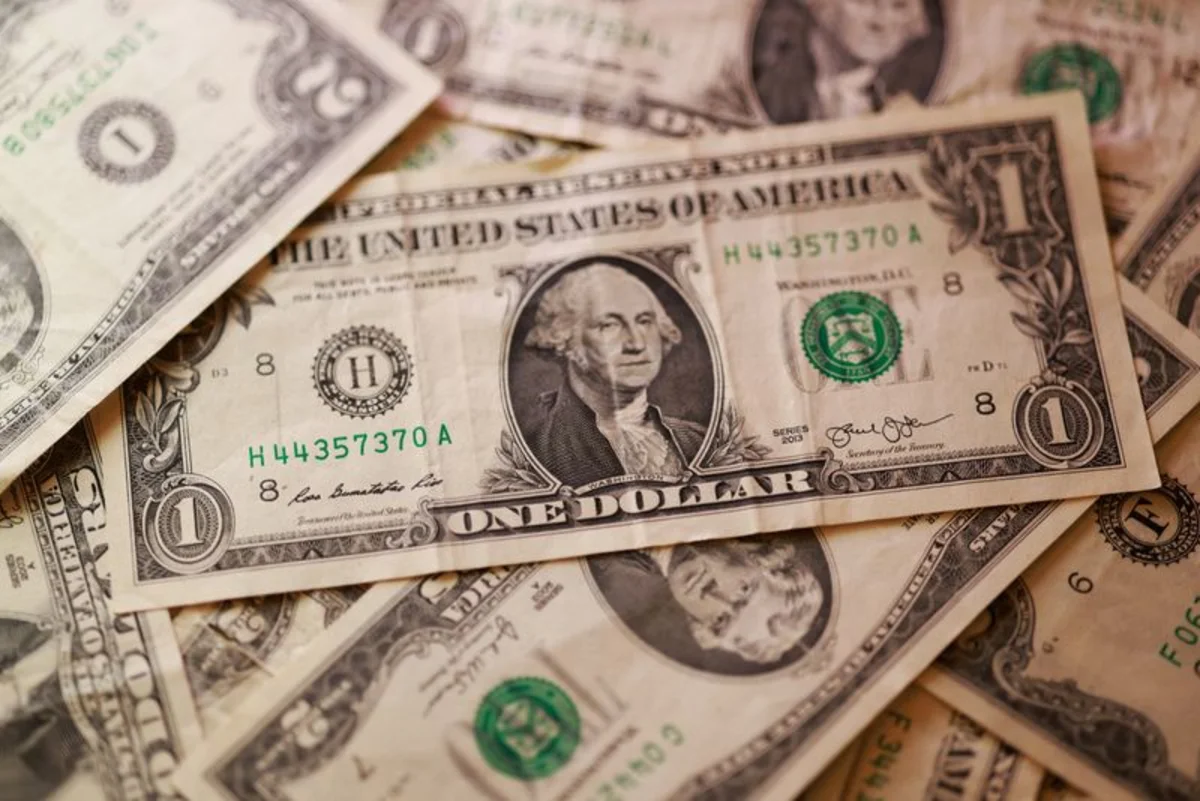
The U.S. dollar index rose 0.11 per cent to 98.94 on Monday, marking a slight recovery after the greenback recorded its third weekly decline in four weeks. This recent weakness had previously pushed the currency to its lowest levels in three months. The modest gain came as investors digested new information regarding U.S. fiscal policy and escalating trade tensions with Canada.
The Canadian dollar was the primary loser in the session, falling 0.41 per cent against the U.S. dollar to C$1.382. This represented the loonie’s biggest drop since 17 June and snapped a three-day streak of gains. The decline followed Washington’s imposition of 50 per cent tariffs on Canadian goods, a move that has prompted Ottawa to promise a "dollar for dollar" retaliation.
President Donald Trump confirmed in a social media post that tariffs on all cars, trucks, automotive parts, and steel will increase to 50 per cent starting 1 January 2027. For institutions and investors, the shift towards more direct economic levers in the US-Canada relationship is a key development. Market participants are now monitoring for further details on enforcement mechanisms and potential negotiations that may alter the trajectory of this trade dispute.
Simultaneously, the U.S. Treasury is moving to support the bond market. Following last week’s announcement that it would double the size of liquidity support buyback operations for longer-dated notes and bonds, CNBC reported that Secretary Scott Bessent may tap the department’s near $1 trillion General Account to fund these purchases. This approach would avoid the need to issue short-term bills, a move that has sparked debate among economists regarding its long-term impact on the government’s debt burden.
Brian Jacobsen, chief economist at Annex Wealth Management, described the potential use of the General Account as an "interesting experiment." He noted that while lower long-end bond yields might not fix the underlying debt problem, the move could make the government’s debt burden more sensitive to changes in the Federal Reserve’s policy rate. The dollar pared some of its gains after this report emerged, alongside longer-dated Treasury yields.
Elsewhere in the currency markets, sterling edged up 0.03 per cent to $1.3644, holding near its six-month high. The euro fell 0.07 per cent to $1.1671, while the Japanese yen softened 0.11 per cent to 159.13 per dollar. In digital assets, bitcoin gained 1.67 per cent to $78,696.12 after registering its largest weekly gain in nearly three and a half years.
Investors are now looking ahead to a busy week for U.S. economic data, including the personal consumption expenditures price index and second-quarter growth estimates. Federal Reserve Chairman Kevin Warsh is also scheduled to speak in Jackson Hole, Wyoming, on Friday, where market participants hope for guidance on the outlook for U.S. interest rates, though some economists suggest he may avoid explicit forward guidance.