Ramsey Show hosts map the spending habits that separate the broke from the wealthy
Rachel Cruze and George Kamel argue that income alone does not determine financial status, identifying specific debt traps and asset-building strategies that define three distinct tiers of wealth.
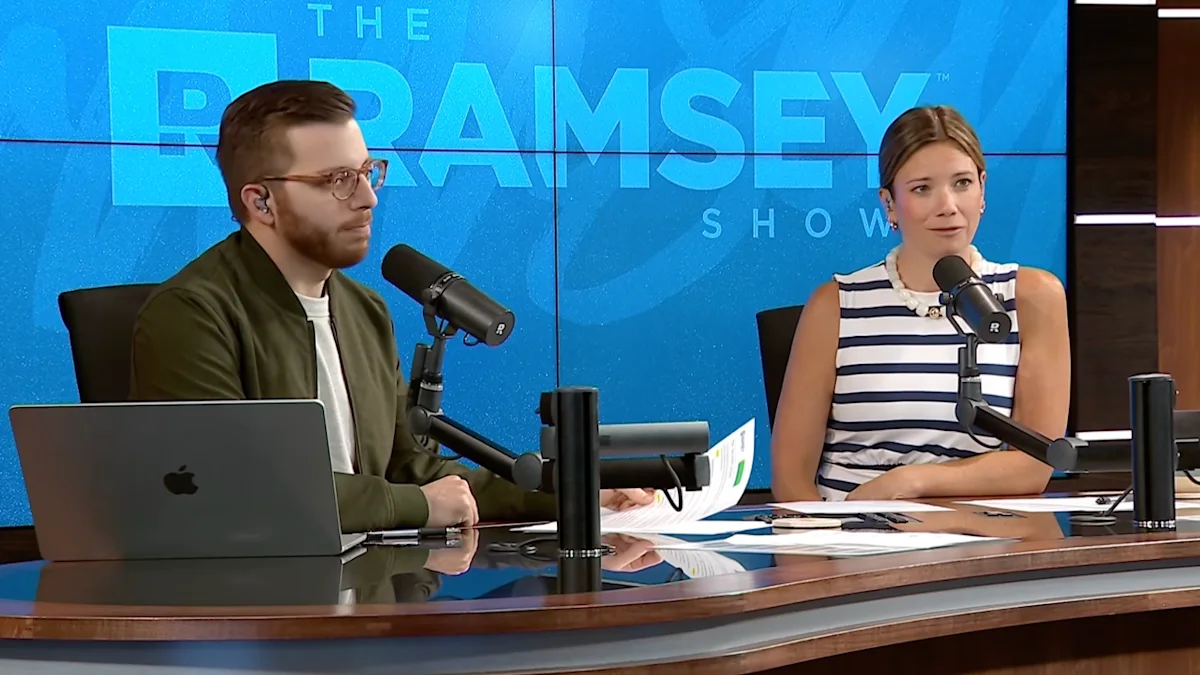
Rachel Cruze and George Kamel, co-hosts of "The Ramsey Show," have outlined a framework for categorising individuals into three financial tiers: broke, average, and wealthy. In an article published on Moneywise.com and syndicated via Yahoo Finance, the hosts argued that behaviour, rather than income level, is the primary driver of financial wellness. Cruze noted that an individual can earn a high income yet remain broke, while another with a modest income can build significant wealth through intentional spending and saving habits.
The hosts identified high-interest debt as a primary indicator of financial distress. Kamel described payday and title loans as the "saddest" clue of a broken financial system, noting their prevalence in low-income areas. These short-term, high-interest loans often spiral into debt cycles or result in the loss of a vehicle. Cruze added that lottery ticket purchases, which are more common in low-income ZIP codes, offer "false hope" and statistically impossible odds, effectively "stealing from people" who are desperate for a way out.
For the "average" or middle-class tier, the hosts pointed to the over-reliance on credit card rewards and buy-now-pay-later plans. Cruze explained that credit cards intended for monthly payoff often become a trap when emergencies arise, leading to substantial debt. She and Kamel observed that individuals who pay interest on their balances effectively "subsidise the rewards" for those who pay in full. Kamel warned that these tools are frequently used to fund lifestyles that consumers cannot actually afford.
Vehicle purchases were highlighted as a critical area of "bad math." Kamel cited an example where a consumer pays $50,000 for a car but ends up paying $60,000 in total costs due to interest, while the vehicle’s value drops to just $20,000 by the time it is paid off. Cruze described this as a "classic example of making someone else rich," benefiting banks and car dealerships while the owner pays interest on a depreciating asset.
In contrast, the hosts advised that wealthy individuals focus on acquiring assets that generate income. Kamel stated that one "can’t save your way to wealth," recommending investments in stocks and real estate through vehicles such as 401(k)s, IRAs, and mutual funds. The hosts also emphasised the importance of buying used vehicles, specifically those at least two years old, to avoid the steep initial depreciation associated with new cars.
Finally, the pair noted that wealthy individuals pay off their primary residences early to free up cash for further investing and giving. They stressed the importance of maintaining an intentional budget and having a clear plan for retirement and future goals. By living intentionally and directing money toward appreciating assets rather than depreciating liabilities, individuals can move forward in their financial lives regardless of their starting point.