Gas turbine shortage becomes primary constraint on AI data centre expansion
Global order books for heavy-duty gas turbines have stretched to 2031, creating a supply bottleneck that outpaces the rapid buildout of artificial intelligence infrastructure in the United States.
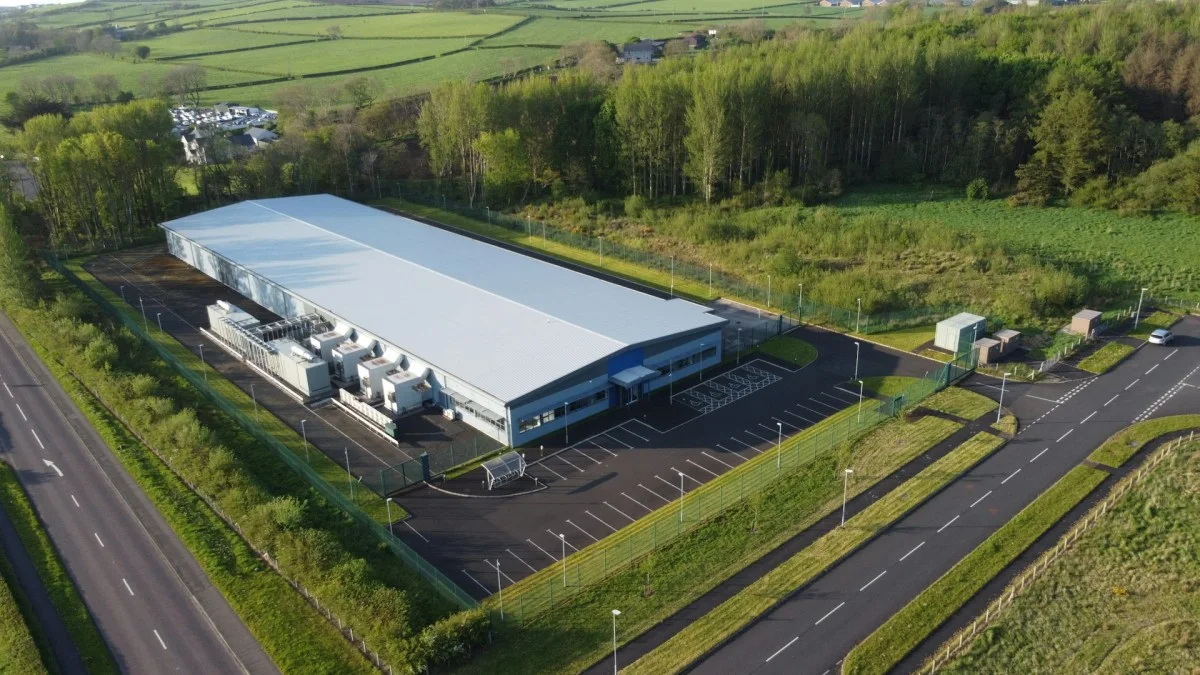
The rapid expansion of AI data centres is increasingly colliding with a physical limit in the global energy supply chain. Order books for heavy-duty gas turbines have extended to 2031, meaning equipment ordered today will not arrive for five to seven years. This delay sits beneath the power plans announced by major technology firms over the last two years, creating a significant mismatch between projected demand and available hardware.
Major manufacturers including GE Vernova, Siemens Energy, and Mitsubishi Heavy Industries report record backlogs, with lead times increasing to five or seven years. GE Vernova confirmed on its July 22 earnings call that it is taking reservations for 2031 delivery. The company closed the second quarter with 116 GW of gas power equipment backlog and slot reservation agreements, up from 83 GW at the end of 2025. Siemens Energy ended its fiscal third quarter with a 69 GW backlog, while Mitsubishi Heavy Industries reported a 35 GW large-frame backlog.
Goldman Sachs projects that US data centre power demand will reach 66 GW by 2027, a figure that exceeds the industry’s annual manufacturing capacity. The bank estimates US data centre power demand will climb from 31 GW in 2025 to 41 GW in 2026. By 2027, data centres are projected to account for 8.5% of total US peak summer demand, up from 4.1% currently. Wood Mackenzie puts worldwide manufacturing capacity at 60 to 70 GW a year, against roughly 110 GW of orders.
The shortage has driven turbine prices up by nearly 50 per cent, with BloombergNEF putting the average combined-cycle project at $2,157 per kilowatt last year, up from under $1,500 in 2023. The price increase is attributed to bottlenecks in castings, welders, and factory slots rather than fuel costs. Henry Hub spot gas was trading around $2.79 per MMBtu in mid-August, which is unremarkable by recent standards. PJM’s capacity auction for the 2028/2029 delivery year cleared at the maximum price cap of $325 per megawatt-day, yet the system remained 6,831 MW below its own reliability requirement.
While some utilities are auditing and reducing speculative data centre load forecasts, the equipment shortage remains the primary limiting factor for the sector's growth. Exelon cut its "high probability" data centre load from roughly 18 GW to about 11 GW in July, a drop of nearly 40%. In Texas, Governor Greg Abbott ordered an audit of every data centre in the ERCOT interconnection queue after requests swelled to roughly 474 GW. BloombergNEF estimates the pause puts nearly 50 GW at risk of delay.
The bottleneck is expected to be resolved through regulatory and state-level actions rather than factory expansion alone. If demand is real, the shortfall will be covered by reciprocating engines and existing plants running harder. If demand is not real, the correction will appear as canceled slot reservations in 2028 and 2029. Either way, the gap between projected AI power needs and available gas turbine supply will persist through the late 2020s.