US retailers deploy over $100 billion in tariff refunds
Following a Supreme Court ruling that struck down IEEPA tariffs, major US retailers are utilising billions in refunds to lower prices, boost margins, or return cash directly to customers.
Major US retailers are deploying billions of dollars in tariff refunds returned by the federal government, with more than $100 billion in funds distributed to businesses as of late July. The refunds follow a Supreme Court ruling in February that struck down tariffs imposed under the 1977 International Emergency Economic Powers Act (IEEPA). This amount represents approximately 60 per cent of the total $166 billion collected under the IEEPA tariffs, according to data from the Trump administration.
The distribution of these funds has created a strategic dilemma for industry leaders. David Silverman, senior director at Fitch Ratings, noted that the refunds present a predicament for businesses due to the perception that consumers ultimately paid the cost of those tariffs through higher prices. Consequently, retailers are adopting varied approaches to deploy the cash, ranging from offsetting costs and cushioning margins to investing in marketing and cutting prices.
Walmart, which received approximately $2.9 billion in refunds, plans to use the funds to lower prices on groceries and general merchandise. The amount represents about 0.5 per cent of the company’s annual US net sales. CFO John David Rainey stated that the retailer intends to lower prices in areas where customers are flocking, following a first half in which Walmart US lowered prices on roughly 11,000 items.
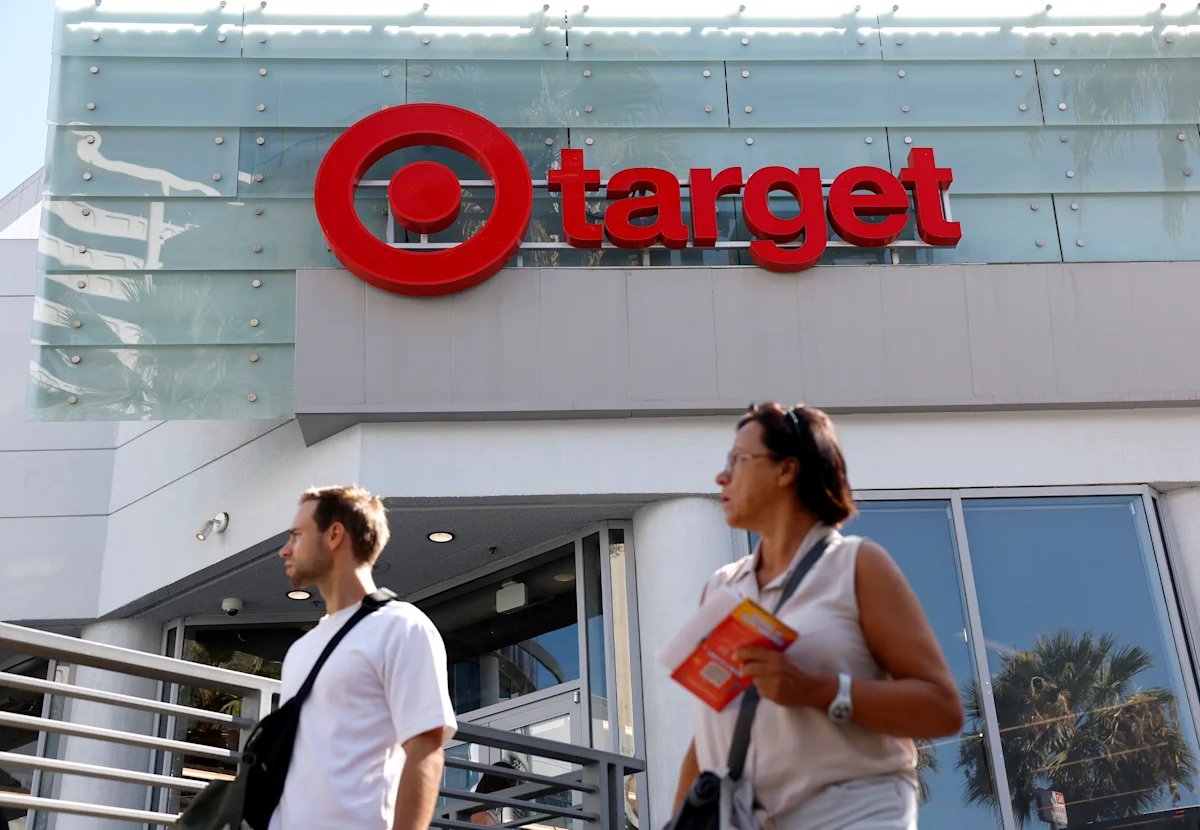
Target took a different approach, using $994 million in tariff refunds received in the second quarter to boost its margins. This move contributed $1.65 to its $4.11 earnings per share. The company has also cut prices on more than 10,000 items over the past year. Meanwhile, Amazon received an approximate $600 million payout, which CFO Brian Olsavsky described as limited due to the company’s efforts to buy ahead to avoid tariffs.
Amazon is issuing direct refunds to a limited set of customers who were passed specific import charges, while using the remainder to lower prices. Olsavsky noted that Amazon is not the importer of record for the majority of items it sells, as suppliers source the products. Home Depot received $730 million in refunds and used $685 million to reduce its cost of goods sold, offsetting higher costs for fuel, energy, resin, and metals.
Lowe’s, which has received $80 million so far, is still determining its strategy. CEO Marvin Ellison stated the company is weighing how to best deploy the funds, noting that any actions taken this year will be compared against last year’s performance. The company has filed for additional refunds and is looking for ways to benefit customers without being as promotional as competitors.