Zelenskyy requests US interceptor stockpiles as Russian strikes intensify on Ukrainian ports
President Volodymyr Zelenskyy outlines a critical dependency on American Patriot systems to survive the winter, citing a severe deficit in air defence capabilities following the diversion of supplies to the US-Iran conflict.
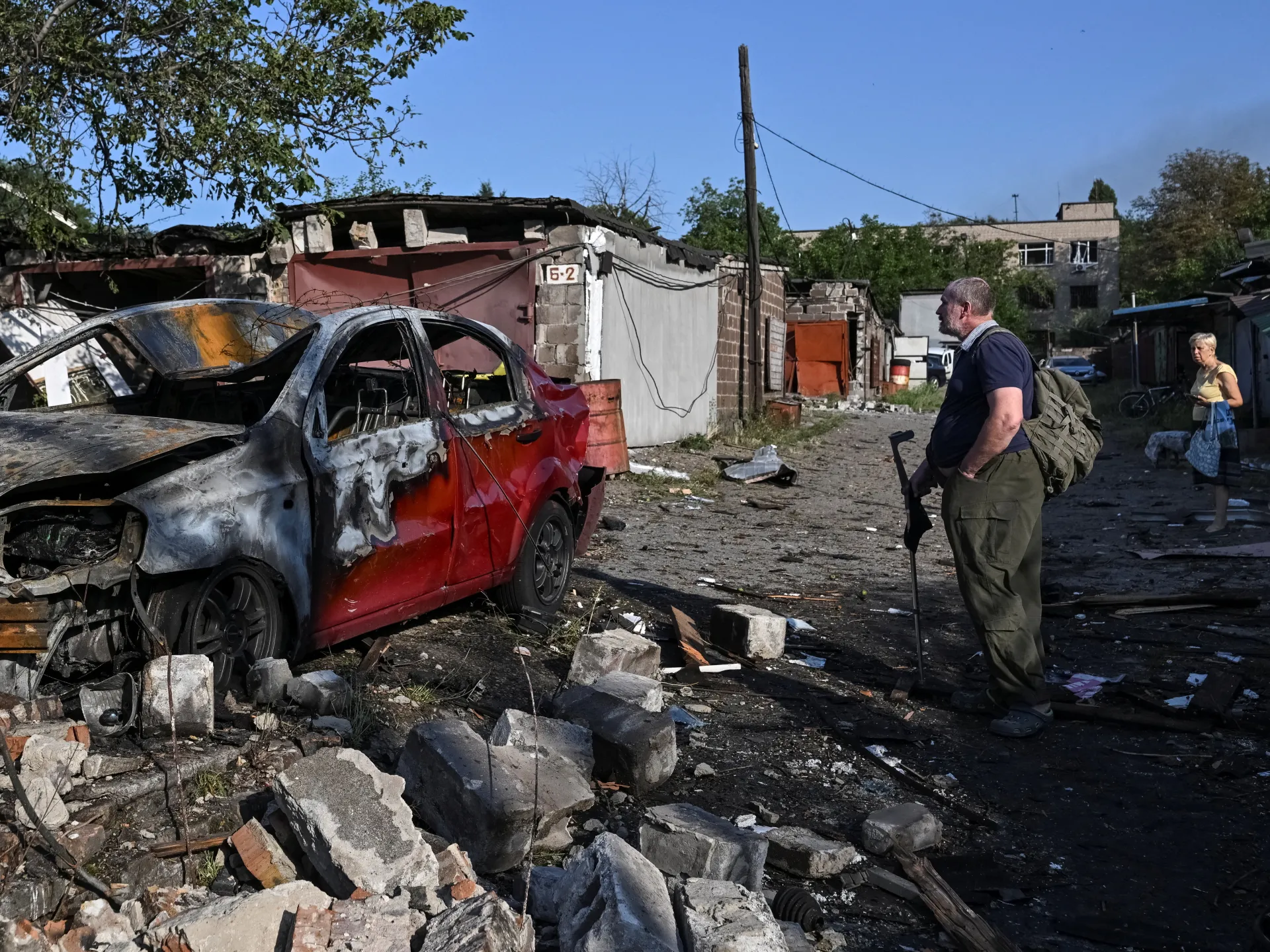
Russian forces have struck infrastructure at Ukraine’s Izmail port in the southern Odesa region, sparking a fire that emergency personnel are currently extinguishing. The attack on Ukraine’s largest Danube port, which handles significant grain and commodity exports, occurred just a day after Kyiv launched strikes on Russia’s Novorossiysk port. The Izmail Regional State Administration confirmed the damage to port facilities in a statement on the Telegram app, highlighting the continued vulnerability of Ukraine’s logistical hubs despite their proximity to the Romanian border.
The strike coincides with a deepening crisis in Ukraine’s air defence posture. President Volodymyr Zelenskyy has formally requested that the United States sell Kyiv five percent of its Patriot interceptor stockpiles to ensure survival through the winter, and ten percent to neutralise all Russian ballistic projectiles. Zelenskyy stated that Ukraine currently possesses only one percent of the interceptors required to meet current threats, a figure that represents a decline of two and a half times compared to 2025 levels. He emphasised that Russia has doubled its monthly output of ballistic missiles, creating a disparity that Ukraine’s current defences cannot address.
The shortage of interceptors has been exacerbated since the United States and Israel launched military operations against Iran in February, which diverted supplies of advanced defence systems away from the Eastern European theatre. Ballistic missiles present a distinct challenge to air defence networks due to their high velocity and steep trajectories, making them significantly harder to intercept than cruise missiles or drones. This technical difficulty was underscored in a recent attack where Ukraine failed to intercept any of the 28 ballistic missiles launched at it.
In response to the interception difficulties, Ukraine’s air force announced it would cease publishing detailed figures on ballistic missile strikes, including data on targets launched, shot down, or suppressed. Air force communications chief Yurii Ihnat confirmed on Facebook that while real-time warnings and generalised launch figures would continue, specific operational metrics would no longer be released. This decision follows a month in which Russia fired more than 450 missiles at Ukraine, with nearly 200 following ballistic trajectories, contributing to weekly barrages that have killed civilians and destroyed homes in Kyiv.
Zelenskyy described the diplomatic efforts to secure these supplies as extensive, noting he has made millions of phone calls to American partners. While he expressed hope that the United States would respond to his requests, he declined to disclose specific details of his diplomatic engagements, stating only that he is undertaking actions he cannot share publicly. The situation underscores the strategic pressure on Kyiv as it attempts to maintain civil protection and infrastructure integrity against an increasingly sophisticated Russian aerial campaign.