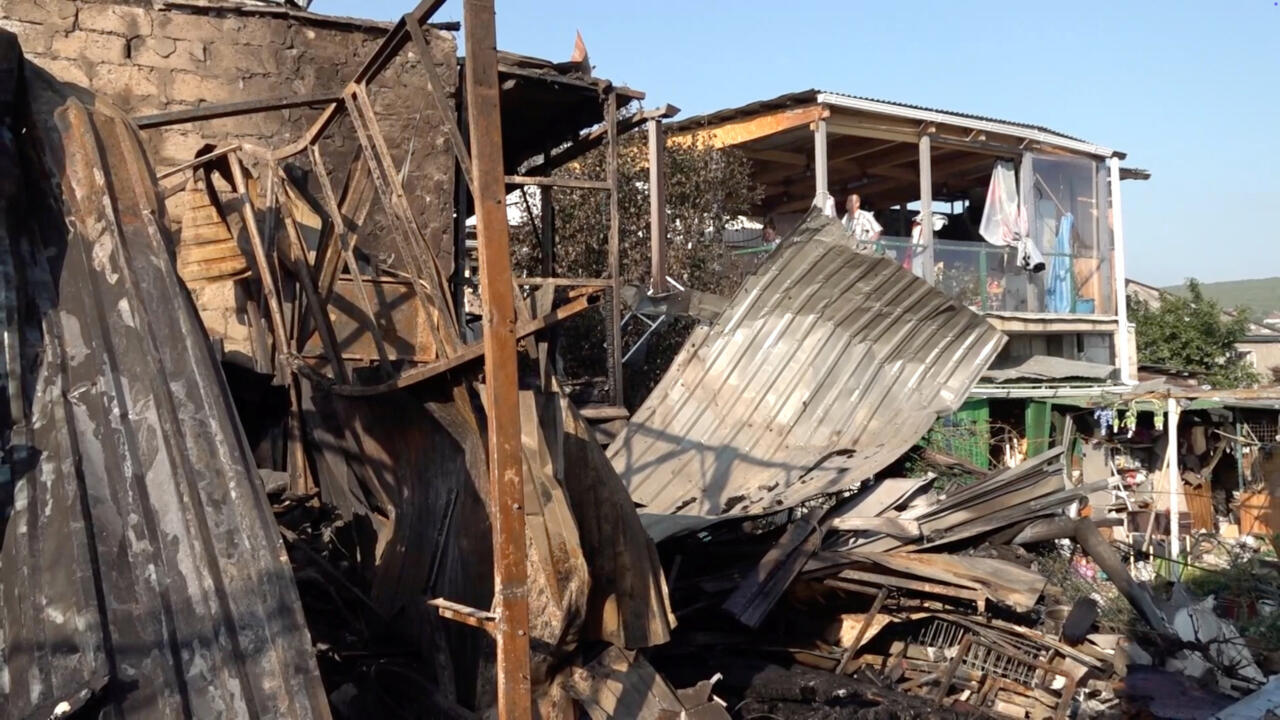
Putin’s first Kuril islands visit deepens diplomatic rift with Tokyo
Japanese Foreign Minister Toshimitsu Motegi issues strong protest as Kremlin highlights strategic presence in the Far East
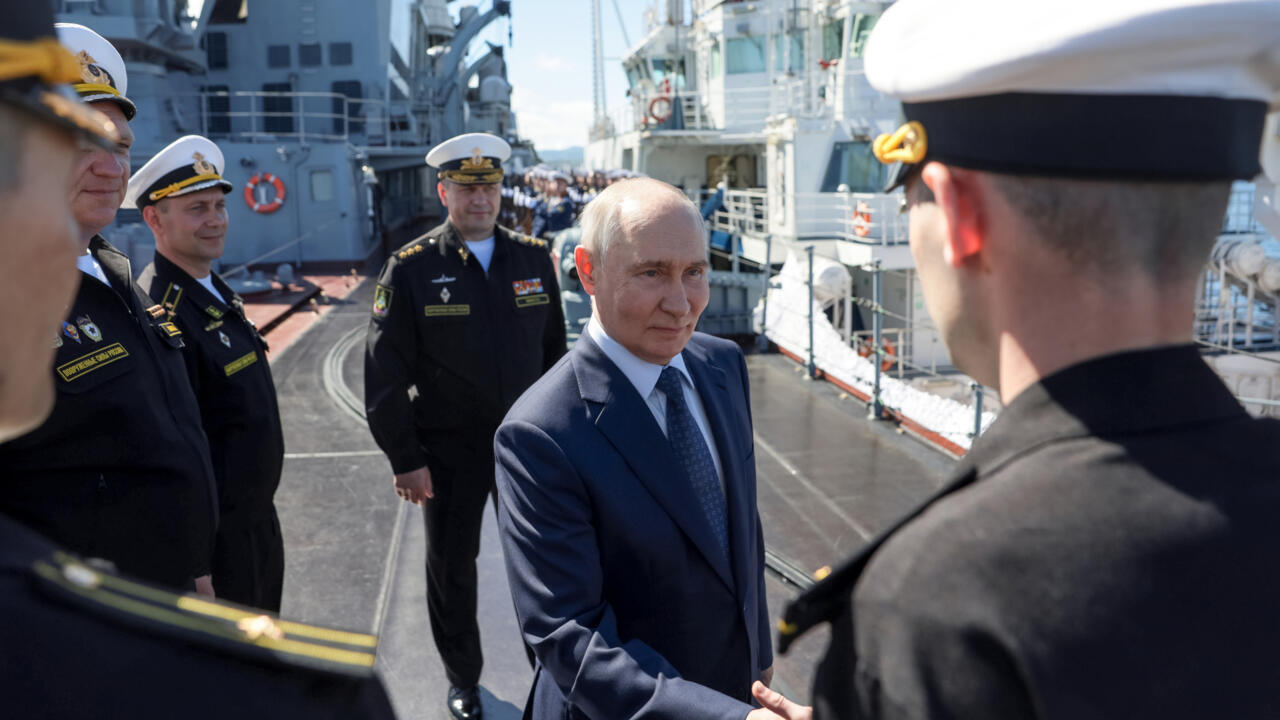
Russian President Vladimir Putin has visited the disputed Kuril islands for the first time, triggering an immediate and strong protest from Tokyo. The visit underscores the enduring territorial friction between the two nations, with Japanese Foreign Minister Toshimitsu Motegi asserting that the archipelago is an inherent part of Japan’s territory both historically and under international law.
The Kremlin released footage of Putin on the islands, where Russian media reported he toured a fish-processing plant and was served caviar. The trip to the disputed territory followed a visit to the nearby Russian island of Sakhalin, where the Russian navy was conducting drills. During his time on Sakhalin, Putin held a meeting focused on "ensuring the security of Russia's eastern borders," according to state news agency RIA Novosti.
Tokyo’s reaction was swift, with Motegi posting a statement on the social media platform X to condemn the visit. The Japanese government maintains that the islands, known in Japan as the Northern Territories, were seized by the Soviet Union in the final days of World War II in 1945. This latest diplomatic row occurs against a backdrop of deteriorating relations, which have worsened significantly since Russia’s full-scale invasion of Ukraine in 2022.
The four contested isles—Kunashir, Habomai, Shikotan, and Iturup in Russian, or Kunashiri, Habomai, Shikotan, and Etorofu in Japanese—lie in a volcanic arc between Russia’s Kamchatka peninsula and Japan’s northernmost island of Hokkaido. The territory is home to approximately 20,000 Russian citizens and is rich in mineral deposits, including gold and silver, as well as extensive fishing grounds.
Moscow’s occupation of the islands led to the deportation of their Japanese population of about 17,000 people. While diplomatic relations were established in 1956, with Soviet leader Nikita Khrushchev suggesting the return of two islands under a peace treaty, no progress has been made since the fall of the Soviet Union in 1991. Although former President Dmitry Medvedev visited the islands in 2010 and subsequently as prime minister, Putin’s visit marks the first by a Russian president.
The strategic importance of the Kurils has been a constant feature of post-war geopolitics, providing air and sea bases during the Cold War as the Soviet Union confronted the United States and its Pacific ally, Japan. Today, the islands remain a flashpoint, particularly as Moscow’s relations with China and North Korea have warmed while ties with Japan remain frozen.