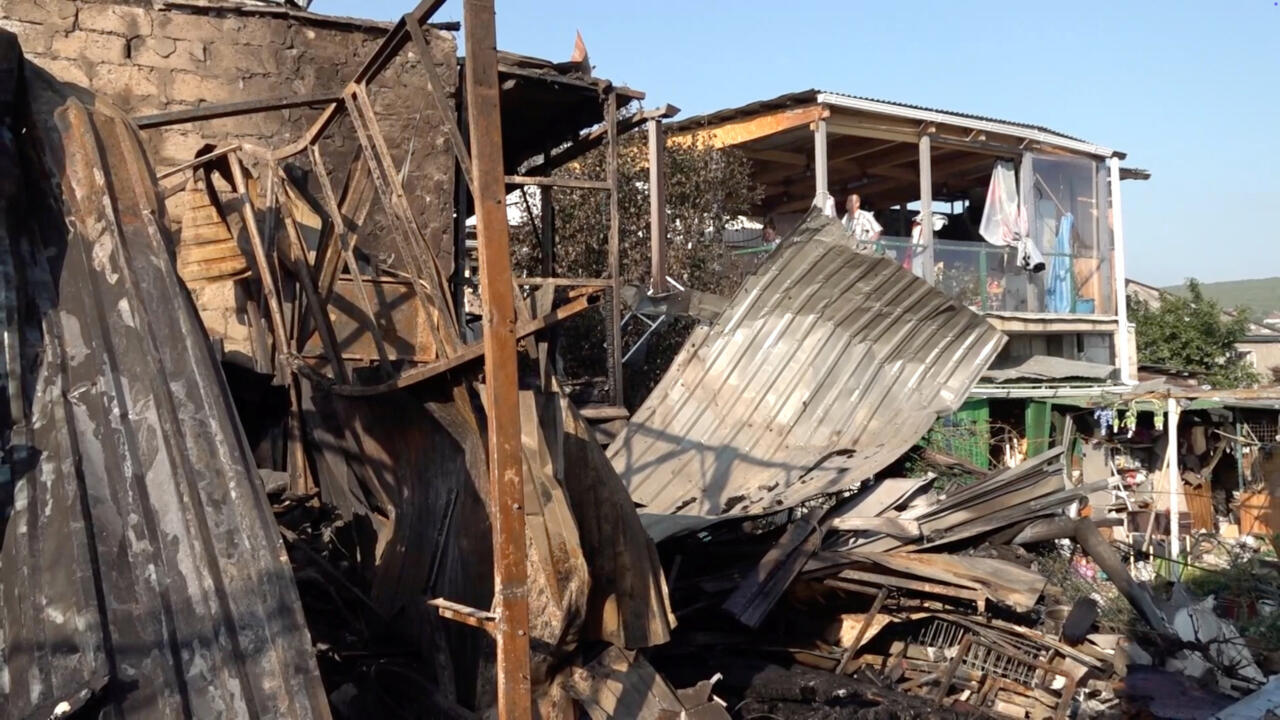
Aid collapse and clinic closures drive acute malnutrition crisis in Afghanistan
A 70 percent reduction in humanitarian aid since 2022 has forced the closure of approximately 600 essential healthcare facilities, leaving one in ten Afghan children acutely malnourished.
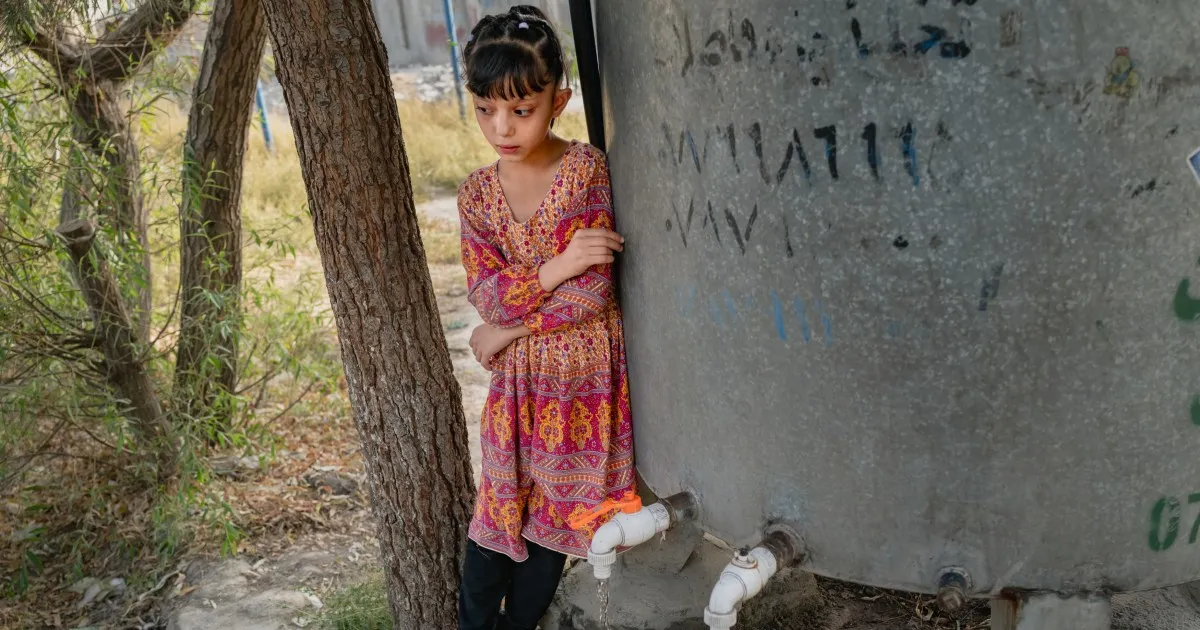
A severe deterioration in child health outcomes across Afghanistan has been documented by Save the Children, with new data indicating that 3.7 million children under the age of five are suffering from acute malnutrition. The organisation reports that this figure represents one in ten children in the country, a proportion that is actively rising rather than stabilising. According to the agency, levels of acute malnutrition worsened in two-thirds of provinces in the second quarter of 2026 compared to the same period the previous year.
The crisis is directly linked to a systemic collapse in healthcare funding, which has precipitated the closure of approximately 600 essential health facilities. These closures have impacted an estimated 4 million people, half of whom are children. Save the Children notes that acute malnutrition, or wasting, has surged by 14 percent over the past four years, driven by a combination of reduced food intake and severe illness resulting from the lack of medical intervention.
Humanitarian aid for Afghanistan has declined by almost 70 percent since 2022, falling from $3.27 billion to $1 billion in 2025. The situation remains critical in the current year, with only $438 million secured for the first half of 2026, creating a 74 percent funding gap. This financial shortfall follows the Taliban’s takeover in August 2021 and the subsequent withdrawal of US forces, which prompted international donors to limit or redirect funding streams.
Compounding the funding crisis is a 12 percent increase in Afghanistan’s population since September 2023, largely driven by deportations from Pakistan and Iran. More than six million Afghans have been returned as both nations tightened refugee conditions. Ashish Damle, the country director for Save the Children in Afghanistan, stated that severe hunger, mass returnees, and internal displacement are stretching humanitarian resources to the brink.
The operational capacity of aid agencies has been further constrained by the Taliban’s ban on female humanitarian staff, which has restricted access to women and children. While the Trump administration has radically cut foreign aid since the start of President Donald Trump’s second term, and the European Union and World Bank have halted large-scale reconstruction, Save the Children remains the sole provider of healthcare for 10,000 people in the mountainous areas of northern Afghanistan, having kept 14 clinics open.