US cancels Pakistan diplomatic mission as Iran war talks stall
President Trump asserts the United States holds all leverage while Iranian Foreign Minister Abbas Aragchi questions US commitment to a diplomatic framework.
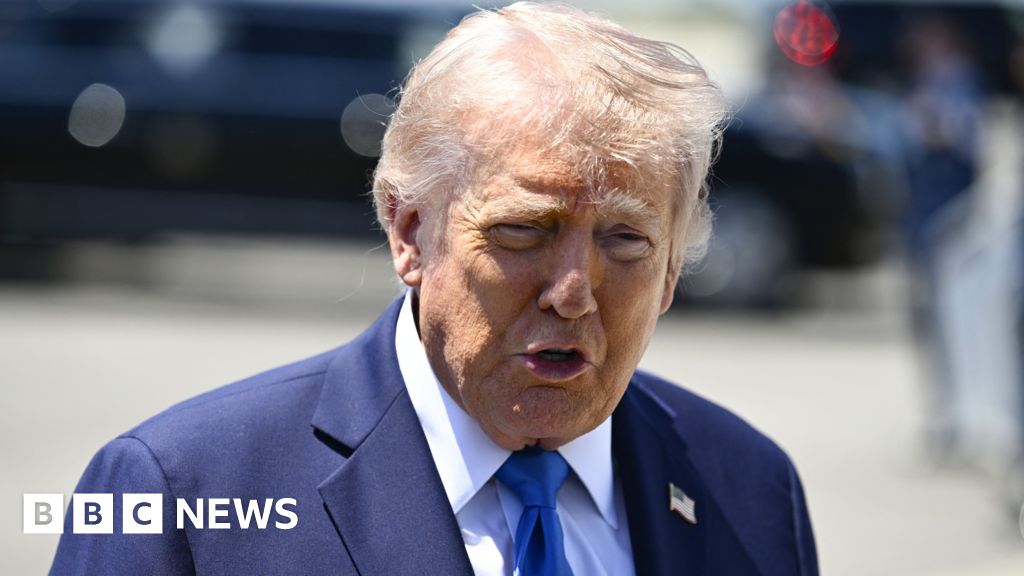
President Donald Trump has ordered the cancellation of a planned diplomatic mission to Pakistan involving Special Envoy Steve Witkoff and Jared Kushner. The decision was made shortly after Iranian Foreign Minister Abbas Aragchi departed Islamabad following discussions with Pakistani mediators. In announcing the withdrawal, Trump stated that sending the envoys would waste "too much time" and asserted that if Iran wished to negotiate, they should simply contact the United States directly.
The White House rationale for the cancellation included claims of "tremendous infighting and confusion" within Iran's leadership, with Trump asserting on Truth Social that "nobody knows who is in charge". He further declared that the US holds "all the cards" while Iran has "none", reiterating that Tehran must initiate contact for talks to proceed. This stance contrasts with the previous US indication that Vice-President JD Vance was on standby to join the talks, a move that may have signalled lower expectations for a major breakthrough.
Iranian Foreign Minister Abbas Aragchi had previously held talks with Pakistani officials in Islamabad, where he shared Iran's position on a workable framework to permanently end the war. However, Aragchi expressed uncertainty regarding the US's "truly serious about diplomacy", noting a lack of evidence for genuine engagement from Washington. Following his departure from Islamabad, Aragchi continues his diplomatic itinerary with visits to Oman and Russia.
Despite the cancellation of face-to-face talks, the ceasefire extension originally due to expire on 22 April remains in effect. Diplomatic efforts have stalled overall, with tensions persisting over the Strait of Hormuz where Iran has restricted passage following US and Israel strikes in February. The US has increased its naval presence in the strait to block Iranian oil exports, which account for roughly a fifth of the world's oil supply.
When asked whether the cancelled trip meant the war would resume, President Trump told news site Axios that it did not, stating they had not yet thought about resuming hostilities. Meanwhile, fighting continues in the southern buffer zone between Israel and Hezbollah, with at least four people killed in Israeli strikes on southern Lebanon on Saturday. Both Israel and Hezbollah have accused each other of violating the ceasefire agreement.
Pakistan has mediated contact between the two sides in recent weeks, including a previous round of talks on 11 April that ended without agreement. Prime Minister Shebaz Sharif described the exchange of views between Pakistani officials and Aragchi as warm and cordial, though the immediate agenda for US-Iran direct engagement has now been removed.