Minor seismic activity recorded near Tokara Islands; no tsunami risk identified
A magnitude 3.3 earthquake struck waters off Kagoshima Prefecture on 26 April, prompting standard monitoring protocols but resulting in no tsunami alerts.
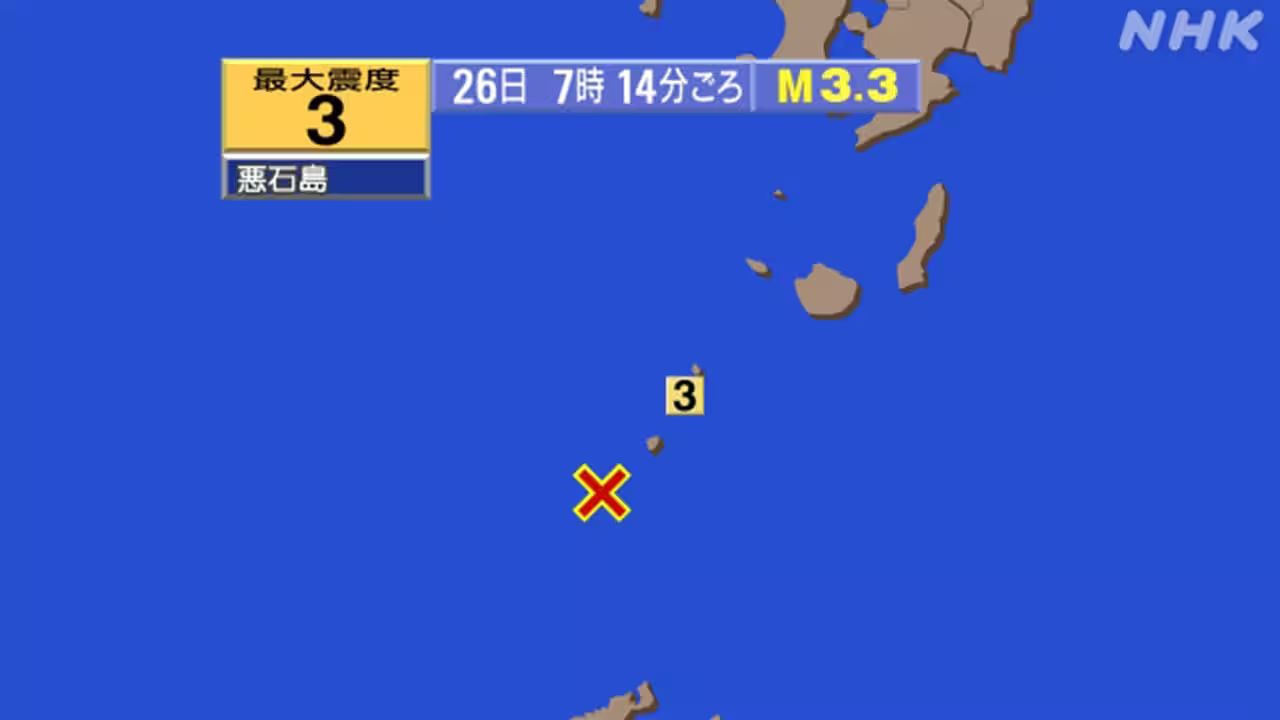
A minor seismic event occurred in the waters adjacent to the Tokara Islands off the coast of Kagoshima Prefecture on 26 April 2026. According to the Japan Meteorological Agency, the tremor struck at approximately 07:14 local time, marking a routine occurrence in a region known for frequent tectonic shifts along the Ryukyu Islands chain.
The Japan Meteorological Agency assessed the earthquake's magnitude at 3.3, with the epicentre situated at a depth of 20 kilometres beneath the ocean surface. While the event generated measurable ground motion, the maximum intensity recorded was level 3 on the JMA scale, observed specifically at Warishi Island. This level of shaking is generally considered mild and typically does not result in structural damage or significant disruption to daily activities.
Despite the seismic activity, authorities determined that the event posed no threat to coastal safety. The Japan Meteorological Agency issued no tsunami warnings following the analysis of the earthquake's parameters and the subsequent movement of the sea. Residents in the affected area were advised that there was no need for evacuation or special precautionary measures regarding rising sea levels.
The reporting of this event follows standard seismic bulletin procedures utilised by NHK and other Japanese media outlets to disseminate rapid information during minor geological occurrences. The focus of the initial reports was strictly on the technical data provided by the Japan Meteorological Agency, including the precise timing, location, and intensity metrics, rather than on broader policy implications or economic impact.
As with many minor tremors in the region, the primary response from government agencies has been observational. The Japan Meteorological Agency continues to monitor the area for any aftershocks or changes in seismic patterns, though the current assessment indicates a stable geological situation. No further official statements regarding infrastructure inspections or public safety advisories have been released beyond the initial confirmation of the event's parameters.
The incident highlights the ongoing vigilance required in seismically active zones like the Tokara Islands, where the Japan Meteorological Agency maintains a constant watch over potential hazards. While the magnitude and depth of this specific event suggest limited physical impact, the immediate dissemination of accurate data by the agency ensures that local populations remain informed without unnecessary alarm.