Unauthorised US operatives killed in Chihuahua crash prompts sovereignty probe
Authorities confirm the deceased entered Mexico without formal accreditation, raising questions about the extent of US activities on Mexican soil despite Washington's claims of embassy training.
The Mexican government has confirmed that two US federal agents, widely reported as CIA officers, were killed in a car crash in Chihuahua during an anti-narcotics raid. Crucially, Mexican authorities state that neither individual was authorised to operate on Mexican territory, with one entering the country as a visitor and the other utilising a diplomatic passport. This lack of formal accreditation to participate in operational activities within national territory has triggered immediate concerns regarding the respect for Mexican sovereignty in international cooperation.
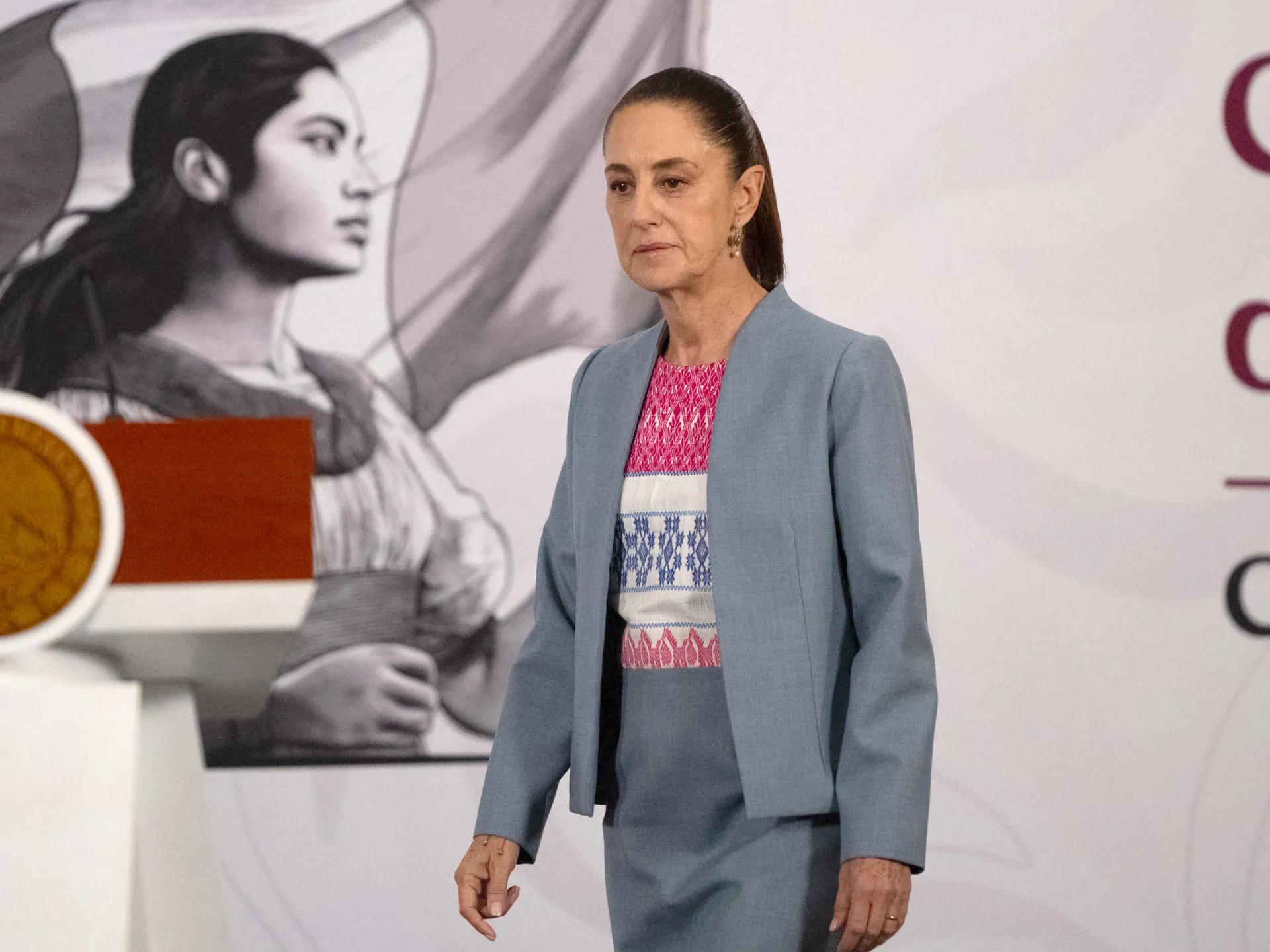
President Claudia Sheinbaum has announced a formal probe to determine whether national security laws were violated by the incident. The President emphasised that the Mexican military was completely unaware of the foreign participation in the operation, stating that Mexicans should not take this breach of protocol lightly. Under current Mexican law, foreign agents require federal authorisation to operate in the country and cannot work directly with local officials without such approval.
While the US Ambassador, Ronald Johnson, has described the deceased individuals as embassy personnel and instructor officers carrying out regular training work, US authorities have not confirmed reports that they were agents with the CIA. The attorney general of Chihuahua similarly characterised the pair as instructors from the embassy. However, the discrepancy between the description of a training exercise and the context of an active anti-narcotics raid continues to fuel speculation about the true nature of the mission.
The incident occurs against a backdrop of shifting US policy towards Latin America, which has seen a move towards a more militaristic approach to drug trafficking. Under the current administration, criminal organisations have been reframed as narco-terrorists, and the US has engaged in unilateral strikes on alleged drug smuggling boats. Historically, criminal drug trafficking has been outside the purview of the CIA, which focuses on intelligence gathering related to national security, yet the current administration has expanded its operational scope significantly.
Two Mexican officials were also killed in the crash, further complicating the situation and raising questions about whether the country's government had full knowledge of such operations. President Sheinbaum has previously ruled out any US military presence in Mexico while seeking to balance US demands for aggressive anti-drug steps with a firm insistence on national sovereignty. The security cabinet has stated it welcomes coordination in the form of intelligence sharing and technical collaboration, provided it proceeds from a place of mutual trust.
Questions now swirl regarding the extent of US participation in activities on Mexican soil and whether the Mexican government possessed full knowledge of the operation. The incident highlights the friction between Washington's expanded mandate in the region and Mexico's legal and political boundaries, with the ongoing investigation expected to shed light on the specific roles of the unauthorised operatives.