Lebanon condemns Israeli strikes as ceasefire violations following eleven deaths
Israeli military targets Hezbollah infrastructure in retaliation for attacks on its forces, while the militia warns against ongoing peace negotiations.
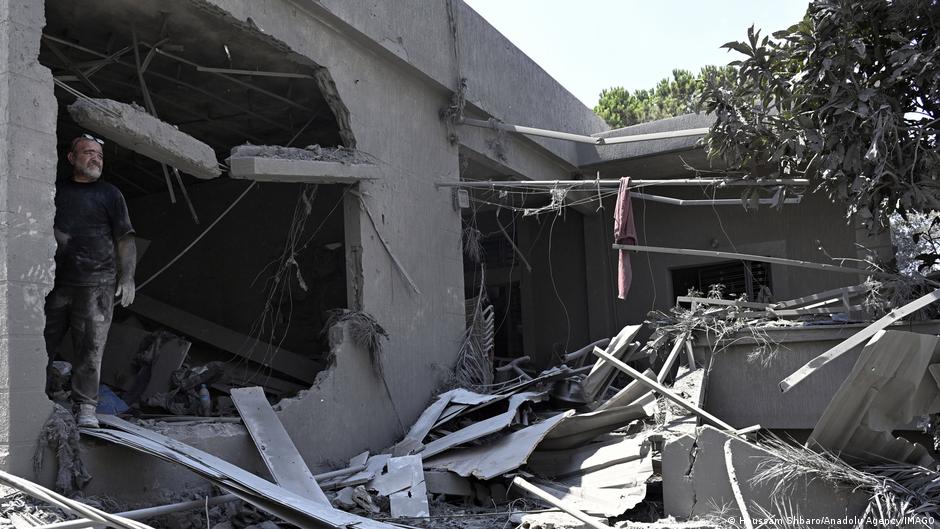
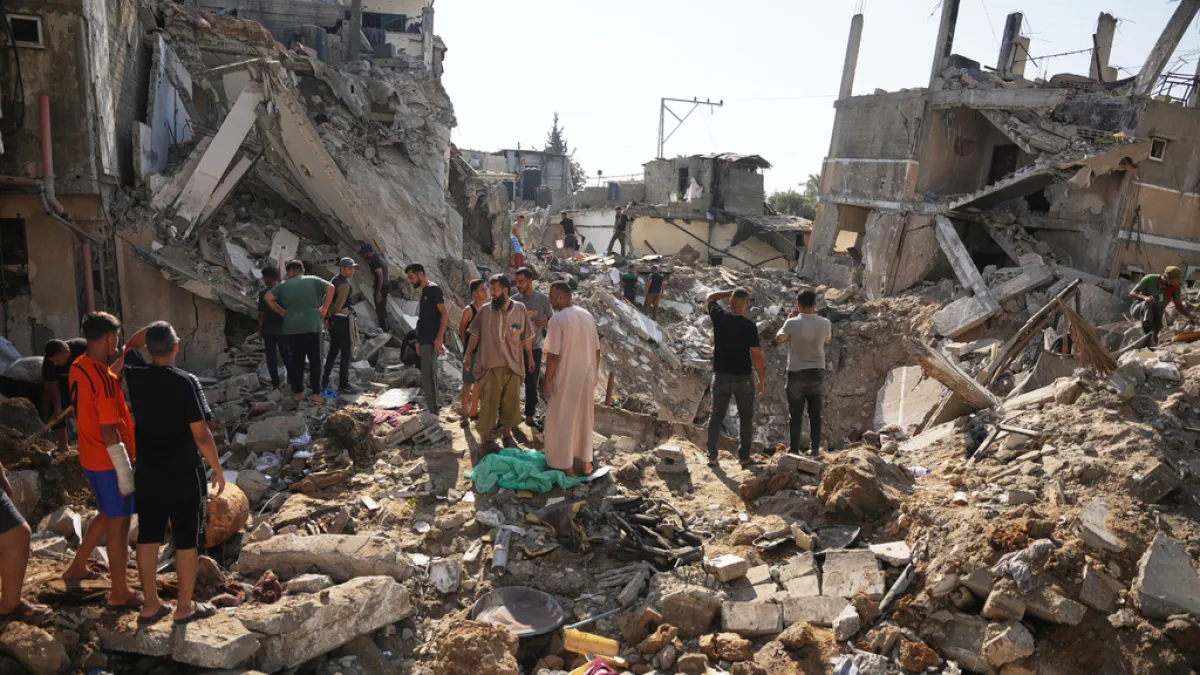
At least 11 people were killed in Israeli airstrikes on southern Lebanon on Saturday, marking the deadliest incident since the Israel-Hezbollah truce was established nearly two months ago. The Lebanese Health Ministry confirmed that a strike on the village of Ansar killed seven people, including three children and two women, while a second strike in Deir al-Zahrani killed four and wounded 17.
Lebanese Prime Minister Nawaf Salam denounced the attacks, describing them as targeting civilians and calling for an immediate end to the escalation. In a statement on X, Salam emphasised that the victims in Ansar were not military targets, stating that the seven martyrs of the airstrike were civilians and not military infrastructure.
The Israeli military confirmed it struck Hezbollah infrastructure in southern Lebanon, stating the operation was retaliation for an attack by the militia on Israeli forces. Germany’s DPA news agency cited residents claiming the property struck in Ansar served as a Hezbollah base, while Lebanese state news agency NNA reported that the house was destroyed.
Hezbollah vowed an appropriate response to the latest strikes, warning that Israel’s attempts to impose a fait accompli would not continue. The Iran-backed group also issued a statement demanding an end to peace negotiations with Israel, accusing the process of providing the enemy with free concessions and describing the talks as humiliating.
The conflict, which reignited in early March following the killing of Iran’s Supreme Leader Ayatollah Ali Khamenei, has resulted in over 4,300 deaths. Israel claims to have established a security zone in southern Lebanon covering approximately 620 square kilometres, or about 6% of the country's total area, to prevent Hezbollah attacks on northern Israel.
A framework peace agreement announced in late June outlines a plan for Israeli withdrawal in return for Hezbollah disarming. The two sides have held seven rounds of talks, with the most recent taking place in Rome earlier this month. However, Hezbollah has refused direct talks, is not a party to the deal, and has refused to disarm.