Trump Rejects Iran MoU Extension as US Asserts Control of Hormuz
The White House has moved to terminate diplomatic channels with Tehran while simultaneously claiming strategic dominance over a critical maritime chokepoint.
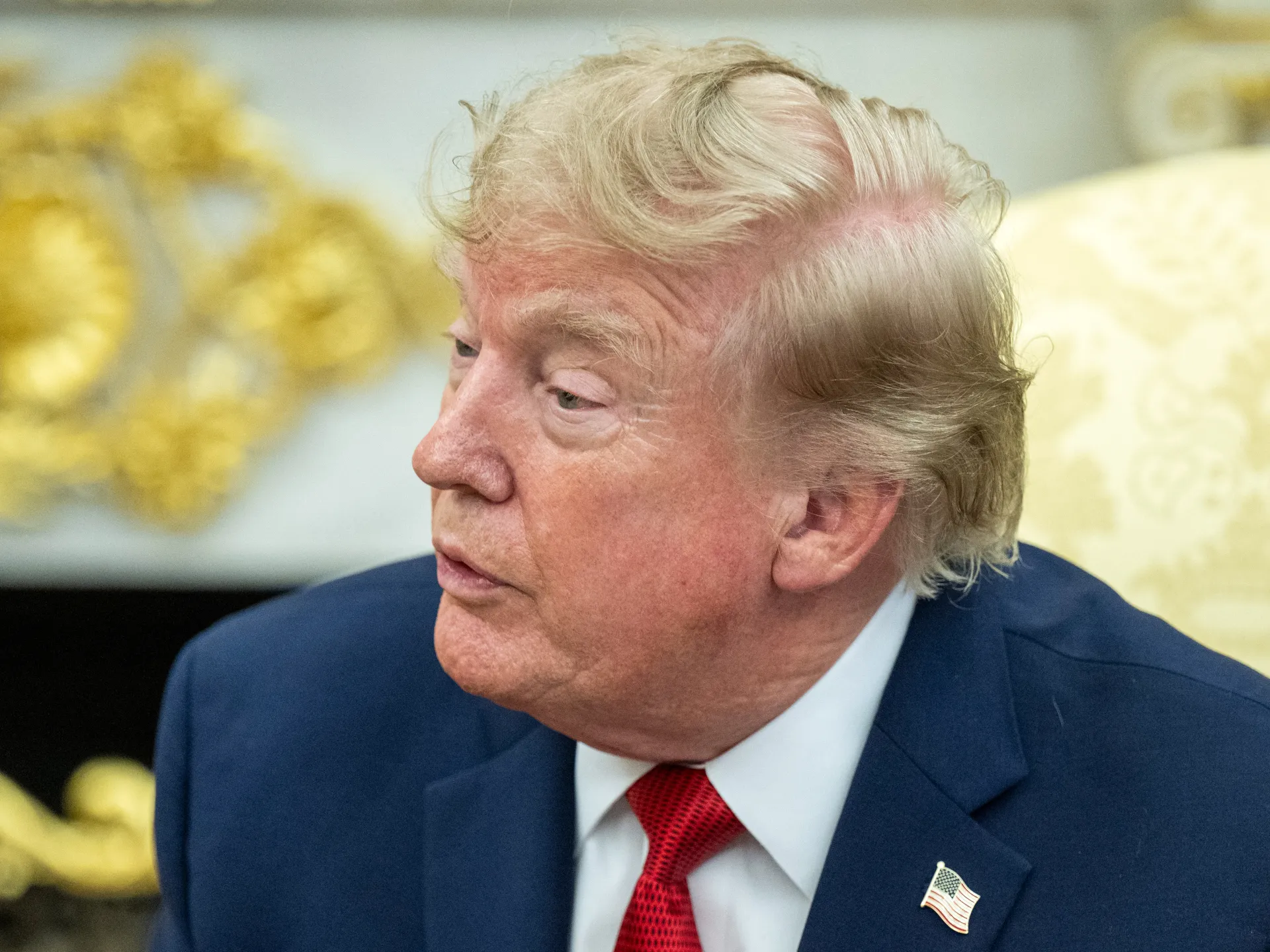
US President Donald Trump has formally rejected the extension of a memorandum of understanding (MoU) with Iran, marking a decisive escalation in diplomatic tensions following the agreement’s expiration on Monday. The decision signals a hardening of the American stance, closing the door on the previous framework that governed interactions between the two nations.
In a statement accompanying the rejection, President Trump issued a stark ultimatum to Tehran, stating that Iran should 'put up the white flag of surrender'. This rhetoric underscores a shift from negotiated engagement to demands for unconditional capitulation, reflecting the administration’s current approach to foreign policy in the region.
Concurrently with the diplomatic breakdown, the United States has claimed total control of the Strait of Hormuz. This assertion of maritime dominance represents a significant operational development, positioning the US military as the sole authority over one of the world’s most vital energy transit routes. The claim comes as the MoU lapses, suggesting a coordinated strategy to exert maximum pressure on Iranian interests.
The specific terms and operational scope of the expired MoU were not detailed in available reports. However, its termination removes any remaining institutional buffer between Washington and Tehran, potentially altering the strategic calculus for both governments and their respective allies in the Middle East.
The move to assert control over the Strait of Hormuz coincides with the rejection of the diplomatic instrument, indicating that the US is prioritising physical and strategic leverage over the expired administrative agreement. This dual approach of diplomatic rejection and military assertion marks a distinct departure from previous engagement models.