Lebanon condemns Israeli strikes as ceasefire violations following eleven deaths
Israeli military targets Hezbollah infrastructure in retaliation for attacks on its forces, while the militia warns against ongoing peace negotiations.
Event
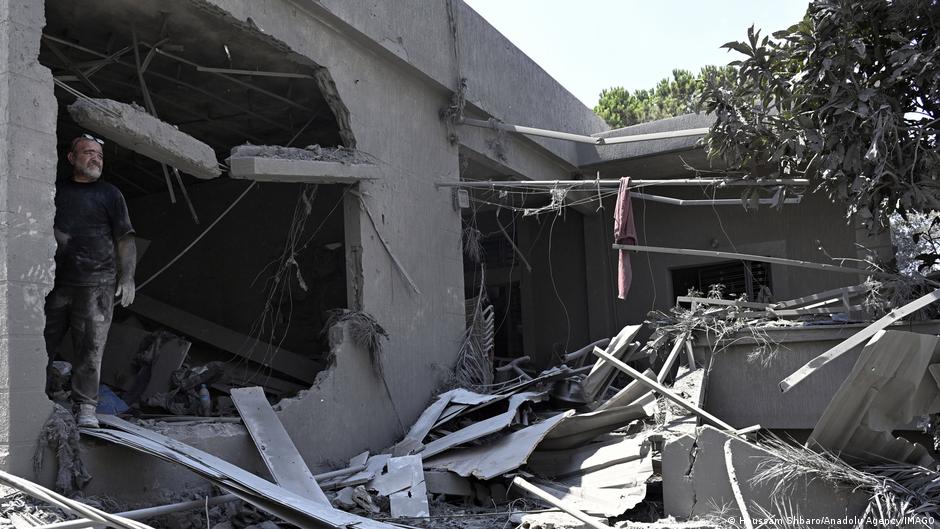
At least 11 people were killed in Israeli airstrikes on southern Lebanon on Saturday, marking the deadliest incident since the Israel-Hezbollah truce nearly two months ago. The Lebanese Health Ministry reported that a strike on the village of Ansar killed seven people, including three children and two women, while a second strike in Deir al-Zahrani killed four and wounded 17. Lebanese Prime Minister Nawaf Salam denounced the attacks as targeting civilians and called for an end to the escalation. Israel confirmed it struck Hezbollah infrastructure in retaliation for an attack on Israeli forces. Hezbollah vowed an appropriate response and warned against continuing peace negotiations with Israel.
2 published stories · security · source reliability 67%

Israeli military targets Hezbollah infrastructure in retaliation for attacks on its forces, while the militia warns against ongoing peace negotiations.
Background
Eleven people, including three children and two women, were killed in Israeli strikes on southern Lebanon, marking one of the deadliest days since a ceasefire agreement was announced in June. Lebanese authorities reported seven deaths in a strike on a house in Ansar (Nabatieh district) and four deaths in Deir al-Zahrani. Israel’s military stated it struck "Hezbollah terror infrastructure" in response to an earlier action against its soldiers near the Ali al-Taher Ridge. Lebanese Prime Minister Nawaf Salam and President Joseph Aoun condemned the strikes as violations of the ceasefire framework, while Hezbollah warned it would respond appropriately to the attacks, stating it was not involved in the agreement and had rejected direct negotiations.
Eleven people, including three children and two women, were killed in Israeli strikes on southern Lebanon, marking one of the deadliest days since a ceasefire agreement was announced in June. Lebanese authorities reported seven deaths in a strike on a house in Ansar (Nabatieh dis
Fact cards
Key entities: Lebanon, Israel, Hezbollah, Nawaf Salam, Ansar, Deir al-Zahrani, Nabatiyeh, Ali Taher hill.
Deutsche Welle World | https://www.dw.com/en/lebanon-says-11-killed-in-israeli-airstrikes/a-78383713 | published 2026-08-15T15:35:00.000Z | primary source | BBC World | https://www.bbc.co.uk/news/articles/c4gjygx4gjeo | published 2026-08-15T13:38:53.000Z | primary source
2 March 2026: Lebanon drawn into conflict when Hezbollah launched rockets into Israel in retaliation for a strike that killed Iran's supreme leader. June 2026: Ceasefire agreement announced, calling for Hezbollah disarmament, gradual Israeli withdrawal, and Lebanese army deployme
Timeline
Lebanon drawn into conflict when Hezbollah launched rockets into Israel in retaliation for a strike that killed Iran's supreme leader.
Ceasefire agreement announced, calling for Hezbollah disarmament, gradual Israeli withdrawal, and Lebanese army deployment.
Israeli strikes hit a house in Ansar, killing seven people, including three children and two women.
Israeli strikes killed four people in Deir al-Zahrani and wounded five others.
Israeli military stated strikes were in response to an earlier action against soldiers near the Ali al-Taher Ridge.
Lebanese Prime Minister Nawaf Salam and President Joseph Aoun condemned the strikes as ceasefire violations.
Hezbollah warned of an appropriate response, noting it was not party to the agreement.