Colombia pivots to reconstruction as earthquake death toll rises to 289
One week after a magnitude 7.4 quake devastated western provinces, authorities are winding down search-and-rescue operations to focus on housing 120,000 displaced families and a $6.4 billion rebuilding effort.
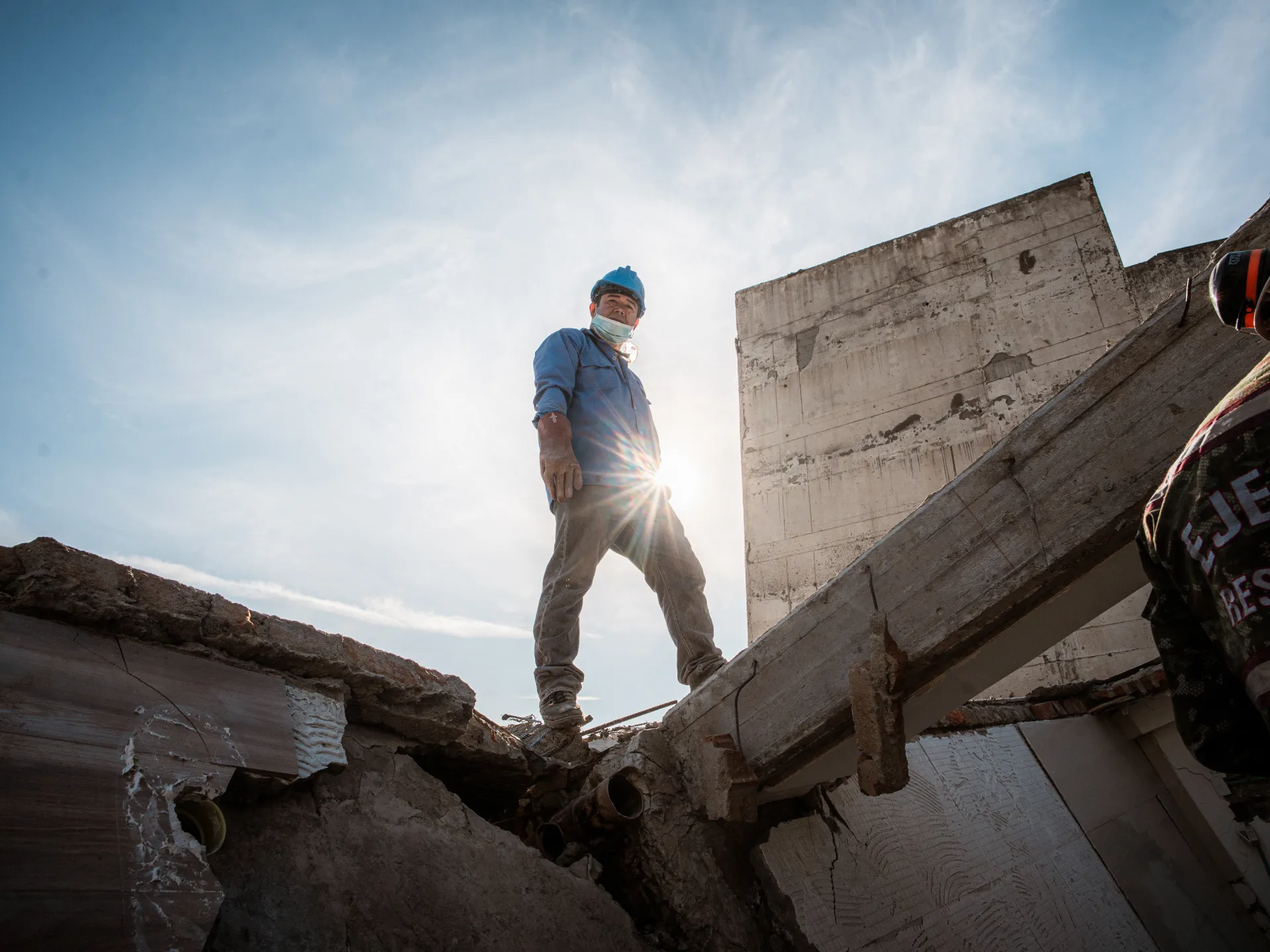
One week after a magnitude 7.4 earthquake struck western Colombia, authorities are transitioning from immediate search-and-rescue operations to a phase focused on recovery and shelter. The disaster, which hit the Pacific region’s San Jose del Palmar and affected 15 of the country’s 32 provinces, has killed at least 289 people and injured 4,187. With official figures placing the number of unaccounted individuals at 143, rescue teams are winding down as the window for survival narrows, shifting priorities toward housing the homeless and providing basic necessities.
The scale of the infrastructure damage is extensive, with 127,557 homes damaged and 26,945 destroyed. The disaster also devastated 285 health centres and 2,838 educational facilities, alongside significant damage to economic infrastructure including 407 roads and 92 water supply systems. While emergency response teams have saved 354 lives in the past week, Sergeant Joel Bustamente of the Bogota Fire Department noted that search-and-rescue operations in areas such as Cali are being suspended or scaled back as the focus moves to demolition and reconstruction.
President Abelardo de la Espriella, who was inaugurated just three days before the quake, has declared an economic emergency and pledged a reconstruction fund estimated at $6.4 billion. To finance the response, the government has secured a $450 million credit line from the World Bank rather than raising new taxes. The administration has faced criticism for politicising international aid by initially accepting rescue teams only from ideologically aligned nations, including Israel, the United States, and El Salvador, while abstaining from standard handover processes with the previous government.
In the hardest-hit department of Choco, the earthquake has exacerbated existing crises involving armed conflict, drug trafficking, and illegal gold mining. Residents in Quibdo have reported a slow institutional response, with local officials stating there has been no national-level plan for temporary or permanent shelters. ActionAid country director Egido Sanz described the situation as a crisis叠加 on an existing major crisis, noting that access to many parts of the province remains difficult and the full extent of the damage is still being assessed.
International aid continues to arrive, including a 2 million euro pledge from the European Union and $15.5 million from the United States. However, the economic impact on individuals is severe, with business owners like Nestor Martinez in Buenaventura estimating losses of 350 million pesos without insurance. As authorities convert sports stadiums and community centres into temporary shelters in cities like Cali and Pereira, the government faces pressure to provide long-term continuity for more than 120,000 affected families.