Trump administration pauses Big Bend border construction amid bipartisan pressure
The temporary halt to the contentious project in Big Bend National Park follows fierce criticism from local officials and conservation groups, though the duration of the suspension remains undefined.
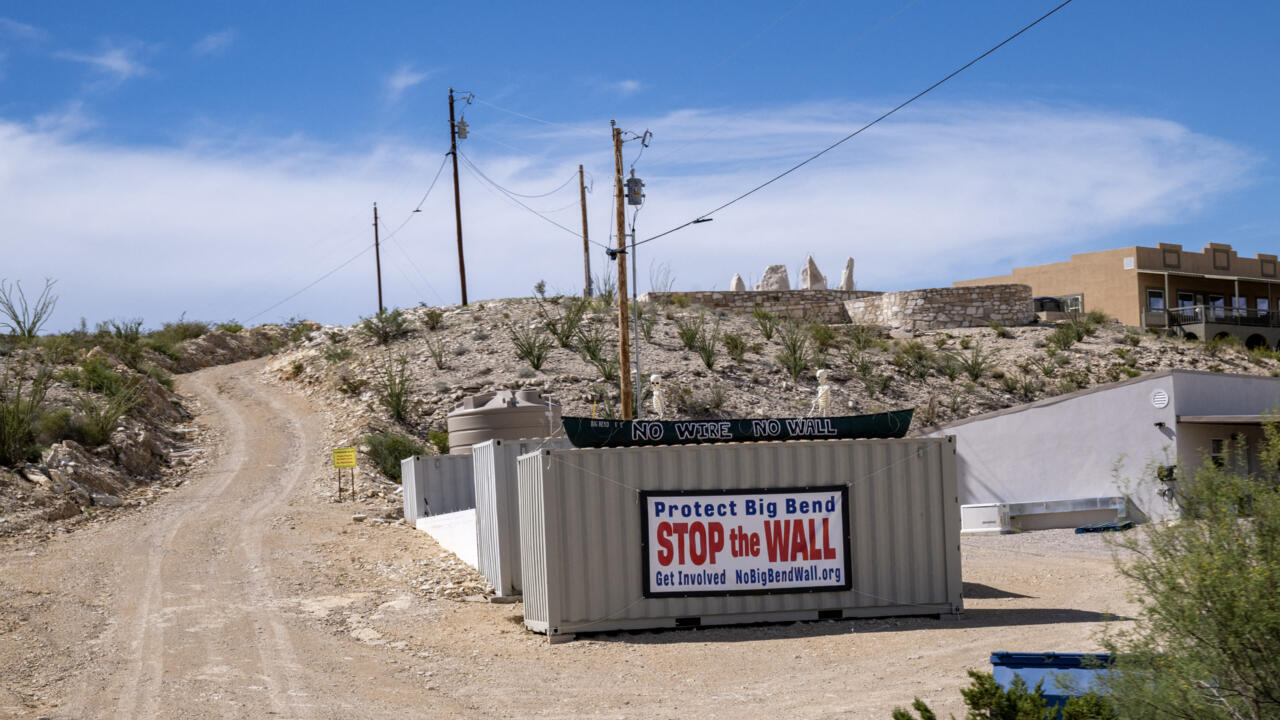
The Trump administration has temporarily suspended construction of a border security project within Texas’ Big Bend National Park, a move that coincides with an on-the-ground evaluation by Rodney Scott, the head of Customs and Border Protection (CBP). The pause arrives amidst escalating bipartisan opposition to the infrastructure plan, which critics argue threatens the park’s ecological integrity and cultural heritage.
Scott announced the suspension on X, stating that the agency is halting all construction activity while he conducts a personal assessment of the site. He indicated that over the coming days, he intends to consult with local leadership, community members, and stakeholders to address national security concerns while ensuring the protection of the national park. CBP did not immediately provide details regarding the duration of the pause or the specific parties Scott will meet with in Texas.
The project has drawn sharp criticism from a coalition including Democratic and Republican sheriffs, former park officials, and residents. Critics contend that the construction, which includes a new road and associated security technology, risks damaging the region’s pristine environment, archaeological sites, and Native American burial grounds. Ronny Dodson, sheriff of Brewster County, confirmed he would meet with Scott and expressed hope that the CBP chief would witness the terrain firsthand and hear directly from the community regarding the potential impact on local heritage sites.
Texas Governor Greg Abbott suggested the decision to pause construction resulted from recent discussions with Homeland Security Secretary Markwayne Mullin. Abbott stated that Mullin committed to ensuring no wall or barriers would be built within the park, although he did not address the controversial road-building component that has drawn significant local concern. Senator John Cornyn also highlighted the area’s natural deterrents, noting in a letter to Mullin that the region’s steep mountains, deep cananyons, and expansive deserts already limit large-scale illegal crossings.
While the administration has been accelerating wall construction across the border with $46 billion in congressional funding, this pause represents a rare concession to the intense pressure in West Texas. Bob Krumenaker, former superintendent of Big Bend National Park, described himself as “wary but optimistic,” calling for transparency and potential modifications to the plans. Activists from the Center for Biological Diversity welcomed the news but warned that construction could resume at any moment, urging the administration to permanently scrap the wall plans for the region.