European NATO members reject US-Israeli war on Iran as Trump considers retaliation
The diplomatic fallout threatens to fracture the transatlantic security architecture, with specific nations identified as targets for potential US action.
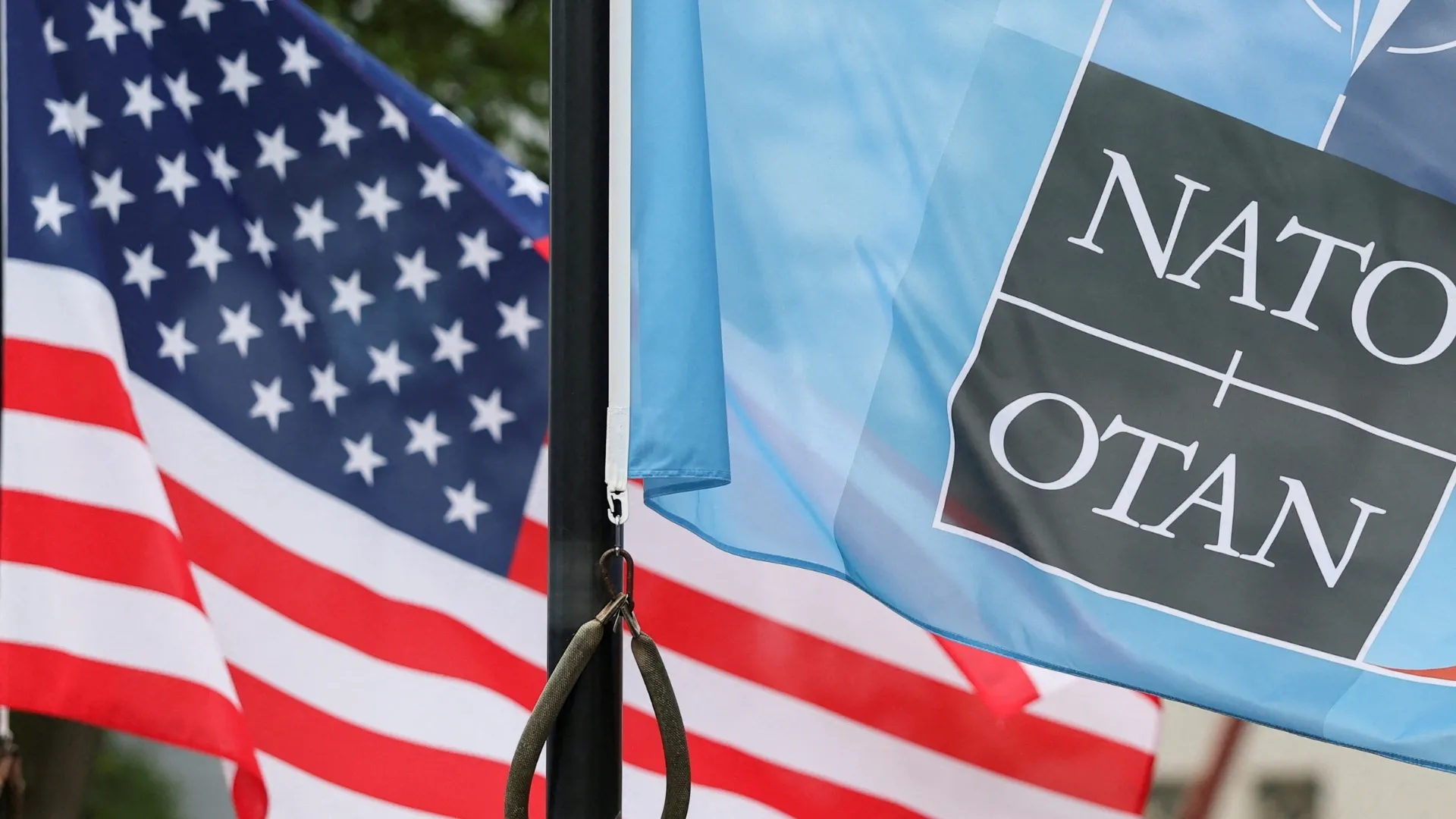
President Donald Trump has expressed significant fury following a refusal by European NATO member states to join the US-Israeli war on Iran. The situation has escalated beyond mere diplomatic disagreement, with reports indicating that the administration is now considering specific measures against the United Kingdom and Spain. This development marks a critical juncture for the military alliance, raising serious questions about the future cohesion of the transatlantic security framework.
The core of the dispute centres on the collective decision by European nations to abstain from the ongoing US-Israeli military operation against Iran. While the refusal is described as a stance taken by European member states, reports have specifically highlighted the United Kingdom and Spain as the primary focus of potential US retaliation. The lack of official confirmation regarding the precise nature or scope of these measures leaves the situation in a state of high uncertainty, though the intent to punish non-compliance appears clear.
Expert analysis suggests the diplomatic environment in London is already hostile towards the Trump administration. Carne Ross, a former British diplomat, and Eli Bremer, a retired US Air Force major and Republican strategist, have noted that public opinion in the UK remains largely opposed to the President. Polling data indicates that nearly half of Britons oppose his visit, with over 80% holding a negative view of him, complicating any attempts at stabilising relations through traditional diplomatic channels.
Pablo Calderon Martinez, a specialist in European affairs based at Northeastern University London, has weighed in on the implications of this rift. The refusal to engage in the war effort challenges previous strategies that some observers had hoped would utilise the British monarchy to smooth over tensions. Critics, including Graham Smith of the anti-monarchist group Republic, have previously argued that such strategies were futile given the President's unpredictability and his history of dismissing the diplomatic weight of a monarchy.
The potential targeting of the United Kingdom and Spain represents a significant departure from standard alliance protocols. While the specific actions Trump is considering remain unconfirmed in official reports, the identification of these nations as targets suggests a willingness to apply pressure where it is most likely to be felt. This approach could force a re-evaluation of the strategic partnership between Washington and its European partners, potentially altering the balance of power within the NATO structure.
As the conflict on the ground continues, the diplomatic friction between the US and its European allies grows increasingly volatile. The refusal to join the US-Israeli war on Iran has moved from a policy disagreement to a potential crisis of alliance loyalty. With the United Kingdom and Spain singled out, the coming days will likely determine whether this rift remains a temporary diplomatic spat or evolves into a lasting fracture in the Western security order.