Exxon reincorporates in Texas, bolstering state’s business reputation
The energy giant’s decision to shift its legal domicile reinforces the state’s appeal to major corporations, according to reporting by The Economist.
Markets, companies, capital, and the strategic shifts reshaping the global economy.
The energy giant’s decision to shift its legal domicile reinforces the state’s appeal to major corporations, according to reporting by The Economist.

Negotiations between Washington and Tehran have reached an impasse, while concurrent diplomatic activity in Beijing sees US equities rise and tech stocks surge on chip export approvals.
A report from The Economist highlights a decline in voter trust in Brazil’s high-tech electoral infrastructure, driven by social media influence, populist rhetoric, and broader institutional scepticism.
A London-based publication’s analysis highlights the commercial viability of a highly specialised periodical focused entirely on asparagus.

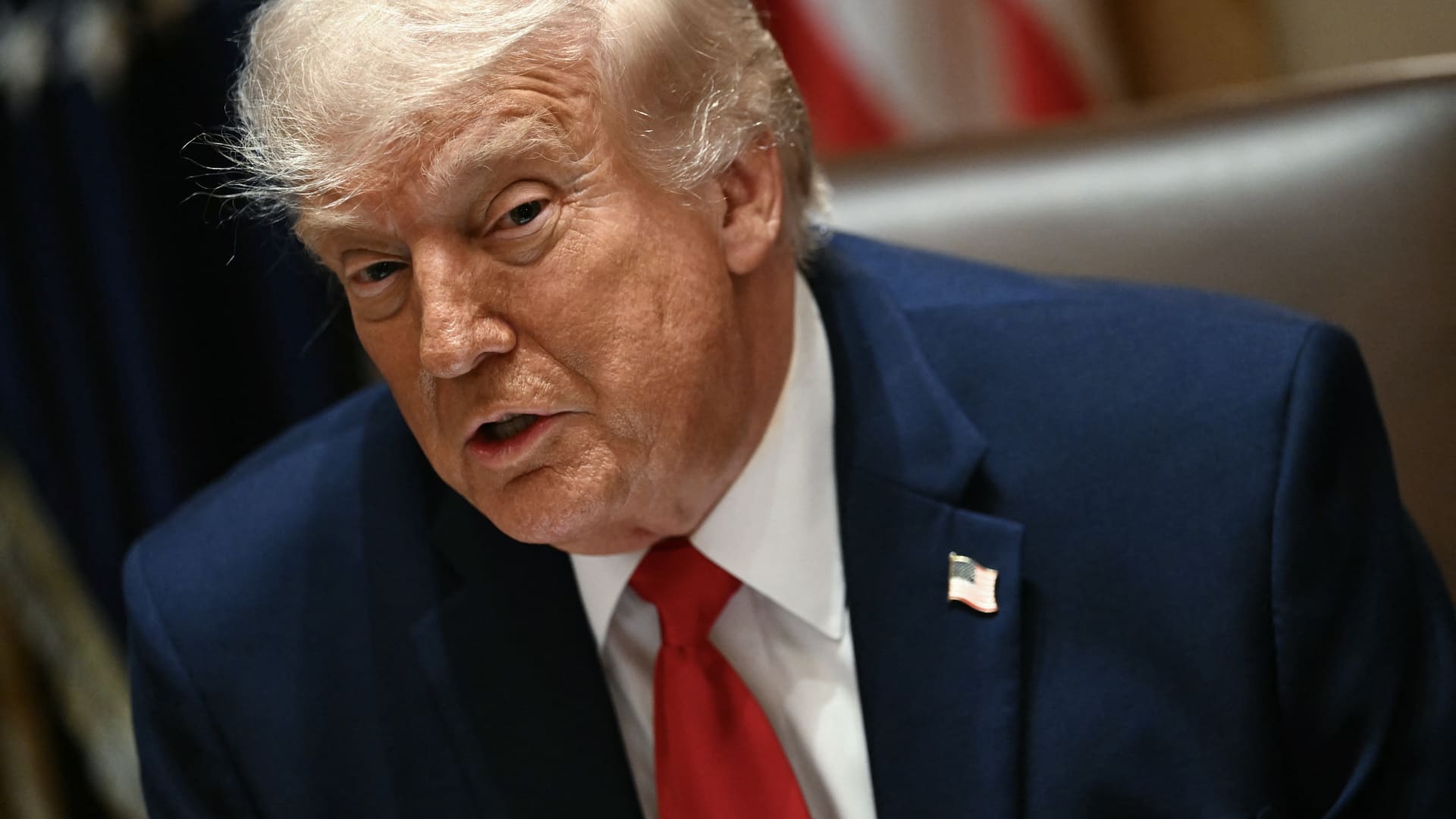
President Donald Trump reverses previous stance to fast-track clinical trials, though specific mechanisms and timelines remain undefined in initial reports.

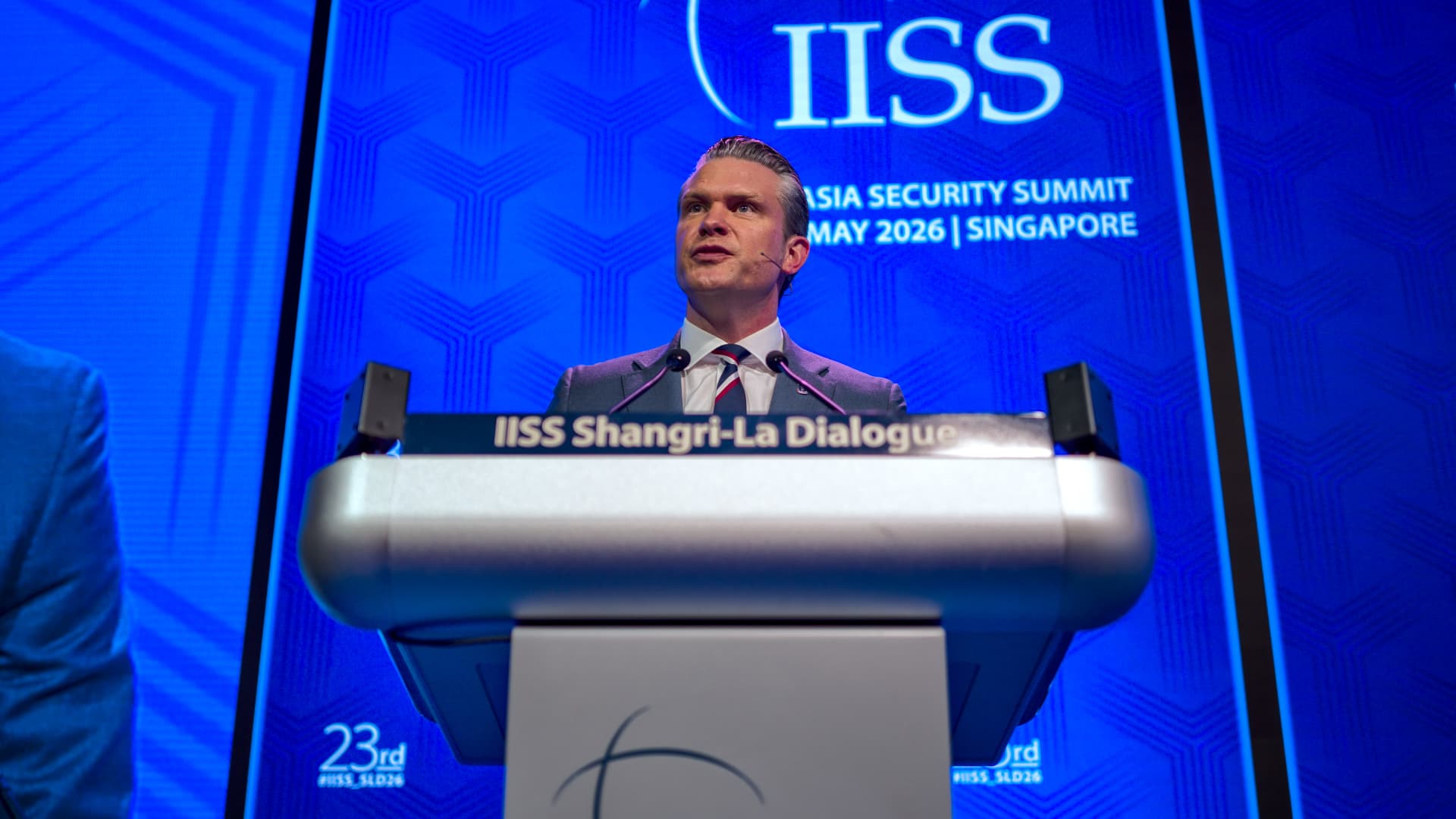
The 2026 IISS Shangri-La Dialogue wrapped up on Saturday, with delegates examining defence budgets, Beijing’s regional influence, and strategic insights from the conflict in Ukraine.

Iran’s blockade of the Strait of Hormuz threatens to keep oil exports below pre-conflict levels, even as US and Chinese leaders begin high-stakes negotiations in Beijing.
The shift in Washington’s defence posture coincides with the first US presidential visit to China since 2017, as markets react positively to trade and AI discussions.

A recent report from CNBC suggests the conclusion of the Iran war could herald a new era of economic disparity, with equity markets booming while households bear the brunt of energy price inflation.

As US markets rally on geopolitical developments, Meta’s strategic shift faces scrutiny given its consistent struggles to monetise products outside its core advertising ecosystem.
Rachel Lloyd’s latest Plot Twist edition explores the 'tradwife' phenomenon alongside reviews of popular novels.
Charlotte Howard, executive editor and New York bureau chief for The Economist, published an analysis on 30 May 2026 focusing on the gubernatorial contest in California.

Hegseth counters Japanese defence concerns by citing US 'power projection' strategy and rejecting Chinese hegemony in the Indo-Pacific
The publication’s weekly America-focused podcast has covered the end of a contentious contest for the state’s highest office, though specific outcomes remain unconfirmed in the report.
A 29 May 2026 analysis suggests that while sleep-tracking devices are generally reliable, their use could paradoxically interfere with sleep patterns.

Markets react to reports of a potential Strait of Hormuz reopening, with Brent crude falling below $93 a barrel as uncertainty remains over which conditions are already included in ongoing talks.
The Economist’s latest editorial note highlights that many new releases are not worth the viewer's time, directing attention to specific cultural products instead.

The technology giant reported a 757% year-on-year increase in artificial intelligence server sales, propelling its stock to its best performance in company history.
The publication has released a curated list of the star’s finest work to coincide with the 100th anniversary of her birth.

Market observers and skeptics have raised concerns regarding corporate disclosure practices as Elon Musk’s informal commentary diverges from the company’s formal regulatory filings ahead of its initial public offering.
The Economist highlights advancing talks between Washington and Tehran, though specific terms remain undisclosed.
The publication’s latest release utilises a metaphorical reference to modern warfare while providing political remembrance, set against a backdrop of heightened global trade and technology sector activity.

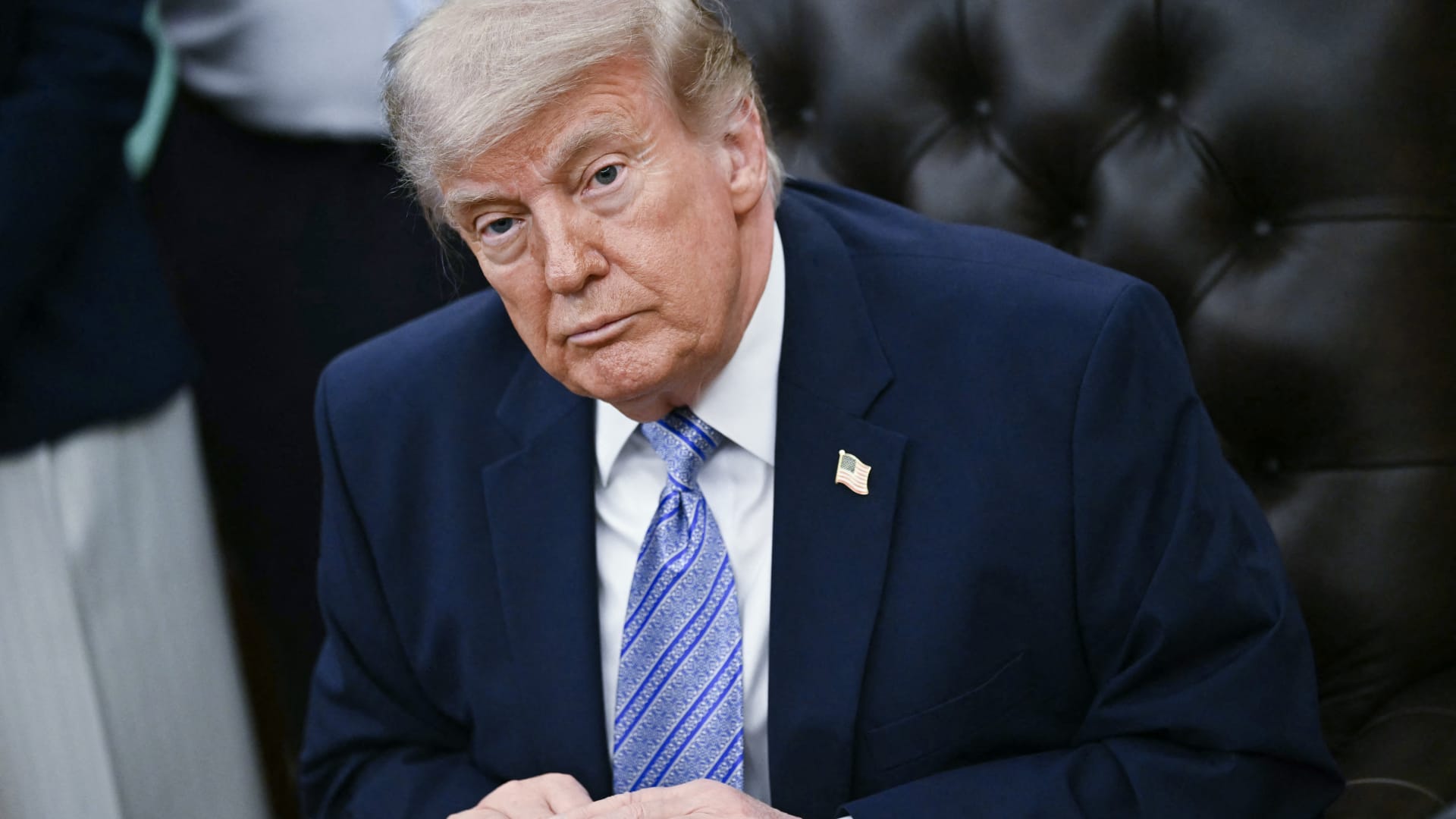
The Trump administration has issued threats of sanctions and military action against Oman, a close security partner often described as the 'Switzerland of the Middle East'.
An interactive feature details how an Israeli soldier’s initial fervour following the October 7th attacks has turned to remorse over his actions in Gaza.

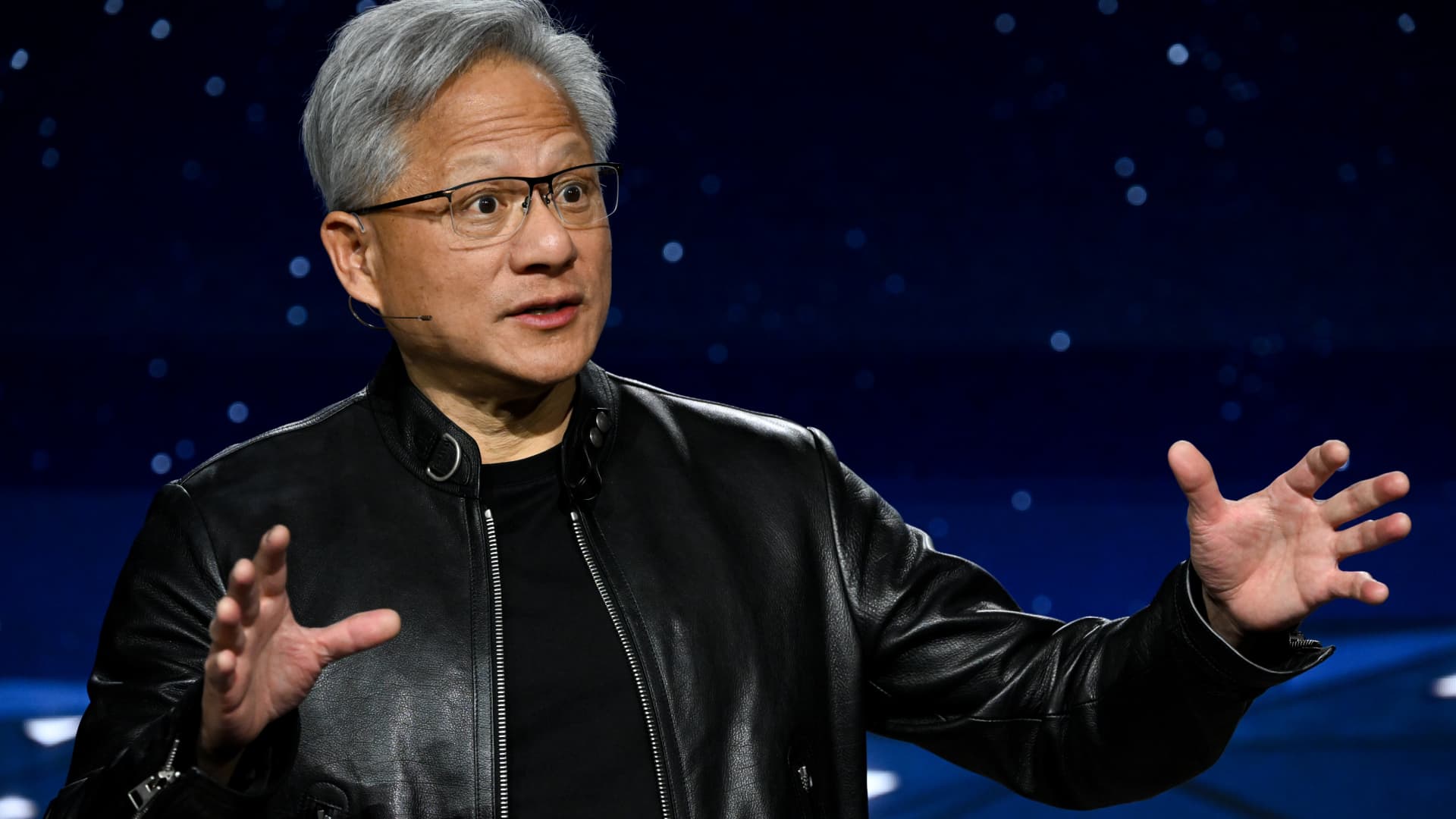
The investment in photonics aims to bolster data processing capabilities amid the ongoing artificial intelligence boom, as Nvidia seeks to maintain its dominance in the semiconductor sector.

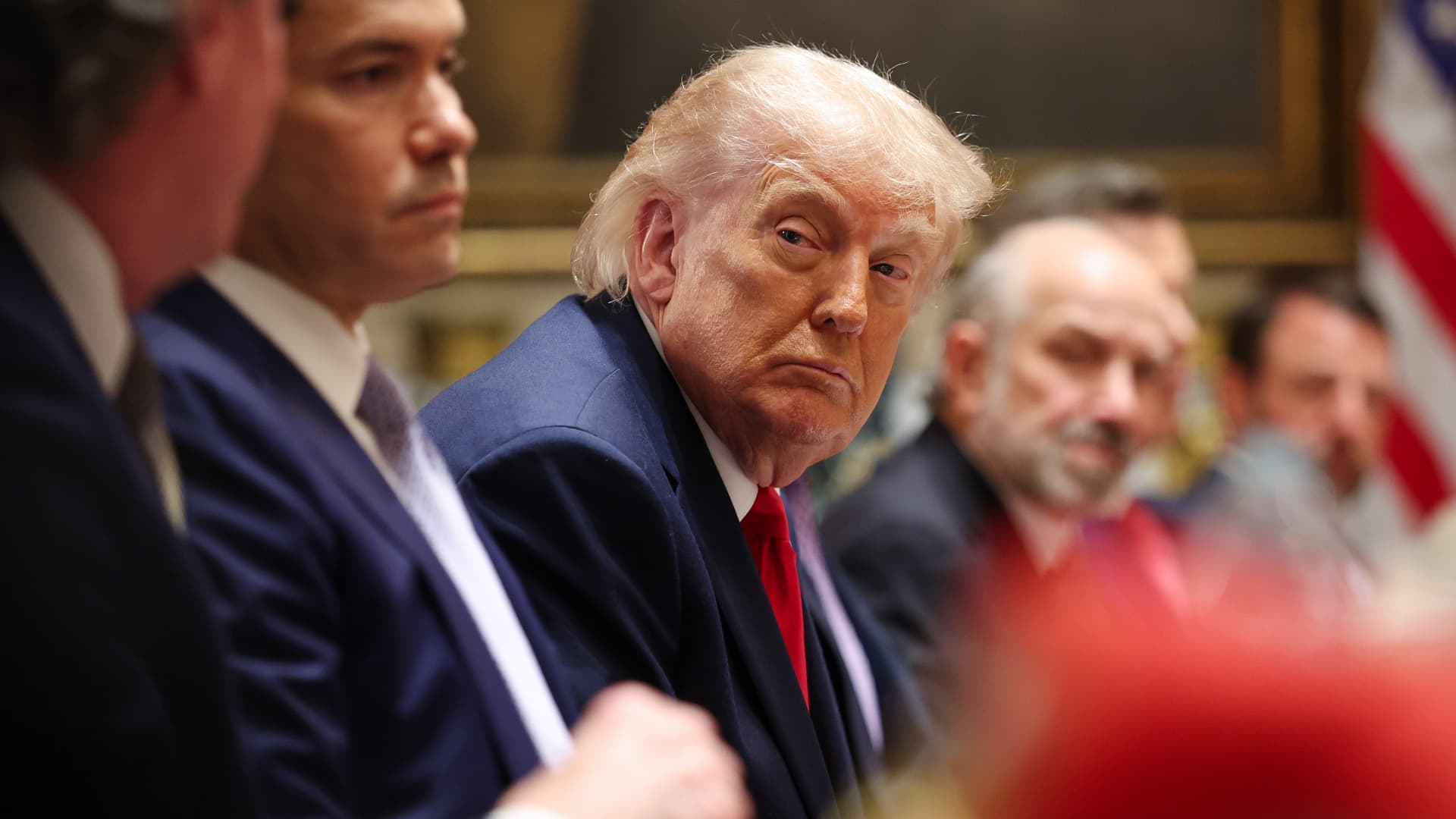
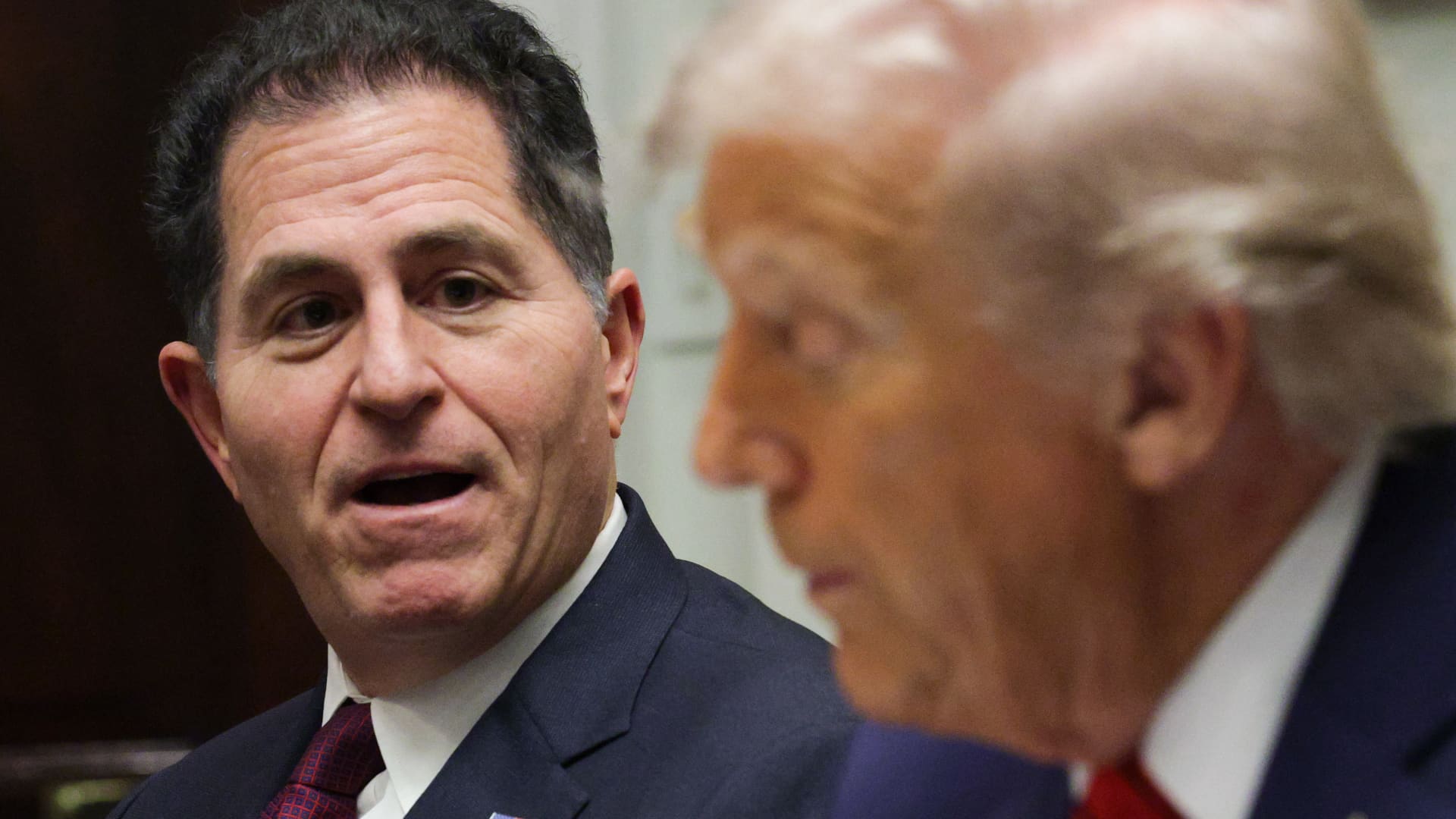
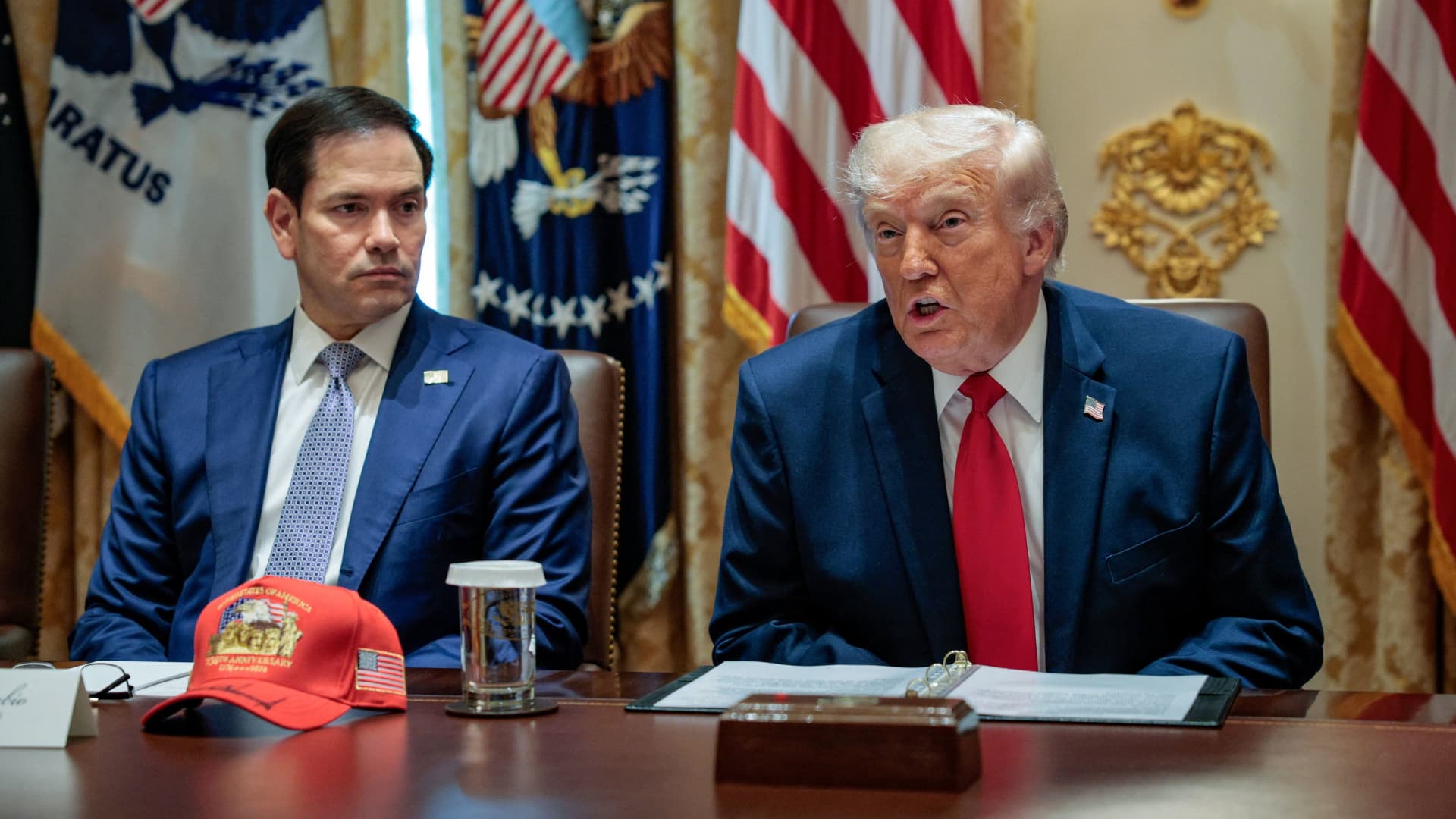
The technology executive’s early courting of Donald Trump in his second term is cited as emblematic of a wider trend where businesses actively seek to cultivate favour with the administration.

The Australian Security Intelligence Organisation has cautioned politicians about potential electronic surveillance in internet-connected cars, while the NSW and Tasmania SES have issued flood warnings following severe weather events.

Geopolitical tensions escalate with reported missile strikes while diplomatic considerations continue, set against a backdrop of resilient global markets and a concluded probe into Federal Reserve Chair Jerome Powell.

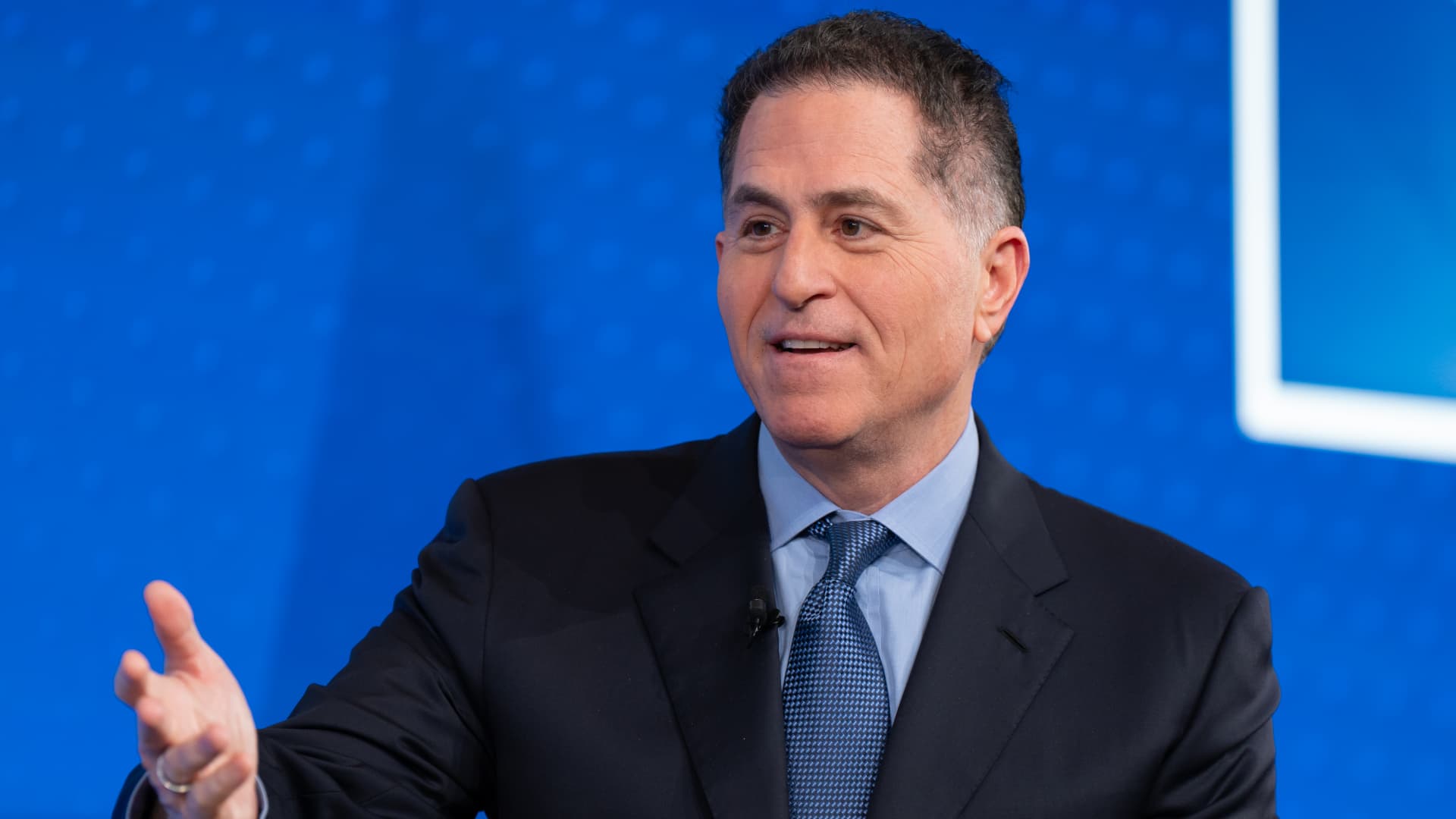
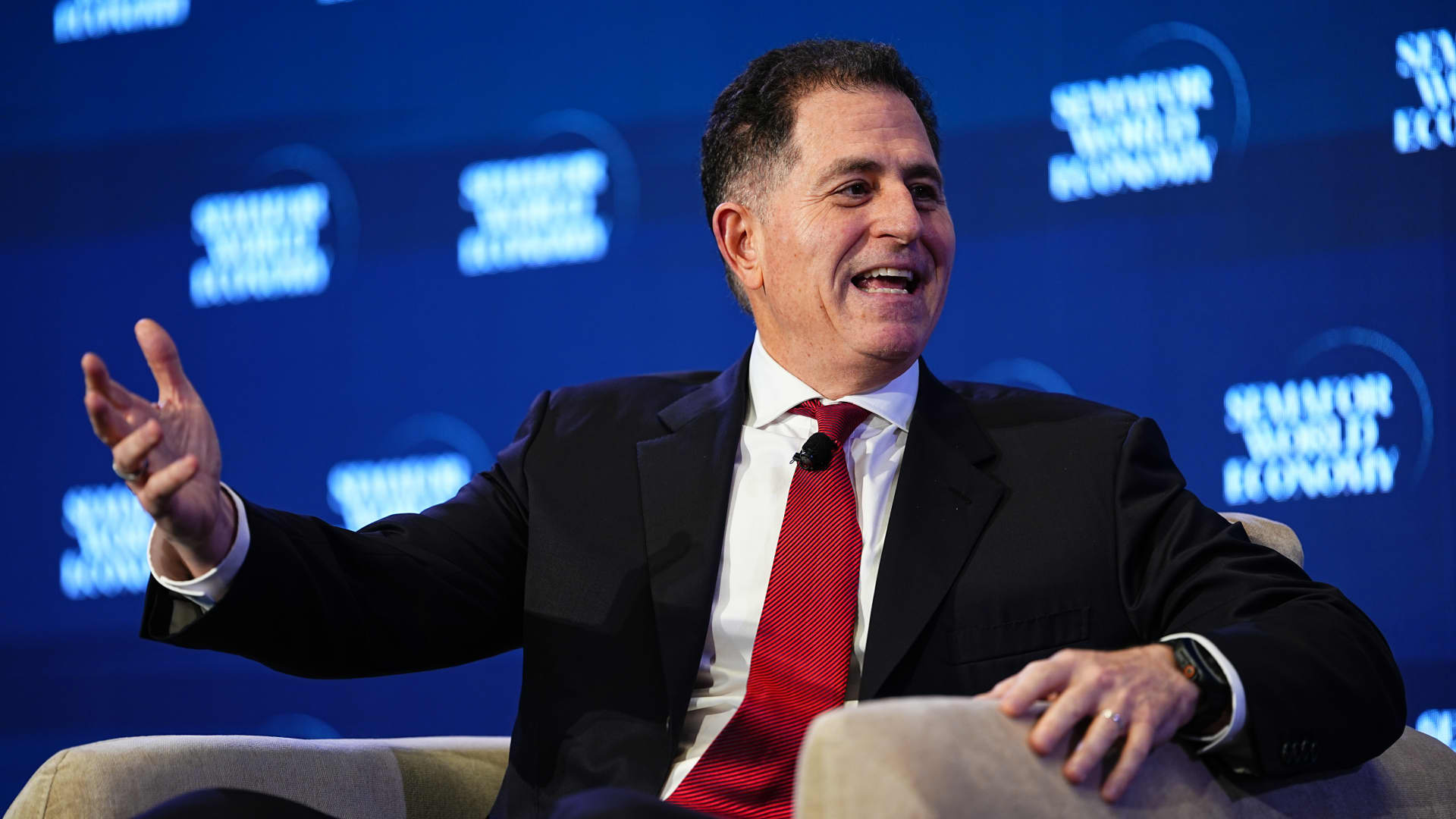
Driven by demand for graphics processing units, Dell reports its strongest sales expansion in eight years, marking a decisive shift from legacy hardware to artificial intelligence infrastructure.

Industry stakeholders raise concerns as the Trump administration considers removing international flight processing from jurisdictions that limit cooperation with federal immigration enforcement.
A new podcast episode examines market sentiment surrounding what is described as the world’s largest initial public offering, though specific financial details remain undisclosed.
The Economist confirms the death of the long-serving lawmaker, who built a reputation on championing marginalised groups, on May 19.
A recent piece titled “The dangerous delusion of modern warfare” outlines the publication’s view on how conflict has changed in recent years.

The Personal Consumption Expenditures index for April recorded core inflation at an annual rate of 3.3%, matching expectations, while the headline rate for all items stood at 3.8%.
A recent episode from The Economist examines the limited and challenging alternatives available to Donald Trump regarding US-Cuba relations, while also covering the polarised election in Colombia and profiles of 2026 World Cup teams.
The publication argues that structural changes are necessary as the region undergoes industrial contraction in response to competitive pressures from Beijing.
The publication’s 28 May assessment notes a cooling in support for the former president, while background context reveals the closure of a separate Justice Department probe into Federal Reserve Chair Jerome Powell.
The Economist reports the ousted leader’s departure as part of a broader corporate trend, though specific details regarding the individual’s identity or the precise timing remain undisclosed.

The precious metal’s traditional role as a store of value against rising costs is losing traction, sending spot prices to their lowest point since late March.

Kuwait moves to activate its air defences in response to identified missile and drone threats, coinciding with new US military operations in Iran and broader regional conflict.

Renewed military action sparks concerns over commercial shipping disruptions, while US equities post gains and Nvidia shares surge on chip sale approval.

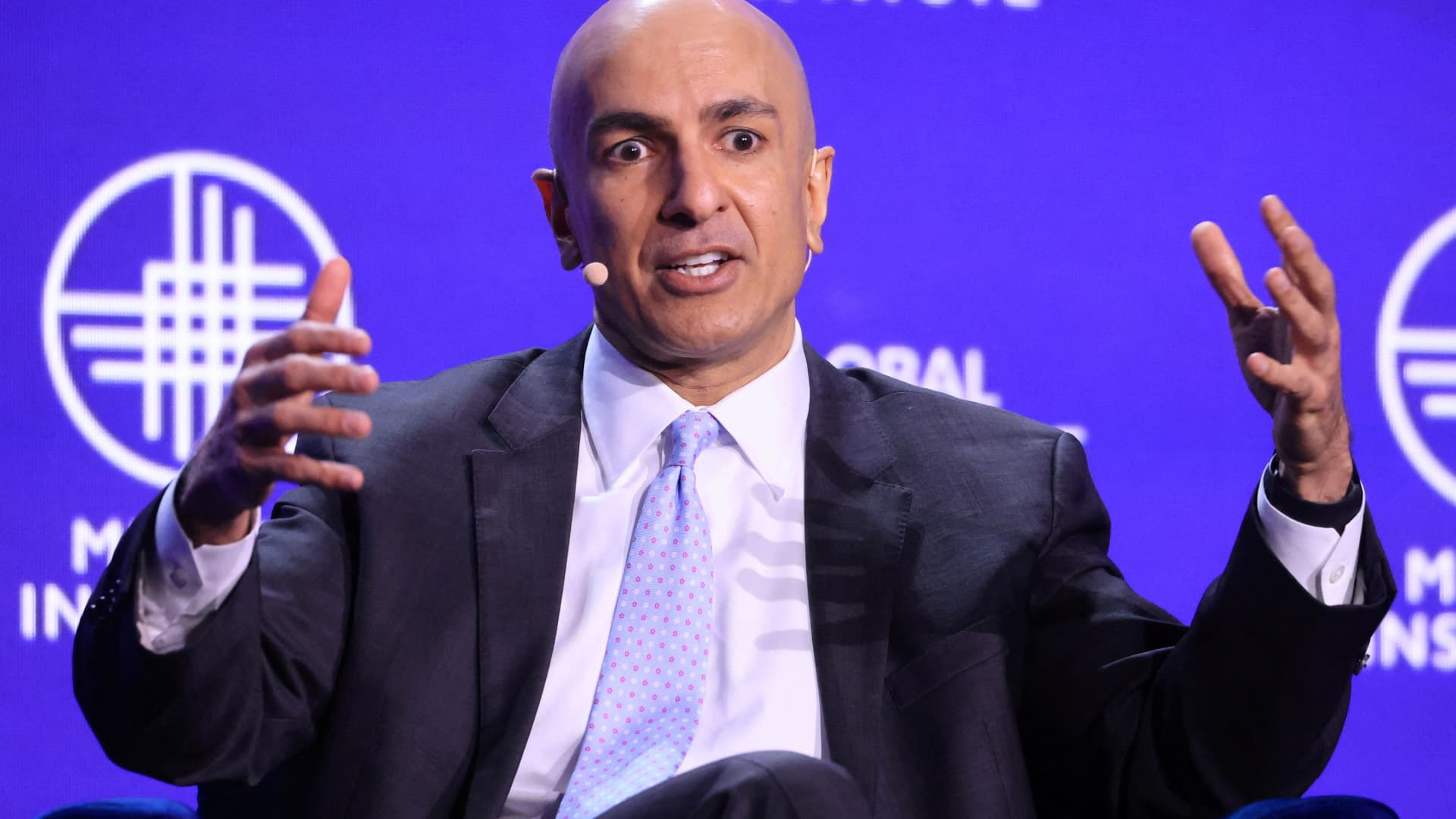
Neel Kashkari says price stability remains the central bank’s primary focus, citing a labour market in decent shape as the backdrop for the current monetary stance.
Traders are betting the Federal Reserve will prioritise inflation credibility over political calls for cheaper borrowing, marking a sharp reversal from expectations held three months ago.
The supercar manufacturer’s launch of its first electric vehicle marks a high-stakes strategic shift, drawing significant and polarised reactions from observers.

Labor plans to separate jobseekers into distinct groups based on skill and readiness, prioritising public delivery in the first stream while retaining private sector involvement for specialised cases.

The company confirmed it will begin testing two subscription plans for its AI offerings, with the entry-level tier priced at $7.99 per month, as part of its broader 'Meta One' framework.

Earnings that exceeded market expectations drove the stock higher, while the new spending deal underscores the industry shift from AI training to daily automation and inference.
London-based publication contends that even without the burden of communism or trade restrictions, the island’s appeal to capital remains limited.